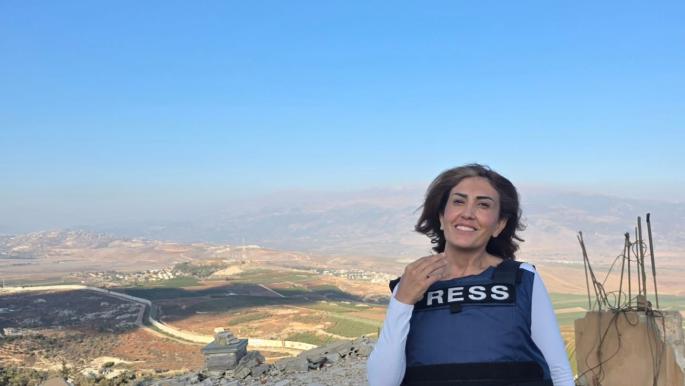
On a sorrowful day marked by the funeral of journalist Amal Khalil, who was killed by Israel during an airstrike on her home, a Lebanese journalist raised a contentious question during a press conference with U.S. President Donald Trump. The question concerned the possibility of halting the criminalization of boycotting Israel, reflecting the escalating tensions surrounding the Palestinian issue.
Amal Khalil, one of the prominent media voices in Lebanon, was tragically killed, prompting widespread reactions from journalists and activists around the world. Her assassination occurs amidst rising violence in the region, where Israeli assaults on Palestinians continue, increasing frustration and anger among Arab populations.
Details of the Event
Hundreds of journalists and citizens gathered for Amal Khalil's funeral, emphasizing the crucial role of journalism in conveying truth and exposing violations. During the ceremony, the dangers faced by journalists in conflict zones were highlighted, as they frequently encounter assaults and threats.
The question posed by the Lebanese journalist to Trump carried deep implications, reflecting current political trends in the United States regarding the Palestinian cause. Trump, who has shown support for Israel on several occasions, did not provide a clear answer, raising further questions about the U.S. administration's stance on Palestinian rights.
Background & Context
Historically, the Palestinian issue has undergone numerous political transformations, with boycotting being one of the tools used by activists to pressure Israel. However, the criminalization of this boycott in some countries, including the United States, has sparked widespread debate about freedom of expression and human rights.
Amal Khalil was not just a journalist; she was a symbol of the struggle for freedom of expression. Her assassination comes at a sensitive time, as violations against journalists in conflict areas are on the rise, necessitating a serious response from the international community to protect those who face risks in the pursuit of truth.
Impact & Consequences
The assassination of Amal Khalil may have far-reaching effects on journalism in the region. Recent events have shown that journalists face increasing threats, which could lead to a decline in press freedom in Arab countries. This raises concerns about the media's ability to fulfill its role in uncovering truths and reporting news independently.
Furthermore, the question raised by the Lebanese journalist reflects a growing dissatisfaction with U.S. policies in the region. This could increase pressure on the U.S. administration to alter its positions regarding the Palestinian issue, especially amid rising calls for justice and human rights.
Regional Significance
The funeral of Amal Khalil highlights the challenges facing journalism in the Arab world. Amid ongoing crises, the role of journalists remains vital in documenting events and conveying truths. However, the risks they face require greater support from the international community to protect freedom of expression.
Ultimately, the question surrounding the criminalization of boycotting Israel remains open and necessitates deeper discussions to understand its implications for Palestinian rights and press freedom in the Arab world.