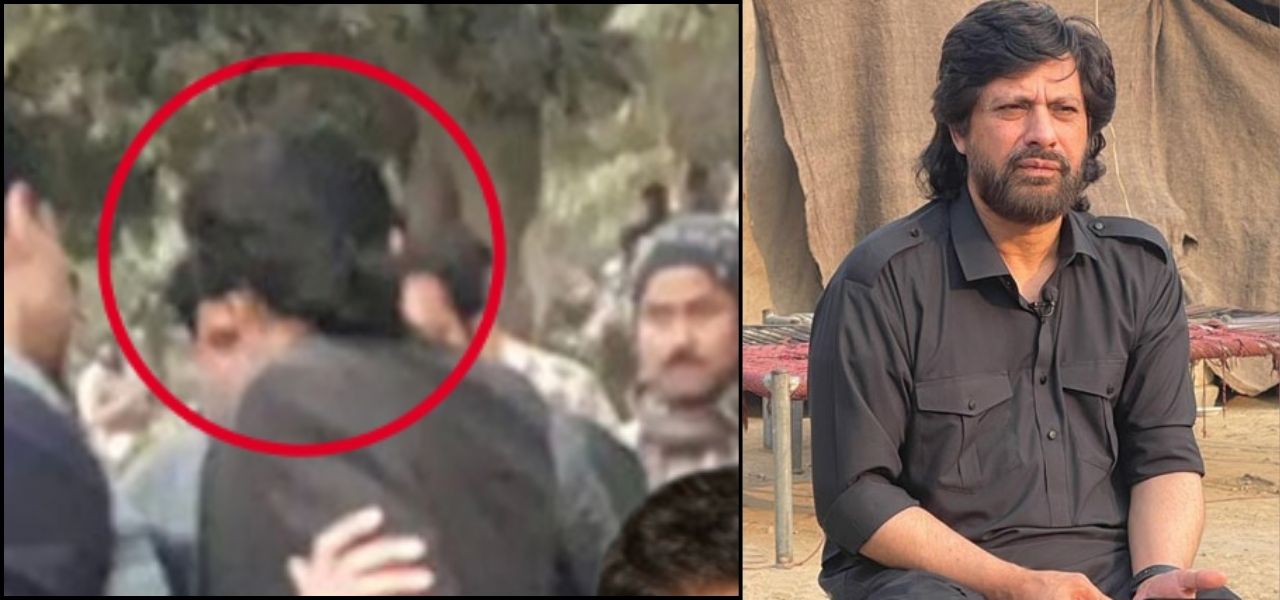
The renowned Lebanese artist Ahmed Qabbour has passed away, sparking a profound wave of sadness among art and culture enthusiasts throughout the Arab world. Social media platforms have been flooded with news of his death, as users and activists expressed their deep sorrow and reminisced about many of his patriotic songs that left a significant mark on the hearts of the public, particularly the song 'Anadikom', which has been echoed by generations since its release decades ago.
Ahmed Qabbour, considered one of the most prominent Lebanese artists, did not limit his influence to the artistic scene alone; his impact extended to national and social issues that he addressed through his works. He was known for his poems and songs that reflect the concerns of the Lebanese and Arab people, making him a symbol of committed art.
Details of the Event
Sources close to the late artist announced his passing, leading to an outpouring of condolences and tributes across social media platforms. Many artists and activists highlighted Qabbour's significant influence in the artistic scene, noting his prominent role in promoting Lebanese and Arab cultural identity through his artistic works.
The public reacted widely to the news of his death, sharing clips of his old songs, which revived beautiful memories of his art. Comments reflected the love and appreciation people held for him, with many considering him a voice that articulated the pains and hopes of the people.
Background & Context
Ahmed Qabbour, born in Lebanon, began his artistic career during a time when the country was experiencing conflicts and crises. Through his art, he managed to express the suffering of the Lebanese people, allowing his songs to transcend Lebanon's borders and reach the hearts of Arab audiences in various countries. His famous song 'Anadikom' became a symbol of nostalgia and nationalism, sung by generations on various occasions.
Over the years, Qabbour faced numerous challenges, yet he remained committed to his artistic message, participating in many cultural and social events aimed at supporting humanitarian causes. He played a vital role in enhancing culture and art in Lebanon, making him a central figure in the artistic landscape.
Impact & Consequences
The death of Ahmed Qabbour represents not only a loss for Lebanese artists but also a loss for Arab art as a whole. Qabbour was a voice that expressed the issues of the nation, and his works served as a mirror to the Arab reality. His passing raises questions about the future of committed art in the Arab world and how this type of art can continue amid current challenges.
Moreover, his death may prompt many artists to reconsider their roles and responsibilities toward society, as art can be a tool for change and expression of social and political issues. Qabbour's influence will remain present in the hearts of his admirers and may inspire a new generation of artists to carry on his message.
Regional Significance
Ahmed Qabbour's influence extends beyond Lebanon, as his works expressed the concerns of the Arab people in general. Amid the crises faced by many Arab countries, his songs remain a voice for suffering and hope. His passing reminds us of the importance of art in uniting peoples and expressing their issues.
The sorrow that envelops the Arab world following Qabbour's death reflects the depth of his impact on souls and demonstrates how art can serve as a bridge for communication between cultures and peoples. His memory will live on in the hearts of his fans, and his songs will continue to be sung by future generations.