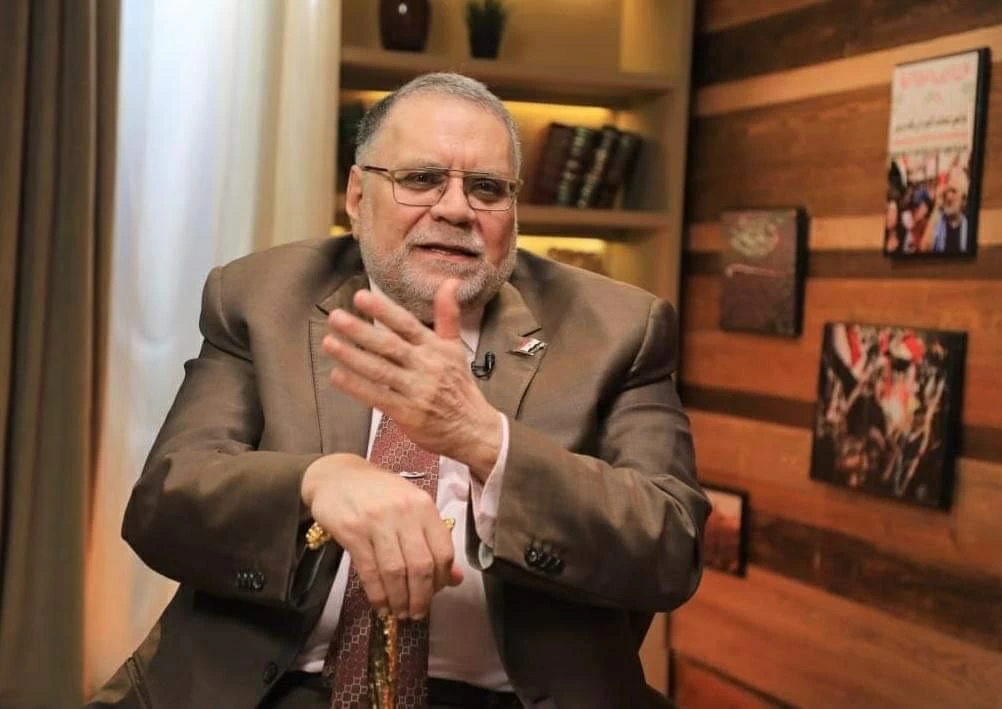
The official page of thinker and researcher Mokhtar Nouh announced his passing on social media platform Facebook, marking the end of a long journey filled with public work and intellectual contributions. The funeral prayer is scheduled for today (Wednesday) after the Asr prayer at Mustafa Mahmoud Mosque, where his body will be laid to rest in the family cemetery in 6th of October City.
Mokhtar Nouh is considered one of the most prominent figures to have split from the Muslim Brotherhood, having been one of its leaders before announcing his separation. Following this, Nouh became a significant critic of the organization, highlighting what he perceived as deviations within its structure through his writings and media statements. He played a notable role in clarifying many issues related to extremism and terrorism, drawing on his personal experience within the group.
Event Details
Mokhtar Nouh passed away after leaving a clear mark on the intellectual and political landscape. He was known for his bold stances and critical views that sparked widespread debate. He participated in numerous public discussions on issues of extremism, providing firsthand accounts from his experience within the organization, revealing its methods and organizational mechanisms. He also contributed to raising awareness about the dangers of extremist thought.
It is noteworthy that Nouh had defected from the group early in his life, which led him to adopt a critical perspective towards its policies and ideas. He had a significant influence on many young people searching for intellectual and political alternatives.
Background & Context
The Muslim Brotherhood was founded in 1928, and since then, it has played an important role in the political and social life of Egypt. Over time, the group has splintered into several factions, leading to the emergence of figures like Mokhtar Nouh, who chose to pursue a path of critique and analysis. Nouh was among the few who managed to step out from the group's shadow, becoming a dissenting voice that highlights the challenges facing Arab societies.
In recent years, the group has faced numerous crises, resulting in a decline in its popularity. Nouh contributed to these discussions by offering new and different perspectives, making him a pivotal figure in the intellectual arena.
Impact & Consequences
The death of Mokhtar Nouh is considered a significant loss for the intellectual and political scene in Egypt. He had a clear impact on many thinkers and researchers striving to understand the challenges facing Arab societies. His departure opens the floor for continued dialogue on issues of extremism and terrorism, and how to confront extremist ideologies.
His death is expected to provoke widespread reactions in intellectual and political circles, as he will be seen as a symbol of intellectual opposition. His influence will remain present in future discussions about the future of Islamic groups in the region.
Regional Significance
The passing of Mokhtar Nouh is an important event not only in Egypt but across the entire Arab region. The critical voice he represented may pave the way for further discussions about the role of Islamic groups in Arab societies. His departure may encourage others to express their opinions freely, potentially leading to changes in the intellectual and political landscape.
In conclusion, Mokhtar Nouh remains a symbol of the quest for truth and justice, and his influence will linger in the minds of many. His death calls us all to reflect on the importance of dialogue and critique in building more aware and progressive societies.