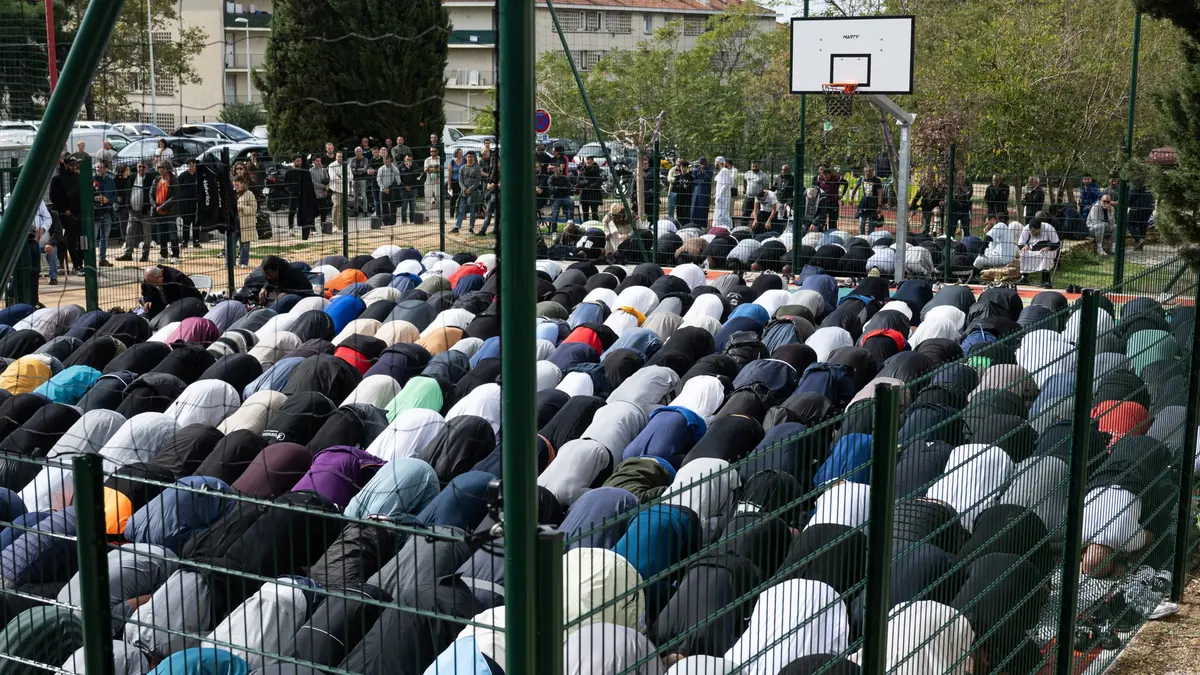
Muslim families in Tours, France, are facing an increasing humanitarian crisis as they are forced to wait for extended periods, sometimes up to several weeks, to bury their deceased. This crisis stems from a severe shortage of designated burial spaces for Muslims, which occasionally requires them to travel distances of up to 250 kilometers.
The case of Yasmina exemplifies the suffering of many families. She waited 29 days to bury her father, who passed away in December 2025. After navigating a series of complex administrative procedures, Yasmina was unable to find a burial spot for her father in her city, compelling her to seek a distant cemetery.
Details of the Situation
Waiting times in Tours are increasing, with reports indicating that the average waiting period for burial reaches two weeks, while some cases extend beyond three weeks. This issue is not unique to Tours; it extends to several other French cities facing similar shortages of Islamic burial plots.
The crisis has been exacerbated since the COVID-19 pandemic, which prevented many families from repatriating the remains of their loved ones to their home countries. Additionally, the new generations of Muslims in France, who have grown up in the country, prefer local burials to remain close to their families, further intensifying the pressure on available spaces.
Background & Context
Despite warnings issued by the French Council of the Muslim Faith since 2020, local authorities have not responded to the increasing demand for Islamic burial plots. This is partly due to bureaucracy and political considerations, as the establishment of these spaces depends on the decisions of mayors, whose responses vary according to their political orientations.
In Tours, authorities are considering temporary solutions, such as utilizing new land or establishing a large cemetery, but the implementation of these solutions may take years. This crisis transcends religious dimensions to become a matter of human dignity, as families struggle to bid farewell to their deceased in appropriate conditions.
Impact & Consequences
This crisis significantly affects the Muslim community in France, which views this issue as a matter of dignity and citizenship. The increasing pressure on local authorities necessitates an urgent response, as respecting burial rites is a fundamental right for citizens.
Local associations believe that this issue requires immediate attention, as the inability to bury the dead properly reflects a failure of the system to provide citizens' rights. If not addressed swiftly and effectively, this crisis could exacerbate social tensions.
Regional Significance
This issue highlights the challenges faced by Muslims in Western countries, reflecting the urgent need to improve living and dying conditions with dignity. Additionally, this crisis may impact France's image in the Arab world, where respect for minority rights is viewed as part of societal values.
In conclusion, French authorities must take this issue seriously and work to provide the necessary spaces for Muslims to ensure their right to bury their deceased with dignity, free from political and seasonal pressures.