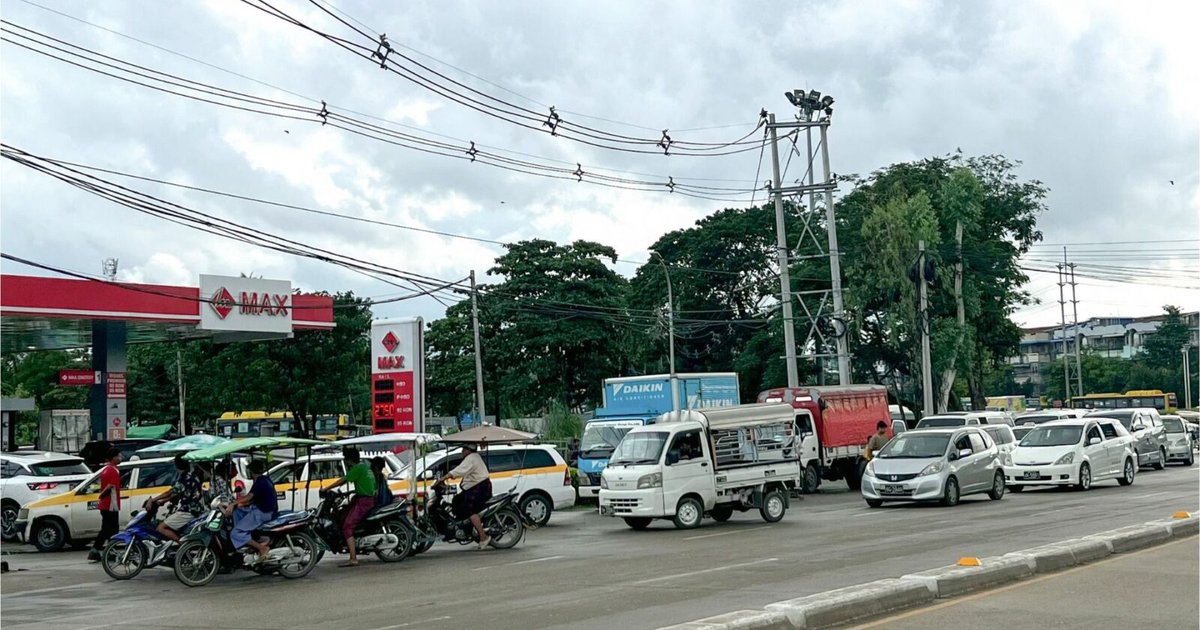
Myanmar's Ministry of Finance and Revenue has announced a temporary tax exemption on imports of high-speed diesel (HSD) aimed at stabilizing local prices for essential goods. This decision will take effect from April 1 to April 30 and comes at a time when the country is facing rising global fuel prices, which have impacted the local market.
The tax exemption covers all imports of high-speed diesel (HSD 500 ppm) for which customs clearance documents have been submitted within the specified period. This measure aims to alleviate the financial burdens on consumers, especially given the challenging economic conditions the country is experiencing.
Details of the Tax Exemption
The tax exemption policy includes the elimination of customs duties, special taxes, commercial taxes, and a 2% income tax on diesel imports. High-speed diesel is considered one of the primary energy sources used in transportation and shipping, making this decision crucial for improving trade flow and easing price pressures.
This step comes at a time when demand for fuel in Myanmar is increasing, as the government seeks to achieve stability in the local market. A report published by the "The Global New Light of Myanmar" indicated that this measure could significantly reduce prices, benefiting consumers.
Background & Context
Historically, Myanmar has experienced significant fluctuations in fuel prices due to global crises and regional conflicts. Ongoing conflicts in the Middle East have led to rising oil prices, which have directly affected local prices in Myanmar. In recent years, the government has been trying to find effective solutions to address these challenges, including offering tax exemptions.
This initiative is part of a broader strategy aimed at boosting the local economy and improving the living standards of citizens. These measures coincide with the government's efforts to enhance political and economic stability in the country.
Impact & Consequences
The tax exemption is expected to relieve economic pressures on citizens, especially amid rising living costs. Additionally, this decision may encourage increased investments in the transportation and shipping sector, contributing to economic growth.
However, the biggest challenge remains how to maintain price stability after the exemption period ends. The government must closely monitor the market to ensure that unjustified price increases do not occur after this period.
Regional Significance
This move in Myanmar serves as a model for Arab countries facing similar challenges in energy markets. With global oil prices rising, Arab nations may need to consider similar strategies to ensure local fuel price stability.
Furthermore, cooperation between Arab countries and Myanmar in energy and trade sectors could contribute to enhancing economic stability in the region, benefiting all parties involved.