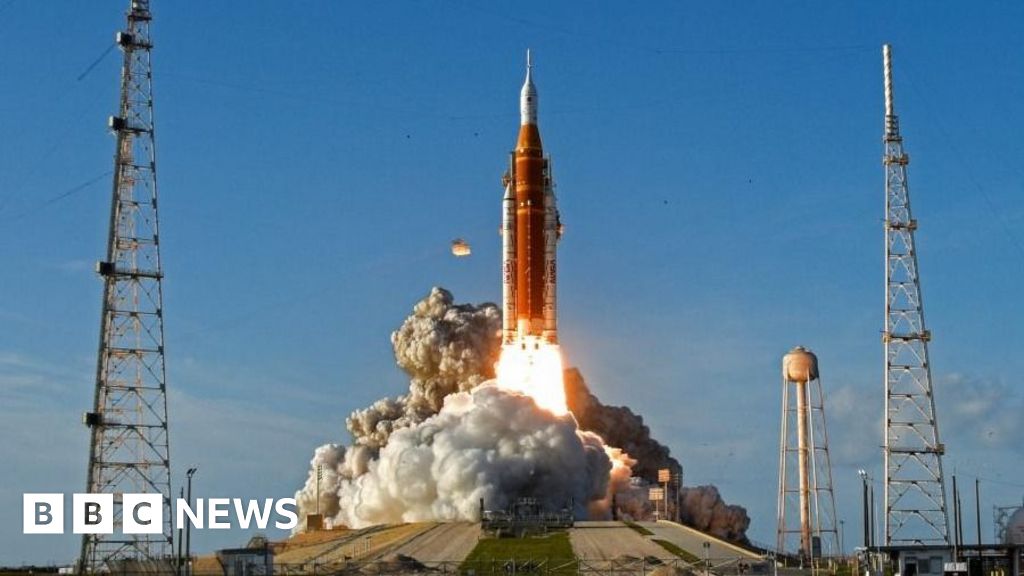
NASA, the United States space agency, has announced that the crew of the Artemis II mission, which represents the next phase in the lunar exploration program, will not land on the moon's surface during this mission. This step is part of NASA's ongoing preparations, aiming for a human landing on the moon by 2028.
The Artemis II mission is considered part of NASA's efforts to restore human exploration of the moon after decades of hiatus. This mission is set to include sending astronauts on a journey around the moon, paving the way for future missions aimed at landing on its surface.
Details of the Mission
Through the Artemis program, NASA seeks to return humans to the moon, with the last human landing occurring in 1972. Although the current mission will not involve a landing, it represents an important step towards achieving NASA's ambitious goals in space exploration.
The Artemis II mission will feature a crew of four astronauts who will embark on a journey around the moon aboard an advanced spacecraft. This mission aims to test new systems and advanced technologies that will be essential for a successful landing in the future.
Background & Context
After decades of decline in human spaceflight programs, the United States has refocused its efforts on lunar exploration. The Artemis program is part of a broader vision aimed at enhancing American space capabilities and expanding human exploration to Mars and beyond.
Historically, the United States has been a leader in space exploration, sending the first human to the moon in 1969. However, technological and funding challenges have delayed many ambitious projects. Now, there appears to be a renewed desire to reclaim this leadership.
Impact & Consequences
The Artemis II mission is a critical step in enhancing international cooperation in space. These efforts are expected to encourage other nations to participate in space exploration programs, fostering scientific and technological collaboration.
Moreover, the success of the Artemis program could open doors for new investments in the space sector, boosting innovation and creating new job opportunities in this growing field.
Regional Significance
As Arab nations focus on developing their space programs, NASA's experience with the Artemis program can serve as inspiration. Many Arab countries, such as the United Arab Emirates, are seeking to enhance their capabilities in space, reflecting a growing interest in technology and innovation.
These developments could contribute to strengthening cooperation between Arab nations and global space agencies, opening new avenues for collaboration in science and technology.
In conclusion, the Artemis II mission represents an important step towards restoring American leadership in space exploration while opening up new opportunities for international cooperation and the development of space capabilities in the Arab region.