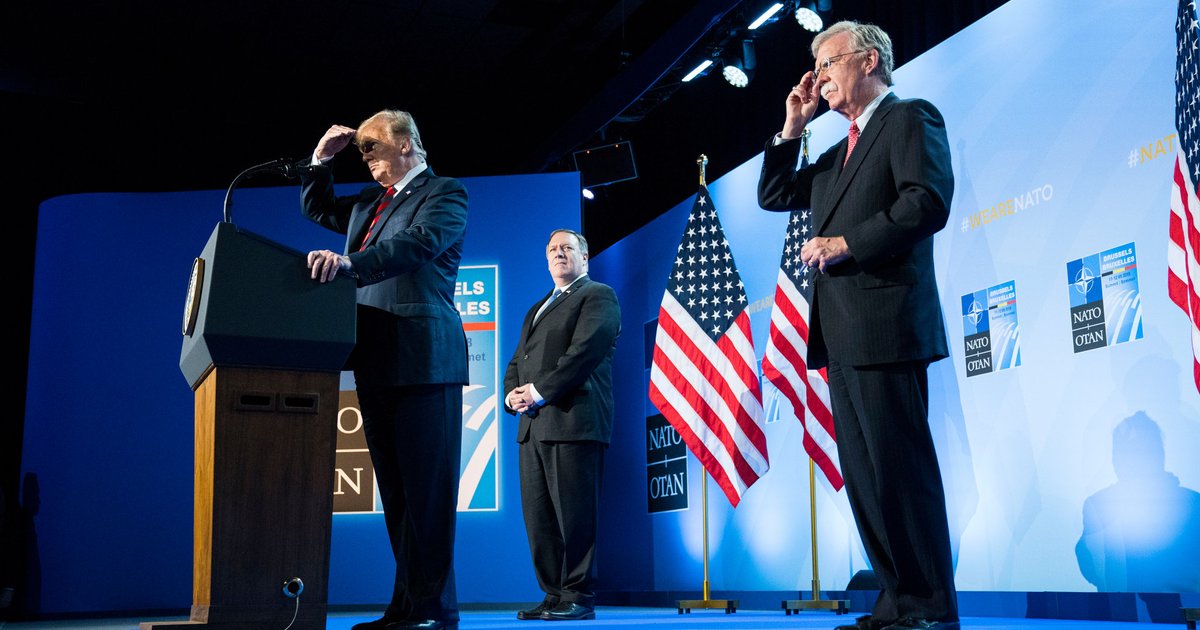
NATO Secretary General Jens Stoltenberg is preparing for a visit to the U.S. capital, Washington, next week, at a time when the alliance faces threats from U.S. President Donald Trump regarding a potential exit. This visit is part of NATO's efforts to strengthen cooperation among member states, especially in light of the increasing security challenges facing the region.
Stoltenberg's visit comes at a sensitive time, as Trump expresses his dissatisfaction with the commitments of some NATO member states towards defense budgets. Trump has stated on several occasions that the United States bears a significant burden in funding NATO, raising questions about the future of the alliance if this trend continues.
Event Details
Stoltenberg is expected to meet with senior U.S. officials, including the Secretary of Defense and the Secretary of State, to discuss global security issues, including threats from Russia and China. Topics related to humanitarian and security crisis responses in various conflict regions will also be addressed.
This visit presents an opportunity for the NATO Chief to reaffirm the importance of the alliance in facing security challenges and to reiterate member states' commitment to enhancing defense cooperation. Stoltenberg aims to reassure member states that NATO will remain an effective force in addressing global threats.
Background & Context
NATO was established in 1949 as a military alliance aimed at ensuring the collective security of its member states. The alliance has faced numerous challenges over the years, including the Cold War, the War on Terror, and most recently, tensions with Russia. In recent years, pressures on NATO have increased with the rise of threats from countries such as Russia and China, making enhanced cooperation among member states essential.
In recent years, calls have emerged from some member states to increase defense spending, as many European leaders believe that the United States cannot bear the burden alone. Trump has pointed out that many member states are not meeting their financial commitments, which increases pressure on the alliance.
Impact & Consequences
If Trump continues his threats to withdraw from NATO, it could destabilize the alliance, creating a security vacuum in Europe. This may lead to increased tensions among member states, making them more vulnerable to external threats. It could also prompt a reevaluation of defense strategies among member states, potentially impacting regional and international security.
Should the United States withdraw from NATO, European countries may seek to enhance military cooperation among themselves, potentially leading to the formation of new alliances. This could alter the balance of power in the region and increase tensions with countries like Russia.
Regional Significance
The relationships between the United States and Arab countries are of great importance, as the U.S. plays a key role in politics and security in the region. Any change in the U.S. stance towards NATO could affect its strategies in the Middle East, particularly regarding counter-terrorism and security cooperation.
Furthermore, any decline in U.S. commitment to NATO could encourage some countries in the region to enhance their military capabilities independently, potentially leading to further tensions and conflicts. Thus, the future of NATO and its impact on global security remain vital issues for Arab countries.