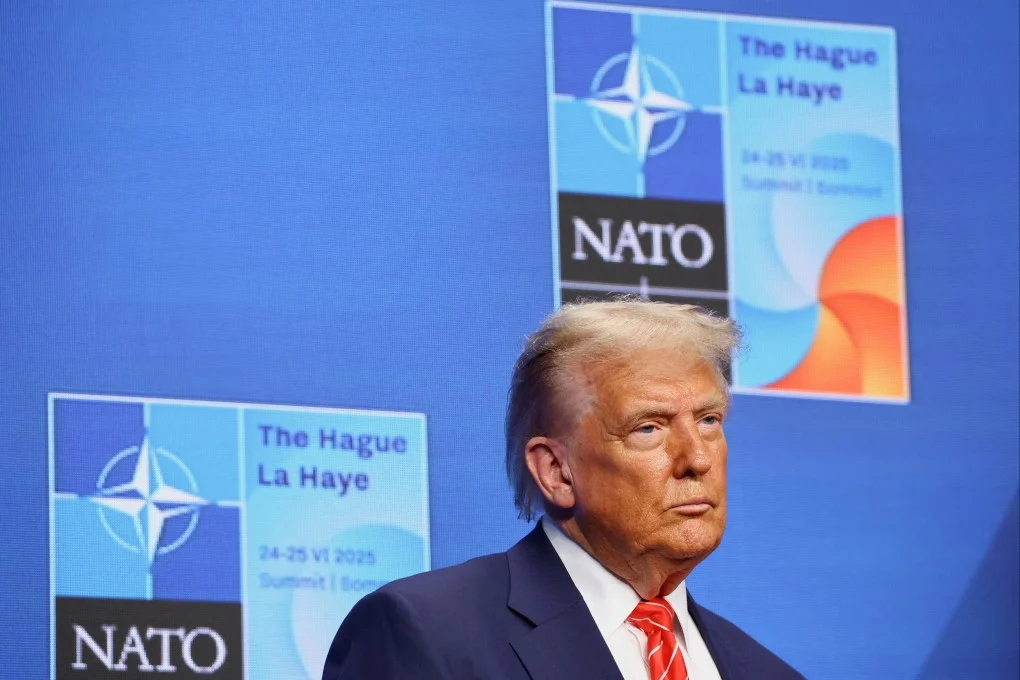
NATO is contemplating the end of its annual summits to prevent potential confrontations with U.S. President Donald Trump in his final year in office. This decision follows repeated criticisms from the Trump administration regarding insufficient support from alliance members for U.S. military operations.
Multiple sources have reported to Reuters that this move aims to avoid any escalation of tensions between the United States and its allies, as Trump has previously expressed dissatisfaction with certain member states for not meeting required defense spending commitments.
Details of the Situation
The frequency of NATO's annual summits has varied since the alliance's establishment in 1949, with some periods seeing them held intermittently. However, recent years have witnessed an increase in the number of these summits, which are seen as opportunities to reaffirm solidarity among member states and discuss global security issues.
As the U.S. elections approach, it appears that the Trump administration is seeking to minimize the chances of any escalation in relations with allies, particularly in light of criticisms directed at some countries for not providing adequate support for U.S. military operations in the Middle East, including actions against Iran.
Background & Context
Since Trump took office in 2017, relations between the United States and its NATO allies have experienced unprecedented tensions. Trump has repeatedly criticized member states, pointing out that many fail to meet their financial commitments. This has raised significant concerns among European nations that rely on U.S. protection.
Historically, NATO has been regarded as a cornerstone of European security, contributing to enhanced military cooperation among member states. However, with increasing political and economic pressures, it has become essential to reassess the alliance's strategies to ensure its continued effectiveness.
Impact & Consequences
Ending the annual summits could have far-reaching effects on NATO's unity. It may lead to a weakening of ties between member states, undermining the alliance's ability to address global security challenges. Additionally, this decision might be perceived as a sign of weakness from the United States, potentially encouraging some countries to adopt more independent stances.
Moreover, this decision could impact relations between the United States and European nations, as some countries may feel inadequately supported in facing rising security threats, such as those posed by Russia or terrorist groups.
Regional Significance
Considering the situation in the Arab region, any decline in NATO's strength could affect regional stability. Many Arab countries rely on military and political support from the United States and NATO to confront security challenges. Therefore, any changes in NATO's policies could influence defense and security strategies in the region.
In conclusion, NATO's decision to end annual summits reflects the increasing challenges facing the alliance under the Trump administration. As the U.S. elections draw near, it will be crucial to monitor how relations between the United States and its NATO allies evolve.