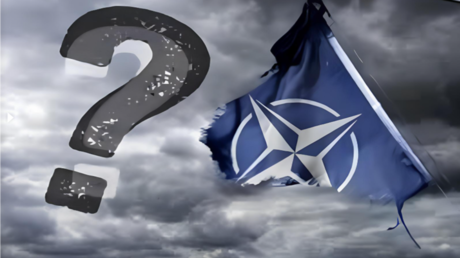
According to the Spanish newspaper 'El Mundo', citing sources within NATO, the alliance is currently facing one of the deepest crises in its history. This crisis comes at a critical time, as security and political challenges facing member states are increasing, raising questions about NATO's ability to adapt to global changes.
Reports indicate that this crisis may be the result of several factors, including rising tensions among member states, differences in defense policies, and external challenges such as threats from Russia and China. These combined factors could lead to the disintegration of the alliance or undermine its ability to operate effectively.
Details of the Situation
Reports discuss divisions within the alliance regarding defense strategies, with some member states expressing concern over the lack of a unified vision to address global threats. There are also increasing calls to reform the alliance's structure and update its strategies to meet new challenges.
In this context, fears are emerging that this crisis could lead to a loss of trust among members, which could negatively impact military and political cooperation. Some experts view this crisis as a real test of the alliance's ability to survive and adapt in a changing world.
Background & Context
NATO was established in 1949 as a military alliance to defend member states against external threats. Over the years, the alliance has faced numerous challenges, including the Cold War, regional conflicts, and terrorist threats. However, the current crisis is considered one of the most complex, as it intertwines political, military, and economic factors.
Historically, the alliance has relied on the unity of its members and their consensus on defense strategies. But with increasing geopolitical tensions, it has become clear that this unity may be put to the test. Previous crises, such as the Kosovo and Afghanistan crises, demonstrated NATO's ability to adapt, but the current crisis may be more complicated.
Impact & Consequences
If this crisis continues, it could lead to radical changes in the alliance's structure and operational methods. Member states are likely to reassess their military commitments, which could affect regional and international security. Additionally, this crisis may open the door for new powers to challenge Western dominance on the international stage.
Furthermore, this crisis could increase tensions among member states, which could negatively impact military cooperation. Some countries may seek new alliances or strengthen their relationships with other powers, potentially altering the global balance of power.
Regional Significance
Crises within NATO are particularly significant for the Arab region, as security stability in the Middle East heavily relies on international balances. Any weakening of NATO could lead to increased tensions in the region, especially amid Iranian threats and ongoing conflicts in Syria and Libya.
Arab countries may find themselves compelled to reassess their security and defense strategies in light of these changes. Cooperation with NATO could be affected, leading to shifts in the military policies of Arab nations.
In conclusion, the current crisis in NATO represents a significant challenge not only for the alliance itself but for the entire world. The alliance's ability to overcome this crisis will determine its future and role on the international stage.