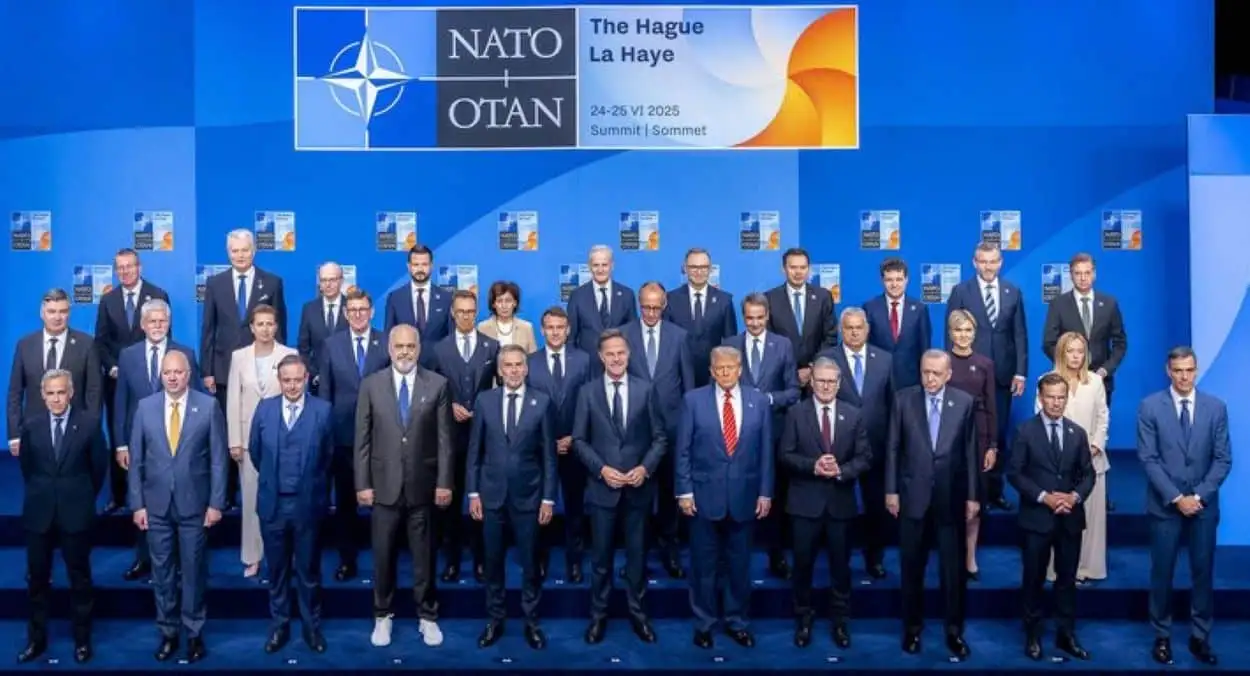
NATO has announced that European countries and Canada will increase their defense budgets by 20% by 2025. This step is part of the alliance's efforts to strengthen its military capabilities in response to increasing security challenges, particularly in light of the geopolitical crises affecting the region.
This increase in defense budgets is part of NATO's strategy to enhance military cooperation among member states and provide the necessary support to address potential threats. The NATO Secretary General indicated that this increase reflects the commitment of member states to the alliance's security and their readiness to face any future challenges.
Details of the Announcement
The increase in defense budgets will involve investments in various areas, including military technology, modernization of equipment, and enhancement of logistical capabilities. This increase will also contribute to improving the readiness of the armed forces of member states, thereby enhancing NATO's ability to respond swiftly to any potential threats.
This step comes at a time when the world is witnessing a rise in military tensions, particularly due to the strained relations between Russia and the West, prompting many countries to reassess their defense strategies. Reports have indicated that several European nations have already begun to increase their defense spending in recent years in response to these challenges.
Background & Context
NATO was established in 1949 as a military alliance aimed at enhancing collective security among member states. Over time, NATO has faced numerous challenges, from the Cold War to current regional conflicts. Recent events, such as the conflict in Ukraine, have prompted member states to rethink their defense strategies.
In recent years, many European countries have experienced a notable increase in their defense budgets, with the percentage allocated for defense exceeding 2% of GDP, a target set at the NATO summit in Warsaw in 2016.
Impact & Consequences
This increase in defense budgets is expected to enhance cooperation among NATO member states, contributing to improved military coordination and information sharing. This step will also help strengthen NATO's ability to address increasing threats, whether conventional or unconventional.
Moreover, this increase may lead to heightened tensions with non-member states, particularly Russia, which may perceive this as a threat to its national security. Consequently, these new dynamics may require NATO to adopt effective diplomatic strategies to avoid military escalation.
Regional Significance
Although these developments pertain to European defense, they have indirect implications for the Arab region. Increased military spending in Europe may affect the balance of power in the region, especially amid ongoing tensions in the Middle East.
Furthermore, the enhancement of military capabilities among European countries may lead to increased military support for Arab states, contributing to regional security. However, these steps should be accompanied by diplomatic efforts to achieve stability in the region.
In conclusion, the increase in European and Canadian defense budgets reflects the commitment of NATO member states to their security and their readiness to face future challenges. These dynamics are expected to continue influencing international relations and regional security in the coming years.