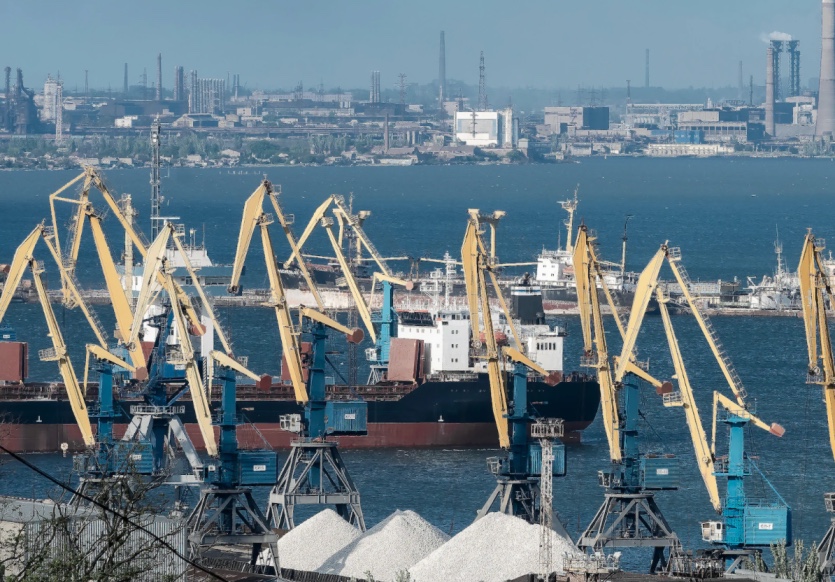
A historic event unfolded as a tanker carrying liquefied natural gas departed from the Arabian Gulf for the first time since the closure of the Strait of Hormuz. This development comes at a sensitive time marked by rising global energy tensions.
The tanker that left the Gulf represents a significant step in resuming maritime trade, especially given the tense conditions that have recently affected the strait. The Strait of Hormuz is considered one of the world's most important waterways, through which approximately 20% of global oil supplies pass.
Details of the Event
This step is a landmark in the resumption of commercial activity in the region, as there were concerns about the impact of the strait's closure on gas and oil supplies. The tanker that departed the Gulf, loaded with a shipment of liquefied natural gas, symbolizes a new beginning in trade relations between Gulf countries and global markets.
This move follows a series of political and military events that have plagued the region, leading to the prolonged closure of the Strait of Hormuz. The tanker, whose name has not been disclosed, is part of efforts to ensure the continuity of supplies under the current circumstances.
Background & Context
The Strait of Hormuz is a vital transit point for oil and natural gas and has been experiencing ongoing tensions due to regional conflicts. In recent years, tensions between Iran and Western countries have intensified, affecting trade flows in the area. The closure of the strait had negative impacts on oil and gas prices, prompting producing countries to seek alternative ways to secure their supplies.
These developments are part of Gulf countries' attempts to enhance their role in the global energy market, especially amid significant shifts in the sector due to the transition to renewable energy sources. The departure of the tanker represents a step towards restoring confidence in the region's ability to secure energy supplies.
Impact & Consequences
The impact of the tanker leaving the Gulf will have wide-ranging implications for global energy markets. This development is expected to lead to price stabilization after a period of volatility. Additionally, the resumption of trade through the Strait of Hormuz may enhance the ability of producing countries to meet global market demands.
Moreover, this event may encourage other countries to resume their commercial activities in the region, contributing to the strengthening of the regional economy. At the same time, ongoing political tensions in the area remain a concern and may affect the sustainability of these trade movements.
Regional Significance
This step is significant for the Arab region as a whole, reflecting the Gulf countries' ability to face security and political challenges. The resumption of trade through the Strait of Hormuz may enhance the status of Arab countries as key players in the global energy market.
In conclusion, the departure of the tanker loaded with liquefied natural gas from the Gulf represents a positive step towards restoring stability in the region. However, the biggest challenge remains how to maintain this stability amid fluctuating political conditions.