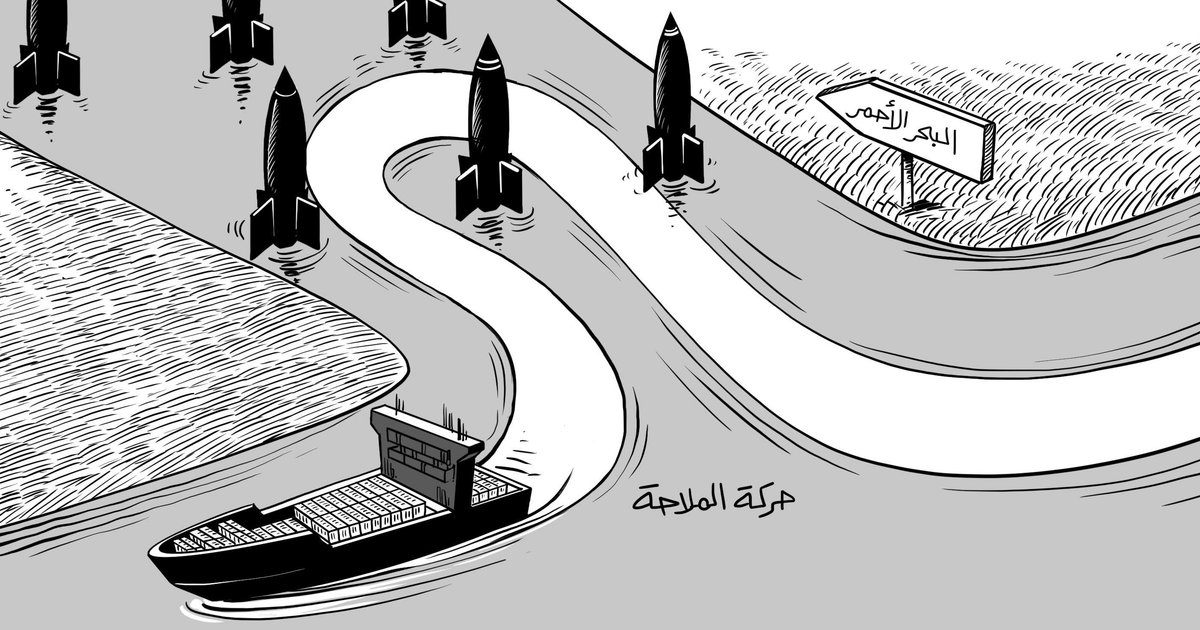
The navigation in the Strait of Hormuz is heading towards a state of severe disruption, as recent weeks have seen a significant decline in the number of passing vessels, placing this crisis in a critical phase. Currently, only a few ships associated with Iran have been reported to cross the strait, but overall, we are at the fourth week of an effective closure of the strait, indicating growing concern among companies and truckers in the region.
The Strait of Hormuz, considered one of the most important waterways in the world, has transformed from merely a route connecting commercial interests into a battleground for geopolitical friction among international powers. This strait serves as a main entry point for oil trade, with about 20% of the world's total oil flowing through it, making any disruption significant to the global economy.
The historical context of the current crisis traces back to rising tensions between Iran and the West, especially following the re-imposition of U.S. sanctions on Tehran. Recent years have witnessed repeated incidents in this strait, including ship seizures and military threats, escalating fears of an intensifying conflict.
The potential implications of this disruption could negatively impact global oil markets. As fears of supply shortages increase, oil prices may rise, affecting oil-importing countries, including Arab nations. Additionally, this situation may alter trade patterns, as some countries might seek alternative routes to transport their shipments.
The region will not only be affected economically, but the implications also extend to political aspects. Neighboring Arab states, such as Oman and the United Arab Emirates, are susceptible to the fallout from any potential military escalation. The Gulf Cooperation Council countries, heavily reliant on oil exports, will have to adjust their economic policies if the situation persists.
Amid these circumstances, Arab countries need to seek strategies that go beyond reliance on the strait, diversifying their income sources and expanding their economic partnerships with new nations. Meanwhile, the international community is monitoring the situation and taking steps to mitigate escalation. Such actions may require cooperation among concerned countries to put an end to friction and enhance security in the region.
In conclusion, the navigation index in the Strait of Hormuz is of paramount importance not only for the region but for the entire world. Stability in this strait is a vital component for a world that increasingly relies on oil. If the situation continues as it is, it could lead to severe consequences for the energy industry, possibly altering international balances.