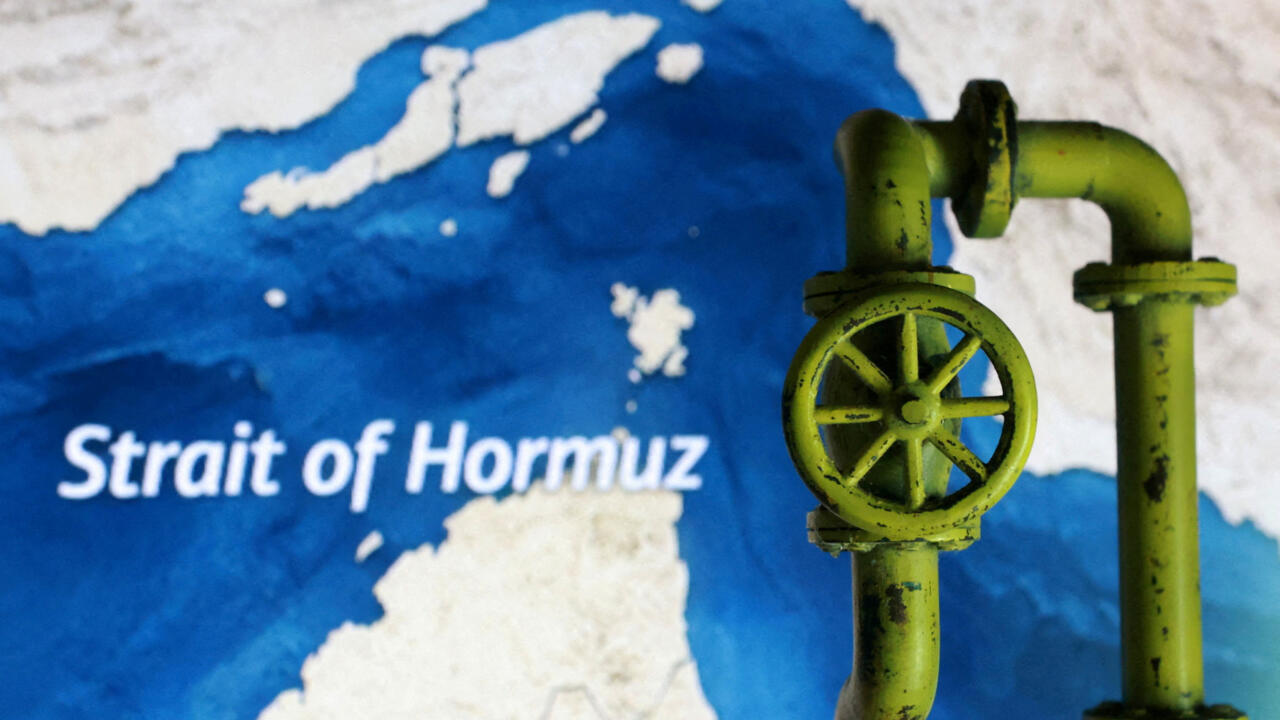
The issue of navigation in the Strait of Hormuz has become a focal point for leaders in the region and around the world after the announcement of a ceasefire between Iran and the United States. This strait is a vital artery through which approximately 20% of global energy supplies flow, making it a key topic in the anticipated negotiations between the two parties.
In this context, British Prime Minister Keir Starmer announced that he will head to the Gulf next Wednesday to meet with regional leaders in an effort to bolster the ceasefire and transform it into a permanent agreement. He emphasized the importance of cooperating with partners to support this agreement and reopen the Strait of Hormuz.
Details of the Ceasefire Agreement
On another note, U.S. President Donald Trump stated that the United States will work to end the disruptions in navigation within the Strait of Hormuz, just hours after the ceasefire agreement was reached. The Saudi Foreign Ministry underscored the necessity of keeping the strait open for navigation, while French President Emmanuel Macron highlighted the significance of Iran's announcement regarding its intention to open the strait.
Eyes are now on the upcoming negotiations in Islamabad, where the Strait of Hormuz is expected to be a hot topic on the discussion table. A senior official told Reuters that any permanent peace agreement must allow Iran to impose fees on passing ships, which may vary depending on the type of vessel and its cargo.
Background & Context
It is noteworthy that the Iranian Revolutionary Guard had announced the completion of preparations to impose fees on navigation in the strait, reflecting the importance of this issue in international relations.
Impact & Consequences
If a permanent agreement is reached, it could lead to stability in navigation within the Strait of Hormuz, positively impacting global energy markets and enhancing regional security.
Regional Significance
The freedom of navigation in the Strait of Hormuz is crucial for global economic security, as a significant portion of energy supplies passes through it. This situation not only affects oil prices but also has broader implications for international trade and regional stability.
In conclusion, the ongoing discussions and negotiations surrounding the Strait of Hormuz will play a significant role in shaping the future of maritime navigation in this strategic region, with potential benefits for global energy security and regional peace.