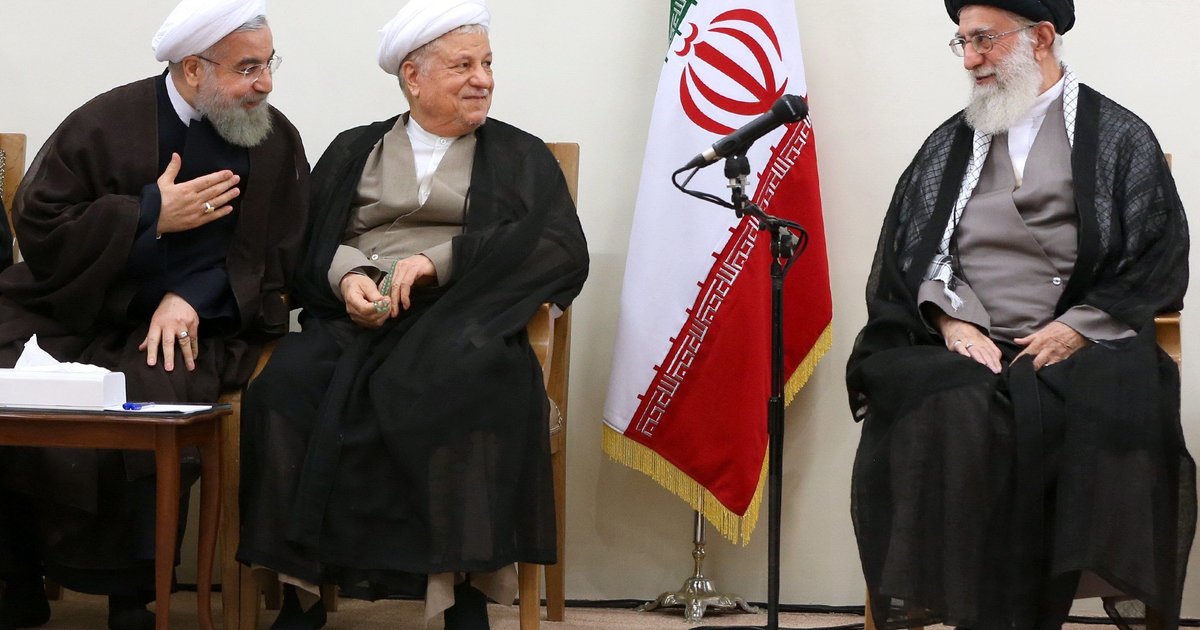
Informed sources have reported that Mojtaba Khamenei, the son of the Supreme Leader of the Islamic Republic of Iran, has played a prominent role in securing a new deal that could significantly impact Iran's future on the international stage. The deal comes at a time when the country is facing substantial economic and political challenges, making it a strategic step towards improving relations with major powers.
Through this deal, Iran aims to alleviate the sanctions imposed on it, which could contribute to improving its deteriorating economic situation. Recent negotiations have shown that Iran is willing to make concessions in certain areas in exchange for tangible economic benefits.
Details of the Agreement
The new deal includes a set of provisions aimed at enhancing cooperation between Iran and major countries, including the United States and Europe. These agreements were reached after multiple rounds of negotiations that lasted several months, focusing on nuclear and economic issues.
Reports indicate that Mojtaba Khamenei, considered one of the prominent figures in the Iranian system, has played a crucial role in steering the negotiations towards achieving Iran's strategic objectives. Khamenei has shown strong support for diplomatic efforts, reflecting a shift in Iranian policy towards openness to the outside world.
Background & Context
Historically, Iran has suffered from international isolation due to its nuclear policies and support for armed groups in the region. However, recent geopolitical changes, including tensions among major powers, have created an opportunity for Iran to reassess its strategies. The new deal comes in the context of Iran's attempts to strengthen its position in the region and improve its relations with Western countries.
In recent years, Iran has witnessed internal protests due to deteriorating economic conditions, prompting the government to seek diplomatic solutions. This deal may represent a new beginning for Iran in its pursuit of internal and external stability.
Impact & Consequences
The new deal is expected to significantly affect Iran's international relations. If the negotiations succeed, it could lead to the easing of economic sanctions, contributing to the improvement of the deteriorating economic situation. This move may also strengthen Iran's position in future negotiations with major powers.
Moreover, this deal could alter regional dynamics, potentially reshaping alliances in the Middle East. Improved relations between Iran and Western countries may help reduce tensions in the region, benefiting all parties involved.
Regional Significance
For Arab countries, these developments carry significant importance. The new deal could lead to a shift in the balance of power in the region, prompting Arab nations to reassess their strategies. If Iran succeeds in improving its relations with the West, this may influence its policies towards Arab countries, especially those experiencing tensions with Tehran.
Ultimately, the new deal represents an opportunity for Iran to rebuild its international relations, but it also carries significant challenges. Arab countries must closely monitor these developments, as they may directly impact security and stability in the region.