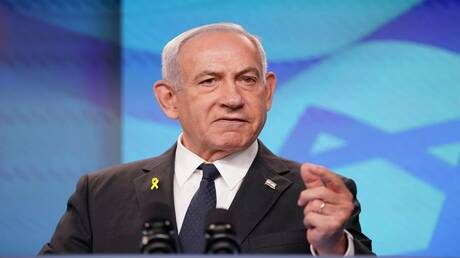
Israeli Prime Minister Benjamin Netanyahu stated that the military confrontation against Iran "is not over yet," stressing the importance of removing high-enriched uranium stockpiles from Iranian territory and dismantling all nuclear facilities in Tehran. These remarks come at a time when tensions between Israel and Iran are escalating, as Tel Aviv considers the Iranian nuclear program an existential threat.
Netanyahu, speaking at a press conference, pointed out that the security challenges facing Israel require a strong and decisive response. He affirmed that the Israeli government will continue to work on preventing Iran from developing its nuclear capabilities, which are believed to be aimed at producing nuclear weapons.
Details of the Event
In recent years, relations between Israel and Iran have witnessed increasing tension, with Israel carrying out several military operations against Iranian targets in Syria, in addition to targeting Iranian facilities in Iraq. These operations have intensified the conflict in the region, prompting Iran to bolster its military defenses.
Netanyahu also indicated that Israel will work to enhance cooperation with its allies, particularly the United States, to ensure that Iran cannot access nuclear technology. He emphasized that any nuclear agreement with Iran must include strict verification and monitoring mechanisms.
Background & Context
The roots of the conflict between Israel and Iran date back decades, with Iran considering Israel its arch-enemy. Several factors, including Iran's support for armed groups in the region, have exacerbated this conflict. In 2015, a nuclear agreement was reached between Iran and major powers, but the United States withdrawal from the agreement in 2018 brought matters back to square one, increasing tensions.
Since then, Iran has sought to advance its nuclear program, raising concerns among Western nations and Israel. Reports have indicated that Iran has increased its stockpile of enriched uranium, raising fears of its potential development of nuclear weapons.
Impact & Consequences
Netanyahu's statements serve as a clear warning to Iran and may lead to further escalation in the conflict. If a diplomatic solution is not reached, matters could head towards direct military confrontation. This could impact the stability of the entire region, as any military operation could provoke violent reactions from Iran and its allies.
The ongoing tensions may also affect the regional economy, as oil prices and financial markets could be significantly impacted in the event of a large-scale conflict. Neighboring countries will seek to enhance their defensive capabilities, potentially leading to an arms race in the region.
Regional Significance
These developments directly affect Arab countries, as Iran is a key player in regional conflicts. Any escalation between Israel and Iran could have implications for the national security of Arab states, especially those sharing borders with Iran or having ties with Tehran-backed groups.
Furthermore, the continuation of tensions may hinder peace efforts in the region, as some Arab nations seek to improve relations with Israel. Under these circumstances, achieving any progress towards peace and stability in the region will be challenging.
In conclusion, the situation in the Middle East remains tense, and the conflict between Israel and Iran is likely to continue affecting regional security and stability. The current situation requires effective diplomatic responses to prevent escalation and achieve lasting peace.