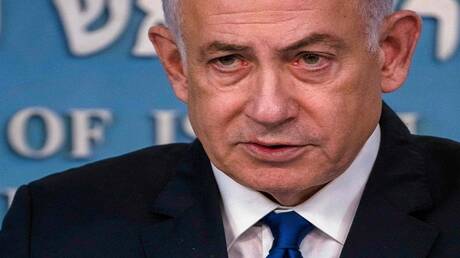
In a controversial move, Israeli Prime Minister Benjamin Netanyahu criticized the Israeli media, calling for them to work on uplifting the spirits of Israeli citizens instead of enhancing the morale of the 'enemy'. This statement was made during a recorded address by Netanyahu amid escalating military and political tensions with Iran, which Israel perceives as an existential threat.
Netanyahu's remarks come at a sensitive time, as the region is witnessing an escalation in military operations, heightening concerns among Israeli citizens. He emphasized the importance of the media's role in shaping public opinion and the necessity for it to have a positive impact on the morale of Israeli society.
Details of the Statement
In his statement, Netanyahu stressed that Israeli media should adopt a discourse that enhances citizens' confidence in their government and its ability to face challenges. He criticized what he described as media coverage that promotes feelings of defeat, asserting that the current time requires everyone, including the media, to work on fostering national spirit.
These remarks come at a time when pressures on the Israeli government are mounting due to internal and external crises, including tensions with Iran, which Israel accuses of supporting hostile armed groups. Netanyahu pointed out that the media should be a partner in promoting stability and security.
Background & Context
Historically, the relationship between the Israeli government and the media has been tense, with the government sometimes accusing the media of not supporting national efforts. In recent years, these tensions have increased with the rise of security threats, prompting the government to demand a change in media coverage style.
Iran, viewed by Israel as the main enemy in the region, continues to bolster its influence in the Middle East, increasing Israeli anxiety. The past years have seen several military confrontations between the two sides, leading the Israeli government to feel the need to support the morale of its citizens in the face of this ongoing threat.
Impact & Consequences
Netanyahu's statements could lead to increased tensions between the government and the media, as they may be interpreted as an attempt to control the media discourse. At the same time, these remarks could affect public trust in the media, potentially leading to greater division within Israeli society.
Additionally, these statements may impact relations between Israel and Western countries, which closely monitor how the Israeli government interacts with the media. If these countries perceive that the government is attempting to restrict press freedom, it could affect international support for Israel.
Regional Significance
Netanyahu's remarks are part of a broader strategy aimed at reinforcing Israeli national identity in the face of external challenges. Simultaneously, these statements could lead to increased polarization in the region, as they may be seen as a call to strengthen national discourse against external threats.
Furthermore, these remarks could affect relations between Israel and Arab countries, especially those seeking to establish diplomatic ties with Israel. If the Israeli government continues to adopt hostile stances, it could significantly impact regional dialogue.
In conclusion, Netanyahu's statements regarding the Israeli media highlight the increasing tensions in the region and underscore the challenges facing the Israeli government in boosting the morale of its citizens amid ongoing crises.