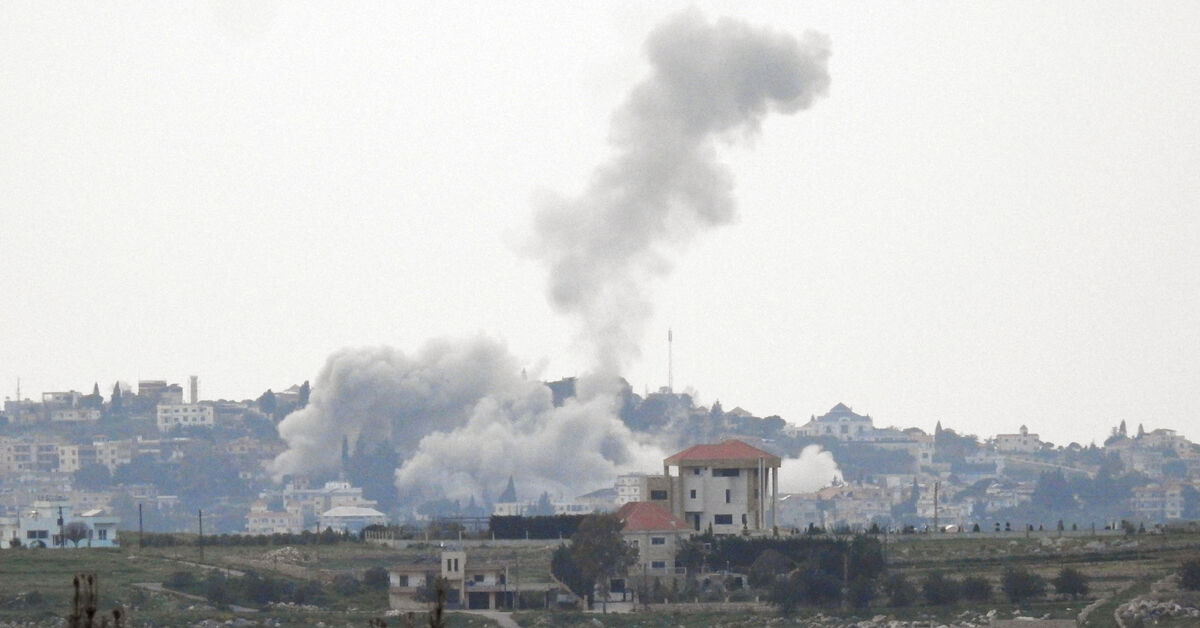
In a new step reflecting escalating tensions between Israel and Lebanon, Israeli Prime Minister Benjamin Netanyahu announced on Sunday his directives to the army to expand the current security zone in southern Lebanon. Netanyahu confirmed in a video statement from the northern command of the army that this move aims to fundamentally change the security situation in the region, stating, "I have instructed the army to expand the current security zone. We are determined to fundamentally change the situation in the north."
These statements come at a time when southern Lebanon is witnessing increasing tensions, with military activities on the border between Israel and Lebanon on the rise. This step has raised concerns about a potential escalation in the ongoing conflict between the two sides, especially amid ongoing tensions with the Lebanese group Hezbollah.
Details of the Announcement
The expansion of the security zone is part of an Israeli strategy aimed at enhancing security in border areas, especially following a series of security incidents in the region. Netanyahu indicated that this expansion will include an increase in the number of military forces and an enhancement of intelligence activities in the area.
The Israeli Prime Minister also emphasized that these measures are a response to the increasing threats from Hezbollah, which the Israeli occupation considers one of the greatest security threats in the region. In recent years, the Israeli-Lebanese border has seen an escalation in military operations, complicating the security situation further.
Background & Context
Historically, the border area between Israel and Lebanon has been the scene of numerous armed conflicts, starting with the Israeli invasion of Lebanon in 1982 and culminating in the July 2006 war. Since then, Hezbollah has maintained a strong presence in southern Lebanon, making it difficult for Israel to achieve security stability in the area.
In recent years, military activities along the border have increased, including exchanges of gunfire between both sides, leading to heightened tensions. Additionally, the political situation in Lebanon, including economic and political crises, has affected the Lebanese government's ability to control the security situation in the south.
Impact & Consequences
The expansion of the security zone may lead to heightened tensions between Israel and Lebanon, increasing the likelihood of military clashes. This escalation could also impact the regional situation overall, potentially leading to interventions from other countries in the region, such as Iran, which supports Hezbollah.
Furthermore, this move may affect Israel's relations with other Arab countries, especially amid ongoing normalization efforts in the region. These actions may be perceived as a threat to regional security, potentially eliciting negative reactions from Arab nations.
Regional Significance
The expansion of the security zone in southern Lebanon poses a significant challenge to Arab policy, as it could escalate conflict in a region already suffering from crises. This step may impact peace efforts in the area, particularly in light of other issues such as the Palestinian cause.
In conclusion, the situation in southern Lebanon remains complex, with intertwining security and political factors. The Israeli military escalation could lead to widespread repercussions, not only for Lebanon but for the entire region.