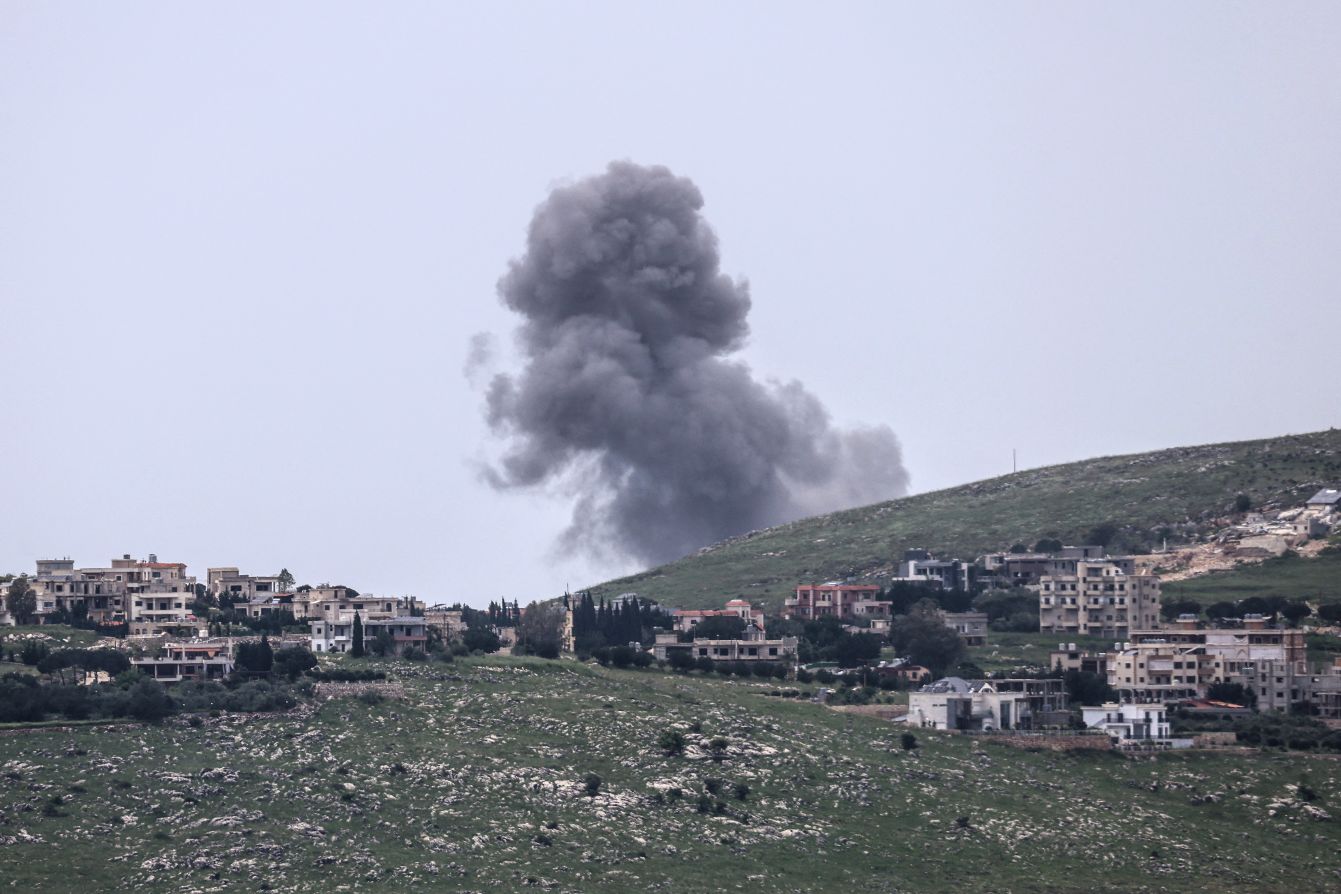
Israeli Prime Minister Benjamin Netanyahu has directed the Israeli military to respond forcefully to Hezbollah in Lebanon, according to reports published by Israel Hayom. This action is characterized as an attempt to relieve internal pressures on the government, viewed as a show of strength amid increasing criticism.
Military officials have indicated that there have been no significant changes in military instructions following this announcement. The Israeli army continues to carry out its operations in southern Lebanon according to existing directives from the political leadership, raising questions about the effectiveness of this decision.
Details of the Event
Reports suggest that the Israeli army has not altered its operational plans following Netanyahu's announcement, indicating that military operations are ongoing as they were. The aim of this announcement appears to be addressing public criticism directed at the government, as actions remain aligned with broader directives, including those related to the ceasefire framework announced by Donald Trump.
Simultaneously, the Israeli government continues to face increasing internal pressures, with growing dissatisfaction regarding its handling of security threats, particularly from Hezbollah. These pressures may influence future military and political decisions.
Background & Context
Historically, relations between Israel and Hezbollah have been marked by increasing tensions, especially following the war that erupted in 2006. Since then, Hezbollah has maintained its military capabilities and expanded its influence in Lebanon, leading Israel to consider it a persistent threat. In recent years, these tensions have intensified with a rise in military activities along the border.
Moreover, the internal political situation in Israel has impacted military decisions, as Netanyahu seeks to bolster his position amid criticism from the opposition. This context reflects the challenges faced by the Israeli government in managing security and political crises.
Impact & Consequences
The steps taken by Netanyahu could lead to escalating tensions in the region, as Hezbollah may respond to these directives in various ways. Military escalation could have dire consequences for civilians in both Lebanon and Israel, complicating the humanitarian situation in the area.
Furthermore, these developments may affect Israel's relations with other countries, particularly those striving for peace and stability in the region. Any escalation could lead to greater international intervention, further complicating the existing circumstances.
Regional Significance
These developments are of significant importance to the Arab region, as any escalation in the Israeli-Lebanese conflict could impact security and stability in neighboring countries. Arab nations are closely monitoring these events, as any escalation may have repercussions for regional security.
Ultimately, the question remains about how these decisions will affect the future of relations between Israel and Hezbollah, and whether they will lead to greater escalation in the conflict or contribute to calming the situation. The current state requires a diplomatic solution that ensures security for all parties involved.