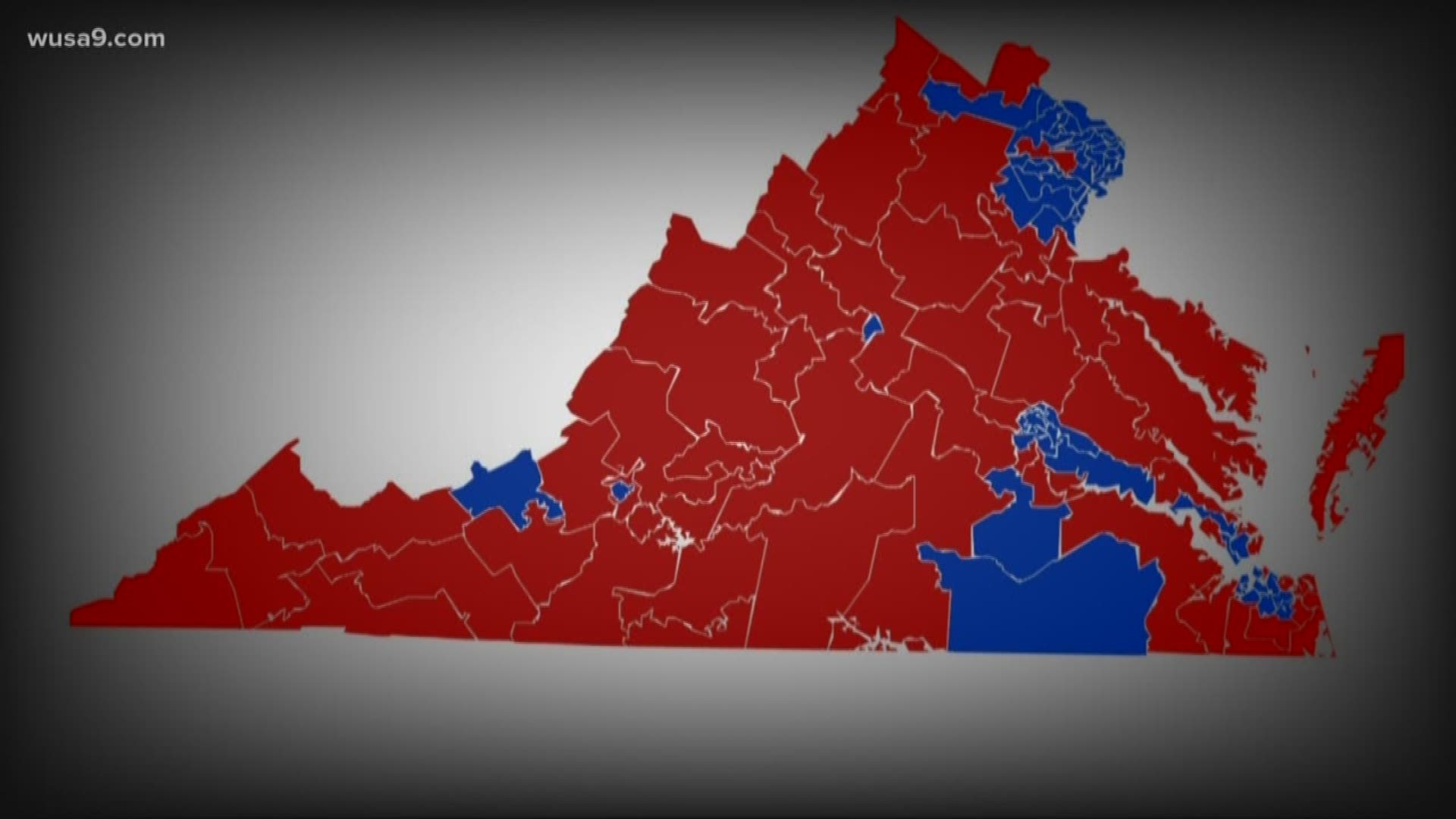
The Virginia Supreme Court is set to make a ruling on the House of Delegates map that was voted on by the electorate, which is considered advantageous for the Democratic Party. This decision arrives at a pivotal moment as the Republican Party seeks to contest this map, raising questions about its impact on the upcoming elections.
The approved map includes a division of electoral districts that ensures better representation for Democrats in the state. However, Republicans argue that this division has been unfairly designed, necessitating intervention from the Supreme Court to review the matter.
Legal Arguments and Perspectives
All eyes are on the Virginia Supreme Court, where legal arguments from both sides are expected to be heard. Republicans claim that the map violates principles of electoral fairness, while Democrats defend its legitimacy, asserting that it reflects the will of the voters.
If the court decides to overturn the map, it could lead to redistricting, significantly affecting the outcomes of the upcoming elections. This situation raises widespread concern among voters and political analysts alike.
Background & Context
Historically, redistricting issues have been a contentious topic in the United States. In recent years, many states have witnessed legal battles over how these districts are drawn, with each party striving to bolster its electoral position. In Virginia, there have been previous attempts to modify electoral districts, but this time the situation appears to be taking a different turn.
This case arises at a time when pressures on the American electoral system are increasing, as voters face challenges related to fair representation. The court's decision could set the course for elections in Virginia and may have broader implications at the national level.
Impact & Consequences
If the court decides to annul the map, it could lead to significant changes in the political landscape of Virginia. This might open the door for further legal challenges in other states, complicating the electoral process nationwide. Additionally, this decision could influence the campaign strategies of various parties.
On the other hand, if the map is upheld, it could strengthen the Democrats' position in the state, potentially leading to favorable outcomes for them in the upcoming elections. This underscores the importance of districting and its impact on democracy.
Regional Significance
The implications of this case extend beyond Virginia, as it highlights the ongoing challenges faced by electoral systems across the United States. The outcome may resonate with similar issues in other states and could influence how electoral fairness is perceived and implemented.
In conclusion, the Virginia Supreme Court's ruling on this matter is crucial not only for the state but also for the broader electoral landscape in the United States. It may serve as a precedent for future cases involving redistricting and electoral fairness.