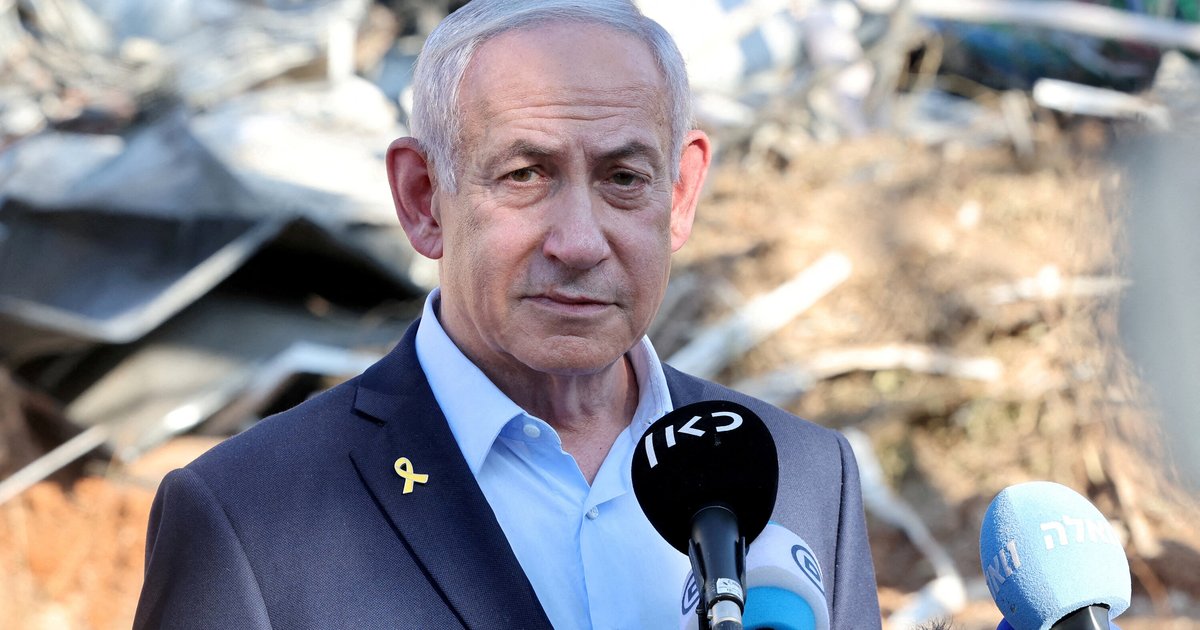
New reports reveal how Israeli Prime Minister Benjamin Netanyahu convinced former U.S. President Donald Trump to consider military action against Iran. This information emerges amid rising tensions in the region, where fears of military escalation could alter the balance of power in the Middle East.
According to the reports, Netanyahu utilized a range of evidence and intelligence to persuade Trump that Iran poses a genuine threat to both U.S. and Israeli national security. This information was presented during several private meetings between the two leaders, focusing on Iran's nuclear activities and its support for armed groups in the region.
Details of the Event
The reports indicated that Netanyahu provided Trump with detailed information regarding Iran's nuclear program, including images and videos showcasing suspicious activities at nuclear facilities. It was emphasized that Iran is seeking to develop weapons of mass destruction, which Trump viewed as a direct threat to the United States and its allies.
Furthermore, Iran's support for armed groups such as Hezbollah in Lebanon and the Houthis in Yemen was highlighted, increasing the U.S. administration's concerns about the potential escalation of conflict in the region. This information was used as a means to convince Trump that military action is the optimal solution to address the Iranian threat.
Background & Context
Historically, relations between the United States and Iran have been tense since the Islamic Revolution in 1979. These relations have seen notable escalation in recent years, particularly following the U.S. withdrawal from the Iranian nuclear deal in 2018. This withdrawal led to heightened tensions between the two countries, as Iran resumed expanding its nuclear program and developing its military capabilities.
In this context, Netanyahu has consistently sought to strengthen relations with the U.S. administration, viewing American support as a crucial element for Israel's stability and security. Netanyahu has employed various strategies to bolster this support, including pressuring the U.S. administration to adopt a tougher stance towards Iran.
Impact & Consequences
If these plans are implemented, they could lead to significant military escalation in the region, potentially adversely affecting regional security. A war against Iran could provoke military interventions from other countries, complicating the situation in the Middle East further.
Moreover, any military escalation could impact oil prices and global financial markets, as Iran is one of the main oil-exporting countries. Consequently, any military conflict could lead to price increases and affect the global economy.
Regional Significance
For Arab countries, any military escalation between the U.S. and Iran could have significant repercussions. Gulf states, in particular, may feel anxious about rising tensions, given that Iran is a close neighbor with substantial influence on regional security.
Additionally, the conflict may affect peace efforts in the region, as many Arab nations strive for stability in their relations with Iran. Thus, any military escalation could plunge the region back into a cycle of conflicts that may persist for years.