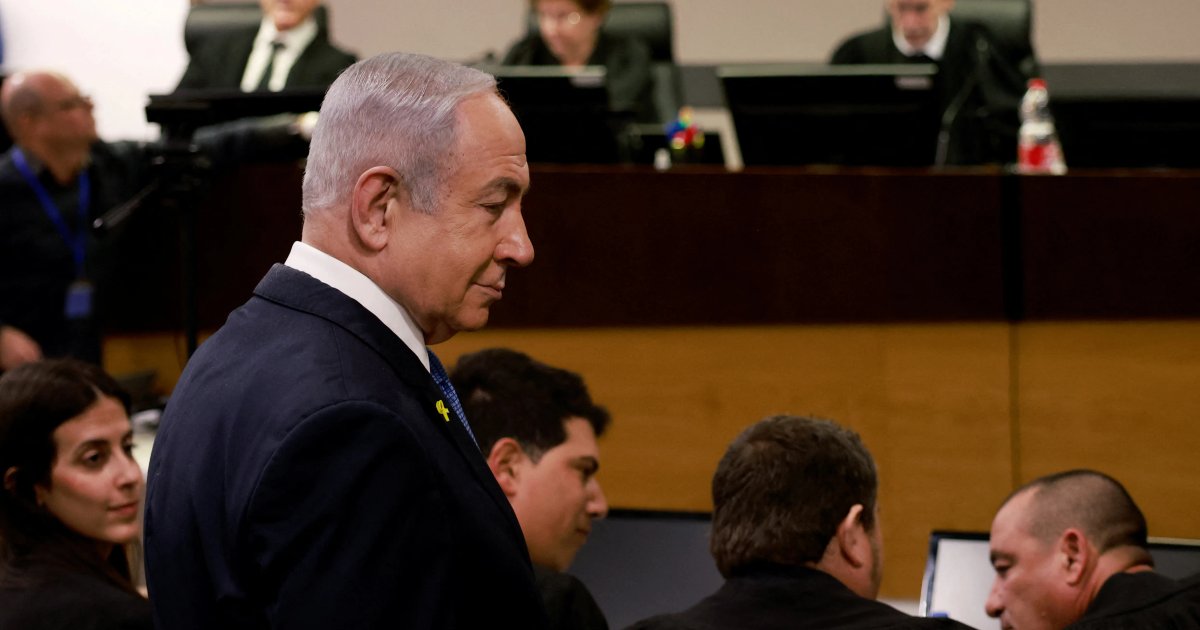
Israeli Prime Minister Benjamin Netanyahu appeared in court today for the first time in two months, facing corruption charges related to bribery and breach of trust. This appearance comes at a sensitive time as Netanyahu faces increasing political pressure.
The cases against Netanyahu involve several files, most notably File 1000, in which he is accused of receiving illegal gifts from businessmen, and File 2000, which deals with secret conversations with a newspaper publisher to obtain favorable media coverage. These cases have sparked widespread controversy in Israeli society, with many calling for his resignation.
Details of the Court Session
During the court session, Netanyahu was questioned about the details of the gifts he received, which included bottles of champagne and luxury cigars. Evidence and testimonies presented by witnesses in the case were also reviewed, adding further complexity to the legal file he faces.
Netanyahu, who denies all charges against him, described the trial as a "political witch hunt" aimed at undermining his government. He indicated that these cases have been used as a political tool by his opponents.
Background & Context
The roots of these cases date back to 2017, when the Israeli police began investigating allegations of corruption against Netanyahu. Since then, Israel has witnessed a series of general elections, where these cases have been at the center of political discussions.
It is noteworthy that Netanyahu is the first Israeli Prime Minister to stand trial during his term, reflecting the magnitude of the political and legal crisis he faces. These cases are not just legal matters; they have profound implications for political life in Israel.
Impact & Consequences
This trial could significantly affect Netanyahu's political future, as calls for his resignation from office increase. If convicted, he may face severe penalties, including imprisonment, which would drastically change the political landscape in Israel.
Additionally, these cases could lead to greater divisions within Israeli society, as opinions vary on the extent of corruption's impact on the government. Some citizens believe that Netanyahu should be held accountable, while others defend him as a victim of a political conspiracy.
Regional Significance
Netanyahu's trial is an important event not only in Israel but also in the Arab region. Arab countries are closely monitoring the developments of this case, as it may affect Israel's relations with its neighbors, especially amid ongoing tensions in the region.
While some Arab countries seek to normalize relations with Israel, the corruption cases could hinder these efforts and impact Israel's image in the Arab world.
In conclusion, Netanyahu's trial represents a turning point in Israeli politics, as it may determine the fate of the current Prime Minister and influence the future of the country. All eyes remain focused on what the upcoming sessions will reveal.