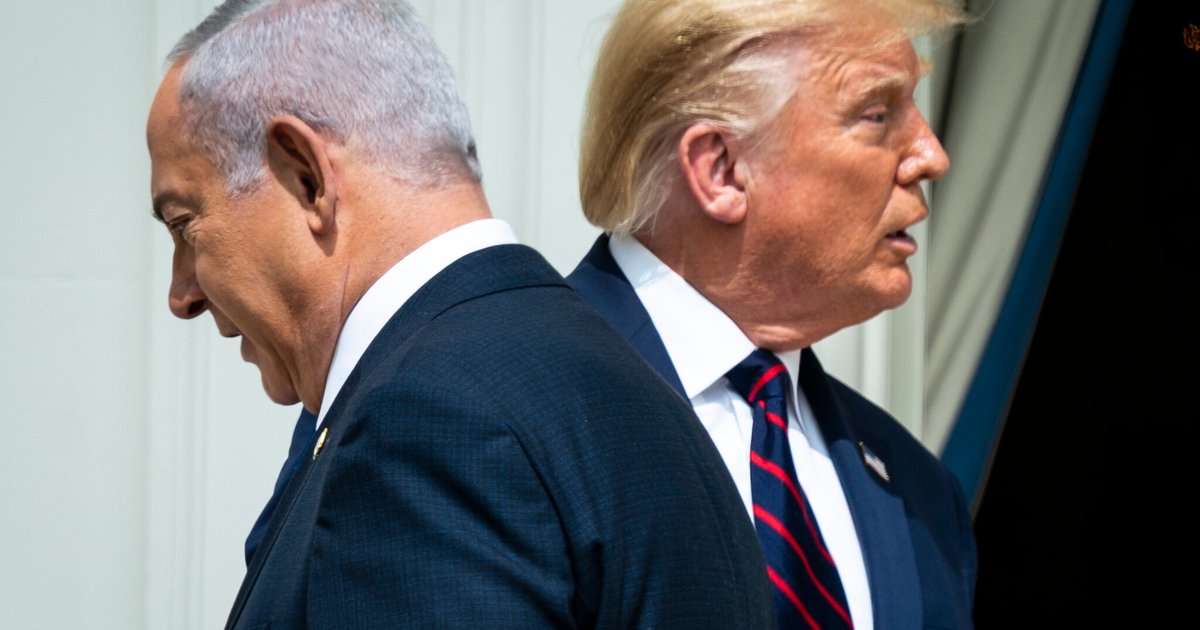
Israeli Prime Minister Benjamin Netanyahu has announced his support for U.S. President Donald Trump's ceasefire decision regarding the ongoing conflict, indicating that this decision does not include Lebanon. These statements arise amidst escalating tensions in the region, raising concerns about a potential new escalation in the conflict.
Speaking at a press conference, Netanyahu affirmed that Israel will continue to defend its interests and security, and that any escalation from Hezbollah or any other party will not be tolerated. He also pointed out that the United States plays a crucial role in supporting Israel during these critical times.
Details of the Event
As Israeli forces continue their military operations, Trump's decision reflects a desire to calm the situation. This decision has elicited mixed reactions within political circles, with some viewing it as a positive step towards peace, while others consider it insufficient to halt the ongoing violence.
Netanyahu clarified that Israel will not hesitate to take necessary measures to protect its citizens, stating that any attack from Lebanon will be met with a strong response. He emphasized the importance of cooperation with the United States to ensure regional security.
Background & Context
Historically, relations between Israel and Lebanon have been marked by ongoing tensions, particularly with the presence of Hezbollah, which many consider a direct threat to Israeli security. Recent years have seen an escalation in military operations between the two sides, complicating the security landscape in the region.
In this context, Trump's decision is part of the current U.S. administration's policy towards the Middle East, which aims to achieve relative stability in the region. However, the effectiveness of these policies in achieving lasting peace remains in question.
Impact & Consequences
Analysts expect that Netanyahu's statements and Trump's decision will lead to increased tensions in the region, especially with ongoing military operations. There are also concerns that this situation could lead to a larger escalation, potentially affecting regional security as a whole.
Moreover, these developments may impact the relationships between Arab countries and Israel, as some nations move towards normalizing relations with Israel, while others remain cautious due to the ongoing conflict.
Regional Significance
These statements are part of a larger picture involving ongoing conflicts in the region, affecting security and stability in neighboring countries. The continuation of tensions may lead to economic and social repercussions for Arab nations, further complicating the situation.
In conclusion, the situation in the region remains complex, with political and security interests intertwining, necessitating persistent efforts to achieve peace and stability.