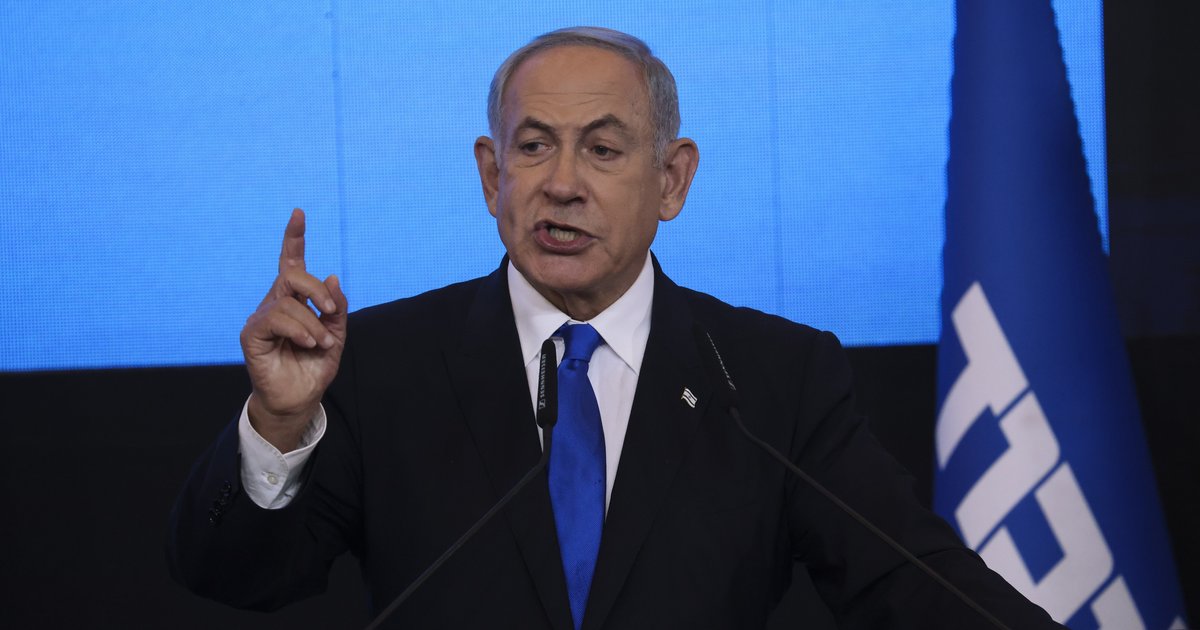
Two of the most notable competitors to Israeli Prime Minister Benjamin Netanyahu have declared their intention to form a political alliance in the upcoming elections, a move aimed at overthrowing the current coalition government. This alliance emerges at a sensitive time in the Israeli political landscape, where opponents are seeking to reshape the political scene by focusing on significant domestic issues, such as the recruitment of ultra-Orthodox Jews into the military.
This alliance poses a substantial challenge to Netanyahu, who faces increasing criticism from his adversaries, particularly regarding his management of domestic affairs. Opponents argue that the current government has not made the necessary progress in addressing the social and economic issues that concern citizens.
Details of the Event
The competitors, whose names have not been disclosed in the initial statements, confirmed that they will enhance their efforts by focusing on issues that resonate with the Israeli public. Among these issues is the recruitment of ultra-Orthodox Jews, a sensitive topic within Israeli society, where many of these young individuals refuse military service, sparking widespread debate about their role in the community.
Observers have noted that this alliance could alter the balance of power in the Knesset, as opponents aim to attract the votes of citizens who feel disillusioned with the current government's performance. This alliance may contribute to reshaping political coalitions in Israel, potentially leading to radical changes in how the country is governed.
Background & Context
Historically, Israel has witnessed numerous political alliances aimed at toppling previous governments. In recent years, the coalition government led by Netanyahu has faced multiple challenges, including economic and social issues. These challenges have led to growing dissatisfaction among voters, opening the door for competitors to seize this opportunity.
It is worth noting that Netanyahu has faced severe criticism for his policies towards the Palestinians, in addition to corruption issues that have plagued his government. These factors could significantly impact the outcome of the upcoming elections, as voters seek an alternative capable of addressing these issues more effectively.
Impact & Consequences
If the new alliance succeeds in achieving its goals, it could lead to radical changes in Israeli politics. This may result in a reshaping of the government, which could affect Israel's relations with other countries, including Arab nations. Furthermore, any changes in domestic policy could impact Israeli national security, especially amid ongoing tensions with the Palestinians.
Moreover, these developments could increase divisions within Israeli society, as opinions vary on how to address social and economic issues. Should the alliance succeed, we might witness changes in policies related to recruitment and military service, which could affect the social fabric of the country.
Regional Significance
The political developments in Israel are of great importance to Arab countries, as they directly affect Israeli-Arab relations. Any changes in the Israeli government could lead to shifts in policy towards the Palestinians, a matter of concern for many Arab nations seeking peace and stability in the region.
Additionally, these developments could influence peace efforts in the region, as the international community seeks lasting solutions to the Israeli-Palestinian conflict. Therefore, monitoring these events will be crucial to understanding how they impact the future of Arab-Israeli relations.