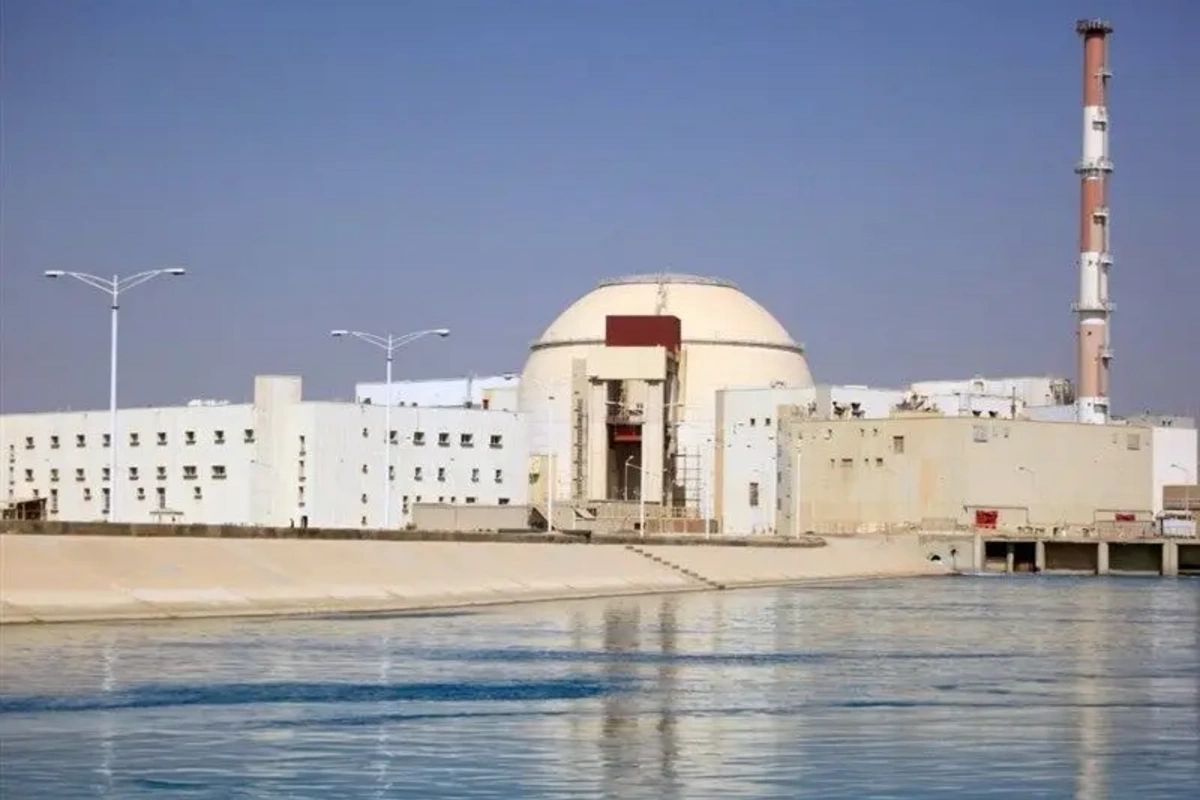
The Bushehr nuclear facility in Iran has experienced a new attack, with the Iranian Atomic Energy Agency confirming no damage resulted from the incident. This development comes amid rising tensions in the region, raising concerns about nuclear safety in the country.
The attack, which occurred in the vicinity of the facility, has not had its precise details disclosed, but the agency confirmed that all systems are functioning normally and that the facility has not suffered any damage. This attack is the latest in a series of incidents targeting Iranian nuclear facilities, raising questions about safety and security at these sensitive sites.
Details of the Incident
While no group has claimed responsibility for the attack, Iranian authorities continue to investigate its circumstances. This attack follows a period of escalating tensions between Iran and Western countries, particularly amid ongoing negotiations regarding Iran's nuclear program. Some observers have suggested that these attacks may be part of a broader strategy aimed at destabilizing Iran's nuclear program.
The Bushehr nuclear facility is one of Iran's most prominent nuclear installations and was commissioned with Russian assistance. This facility has sparked significant controversy in the international community, with some viewing it as a threat to regional security if used for military purposes.
Background & Context
Historically, Iran has witnessed numerous attacks on its nuclear facilities, with these attacks being part of the ongoing conflict between Iran and Western nations, which fear Tehran's development of military nuclear capabilities. These tensions have led to economic sanctions against Iran, significantly impacting its economy.
In recent years, concerns have escalated that Iran may seek to develop nuclear weapons, prompting many countries to take stringent actions against it. However, Iran denies these allegations and insists that its nuclear program is purely peaceful.
Impact & Consequences
The attack on the Bushehr nuclear facility could have far-reaching implications for regional security. It may escalate tensions between Iran and Western nations, especially if this attack is linked to external parties seeking to destabilize Iran. Furthermore, the continuation of such attacks could affect Iran's plans to advance its nuclear program.
Moreover, these events may increase anxiety among neighboring countries, potentially prompting them to bolster their defensive capabilities. At the same time, these incidents could impact ongoing negotiations regarding Iran's nuclear program, as Western nations may adopt a more hardline stance.
Regional Significance
Considering the potential impact on the Arab region, the ongoing tensions surrounding Iran's nuclear program could lead to increased divisions among Arab states. Some countries may fear that Iran could use its nuclear capabilities as a tool for regional dominance, prompting them to strengthen their alliances with Western powers.
Ultimately, the situation in Iran and its surroundings remains volatile, with political and security interests intertwining in complex ways. Close monitoring of upcoming developments is required, as they may have significant implications for security and stability in the region.