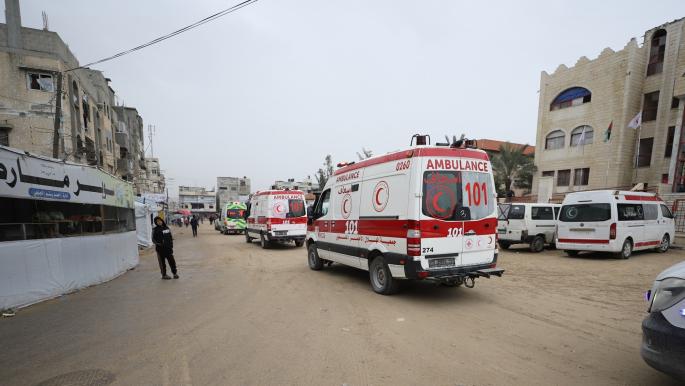
A new batch of patients and injured individuals departed today from Khan Younis in southern Gaza, heading to the Rafah crossing to continue their treatment in Egyptian territory. This step comes at a critical time, as the region is suffering from a severe shortage of medical resources due to the current circumstances.
This group includes several patients requiring specialized medical care, along with companions to ensure the necessary support during their treatment period. This initiative is part of ongoing efforts to alleviate the suffering of citizens in Gaza, who are facing escalating health challenges due to the dire humanitarian situation.
Details of the Event
This new batch of patients is making its way to the Rafah crossing, which is the only land outlet for Gaza to the outside world. Coordination has been established with Egyptian authorities to receive these patients and provide them with the necessary healthcare. It is noteworthy that the Rafah crossing has recently seen an increase in the number of patients being transferred to Egypt, reflecting the urgent need for treatment amid the ongoing crises affecting the region.
This group includes patients suffering from severe injuries due to the ongoing conflict, as well as chronic cases that require specialized medical attention. Ambulances have been prepared to transport them to Egyptian hospitals, where they are expected to receive the necessary treatment.
Background & Context
The Gaza Strip is experiencing a suffocating health crisis due to the ongoing blockade and restrictions on movement. For several years, the number of patients needing treatment outside the enclave has increased, as the necessary resources are not available in local hospitals. This situation has led to increased pressure on the healthcare system in Gaza, which is suffering from a severe shortage of medicines and medical equipment.
Historically, Egypt has always been a refuge for patients from Gaza, providing them with healthcare that cannot be obtained within the enclave. With the escalation of humanitarian crises, it has become essential to enhance cooperation between the two sides to facilitate patient transfers and provide the necessary medical support.
Impact & Consequences
This step is significant in the context of the humanitarian situation in Gaza, as it reflects the urgent need to provide healthcare for civilians. Additionally, transferring patients to Egypt may help alleviate the pressure on local hospitals, allowing them to focus on more urgent cases.
However, the question remains about how this cooperation can continue amid fluctuating political and economic conditions. Providing healthcare for patients in Gaza requires coordinated efforts between local and international authorities to ensure the continuity of medical support.
Regional Significance
These events highlight the humanitarian challenges faced by many Arab countries, where health and economic crises are on the rise. The situation in Gaza is not unique; it reflects the suffering of many peoples in the region who are enduring conflicts and blockades.
Arab countries need to strengthen cooperation among themselves to provide humanitarian and medical support to those affected by crises. Collaborative efforts can contribute to improving humanitarian conditions and enhance the ability of countries to face future challenges.
In conclusion, the transfer of patients from Gaza to Egypt represents a positive step towards improving healthcare in the enclave, but it also underscores the urgent need to provide humanitarian and medical support amid the difficult conditions faced by Gaza's residents.