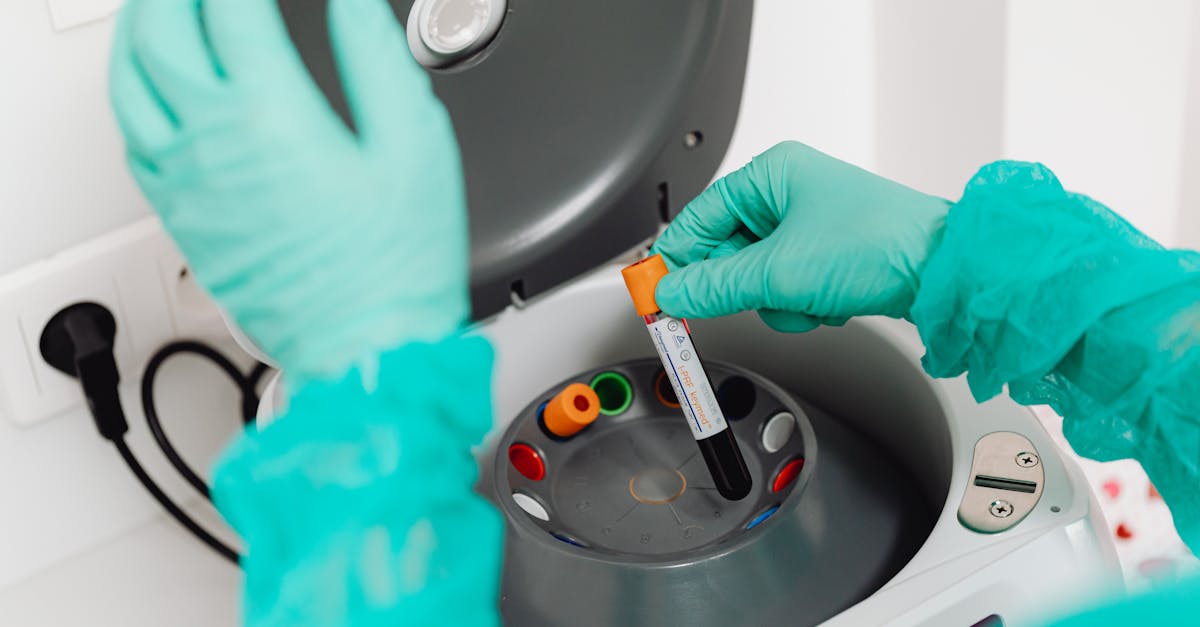
Health authorities in the United States have announced the inclusion of a new blood test among the options for detecting colon and rectal cancer. This decision is part of efforts to enhance early screening for a disease that is one of the most common types of cancer in the country. The new test aims to improve early detection rates and reduce mortality associated with this illness.
Colon and rectal cancer is a preventable disease if detected in its early stages. Thanks to advancements in medical technology, doctors can now use blood tests as an effective tool to identify signs of the disease, making it easier for patients to receive a quick and accurate diagnosis.
Details of the New Test
The new test relies on analyzing a blood sample to detect biomarkers indicating the likelihood of colon and rectal cancer. This test has been developed after years of research and clinical studies that have proven its effectiveness in identifying patients who need further examinations, such as colonoscopy.
This step is part of a comprehensive strategy aimed at reducing cancer incidence rates and improving treatment outcomes. Studies have shown that early detection can increase the chances of recovery and decrease the need for intensive treatments.
Background & Context
Colon and rectal cancer is a disease that causes the death of many individuals annually and is one of the leading causes of cancer-related mortality in the United States. According to statistics, over 100,000 new cases are diagnosed each year, highlighting the urgent need to improve screening and diagnostic methods.
In recent years, the United States has witnessed a rise in awareness regarding the importance of early screening, with individuals encouraged to undergo regular check-ups. With the introduction of the new blood test, experts expect an increase in the number of people undergoing screenings, contributing to a reduction in incidence rates.
Impact & Consequences
This new test is expected to have a significant impact on how colon and rectal cancer is managed in the United States. Due to the ease of conducting the test and the lack of complex procedures, more individuals may be encouraged to undergo necessary screenings.
Additionally, the inclusion of the blood test may help reduce medical costs associated with cancer treatment, as early detection can lead to less expensive and more effective treatments. This could positively affect the healthcare system as a whole.
Regional Significance
The experience of the United States in introducing a blood test for detecting colon and rectal cancer serves as a model for Arab countries. Many nations in the region suffer from high cancer incidence rates, necessitating the development of effective early detection strategies.
This step could inspire Arab countries to adopt new technologies in cancer screening and detection, contributing to improved public health and reduced mortality from this disease. Furthermore, raising awareness about the importance of early screening can have a positive impact on Arab communities.
In conclusion, the introduction of the new blood test represents an important step towards improving care for patients with colon and rectal cancer, reflecting the United States' commitment to enhancing early screening and prevention. This initiative is expected to have positive implications for public health, opening new avenues in the fight against this disease.