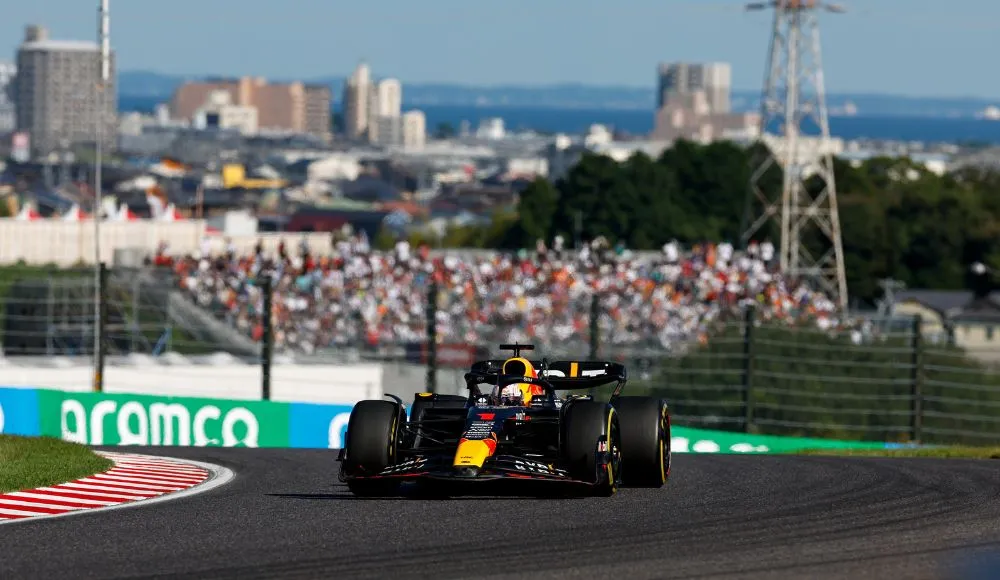
All eyes are on the Suzuka Circuit in Japan, where a new round of Formula 1 racing is set to take place. However, the challenges faced by the cars in this race may be greater than expected. Reports indicate that Formula 1 cars are suffering from a lack of power necessary to attack the fast corners, raising concerns among teams and drivers about how this will affect overall performance in the race.
The Suzuka Circuit is considered one of the most challenging tracks in the Formula 1 calendar, featuring a series of fast corners that require high skill levels from drivers. However, the lack of power could significantly impact the ability to maneuver through these corners, potentially leading to a less exciting race.
Event Details
Data shows that current Formula 1 cars do not possess sufficient power to achieve optimal performance in fast corners. This power deficiency could be attributed to several factors, including technical regulations aimed at reducing speed and increasing safety. Additionally, changes in car design may also affect their ability to handle fast corners.
The fast corners at Suzuka demand great precision from drivers, as they must maintain high speeds while effectively controlling the car. With the power shortage, drivers may find themselves forced to reduce speed in these corners, which could impact the competitiveness of the race.
Background & Context
Historically, Suzuka has been one of the premier circuits in the Formula 1 calendar, witnessing many historic moments in the world of motorsport. However, the current challenges facing the cars indicate significant changes in how cars are designed and perform. Since the introduction of new regulations, Formula 1 has shifted towards a focus on safety and speed reduction, affecting the overall racing style.
In recent years, there have been attempts to enhance performance in fast corners, but these efforts seem insufficient to meet the current challenges. The power shortage could have long-term implications for how cars are developed in the future.
Impact & Consequences
These challenges could lead to changes in strategies for teams and drivers during the race. Drivers may need to adjust their driving styles, which could affect race outcomes. Teams may also need to reevaluate their car designs to meet performance requirements in fast corners.
If this issue persists, it may impact the popularity of Formula 1, as fans look forward to exciting and thrilling races. Poor performance in fast corners could lead to less exciting races, which may negatively affect team revenues and the championship overall.
Regional Significance
Formula 1 is one of the most popular sports in the Arab region, with countries like Bahrain and the United Arab Emirates hosting Formula 1 races. The challenges faced by cars in Japan may pique the interest of Arab teams looking to develop their cars and improve performance in upcoming races.
Moreover, these challenges could open the door for new investments in car development in the region, as Arab companies may seek to leverage modern technologies to enhance performance in fast corners.
In conclusion, the lack of power in Formula 1 cars presents a significant challenge, especially at the Suzuka Circuit. Everyone is eager to see how teams and drivers will respond to these challenges in upcoming races.