International relations are witnessing notable changes among major countries, with tensions increasingly coming to the forefront. These tensions have a direct impact on the global economy, prompting nations to take swift actions to adapt to these new realities.
Concerns are growing regarding the impact of these tensions on financial markets, as forecasts indicate that investments may be negatively affected due to political instability. At the same time, countries are striving to strengthen their economic ties with new partners to mitigate potential adverse effects.
Details of the Event
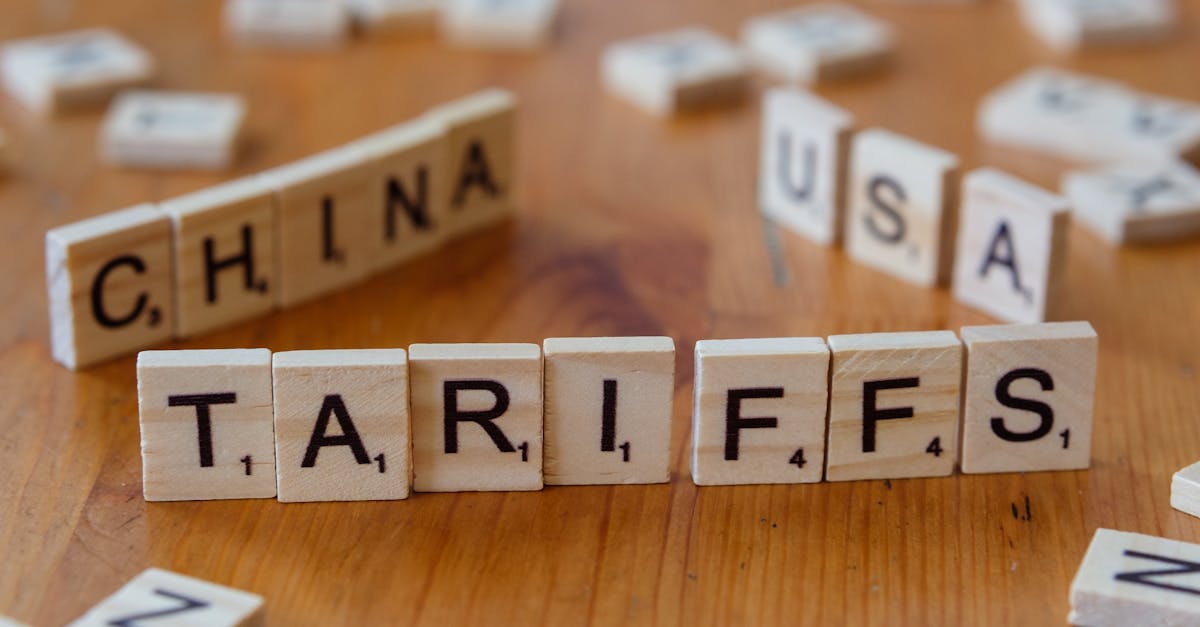
Recently, relations between the United States and China have escalated, with the U.S. imposing new tariffs on Chinese imports. This decision is part of Washington's efforts to reduce the trade deficit and boost domestic production. In response, China has retaliated with similar measures, intensifying trade tensions.
Furthermore, Russia continues to strengthen its economic relationships with other nations, creating a new balance in the global system. These dynamics contribute to shaping a complex economic environment that requires countries to think deeply about their future strategies.
Background & Context
Historically, international relations have undergone many transformations that have impacted the global economy. For instance, during the Cold War, there were clear divisions between the Eastern and Western blocs, affecting trade and investment. Today, it seems the world is moving towards a multipolar system, where several powers compete for influence.
In recent years, issues such as climate change and cybersecurity have become part of international discussions, further complicating relations between countries. These issues require international cooperation, but current tensions may hinder such collaboration.
Impact & Consequences
Many economic reports predict that current tensions will lead to a slowdown in global economic growth. Major companies may face challenges in their supply chains, impacting production and prices. Additionally, political instability could result in a decline in foreign direct investment.
Moreover, financial markets may be significantly affected as investors seek to reduce risks. This shift could lead to substantial fluctuations in stock and currency prices, impacting the global economy as a whole.
Regional Significance
For the Arab region, these tensions may affect foreign investments, particularly in vital sectors such as oil and energy. Arab countries that rely on oil exports may face new challenges due to price fluctuations resulting from international tensions.
Furthermore, Arab nations may seek to enhance cooperation among themselves to reduce dependence on major powers. This collaboration could contribute to strengthening economic stability in the region and increasing growth opportunities.
In conclusion, international relations remain a crucial factor in shaping the global economy. It is essential for countries to closely monitor developments and be prepared to adapt to rapid changes.