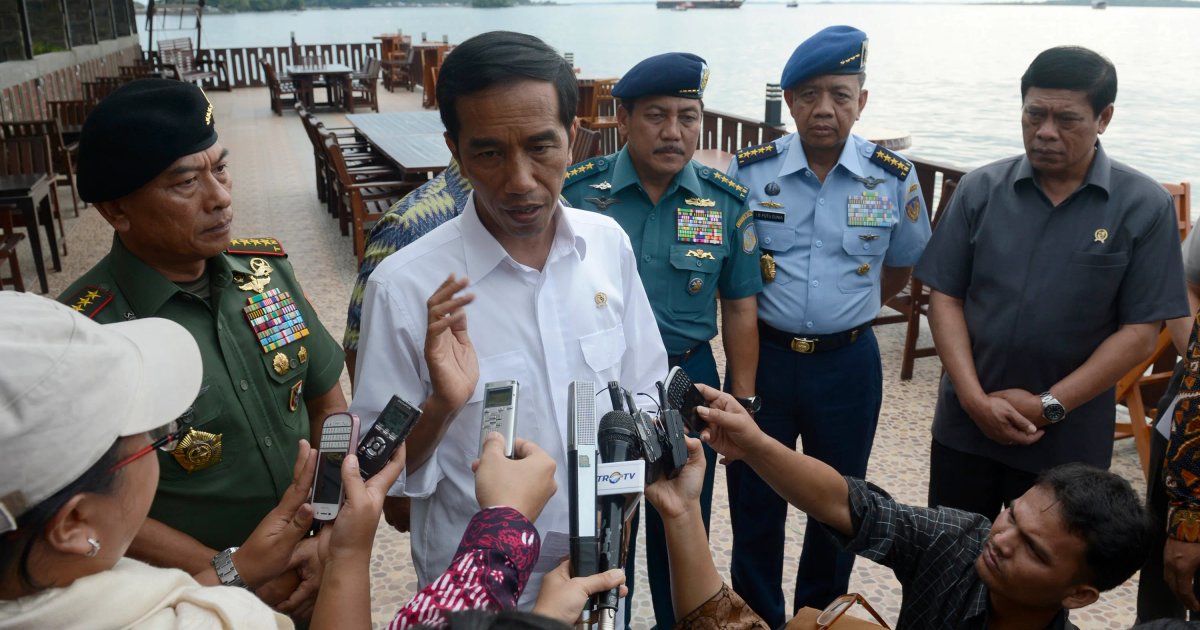
In a new development concerning the forgery case involving the seventh Indonesian president, Joko Widodo, Risman Hasyiholan Sianipar, the accused in this case, announced that the Restorative Justice process he presented is not influenced by any external parties. This statement was made during a press conference held at the police headquarters in Jakarta, where Sianipar confirmed that the process was conducted independently and without any pressure.
Sianipar explained that he is working on a new study related to the certificates, which includes variables such as engineering, lighting, and image accuracy, indicating that this study will yield different results from those previously reached. He confirmed that he aims to present the results of this study as soon as possible, without specifying an exact date.
Details of the Event
During the conference, Sianipar noted that he conducted independent research similar to what he did when preparing his well-known book titled “Jokowi White Paper”. He emphasized that this research aims to provide a new perspective on the disputed certificates, asserting that there is no interference from any external parties in this context.
On the other hand, Adi Dharmawan, the Secretary-General of the Indonesian Lawyers Association, expressed his support for Sianipar, noting that their relationship has developed into a friendship. He praised Sianipar's negotiation skills, reflecting an improvement in relations among the parties involved in the case.
Background & Context
The roots of the case trace back to allegations related to forged certificates for President Widodo, a matter that has sparked widespread controversy in Indonesia. Since taking office in 2014, Widodo has faced numerous political challenges, including accusations regarding the credibility of his educational certificates. This case is not the first of its kind, as Indonesia has witnessed several cases related to corruption and manipulation of certificates in recent years.
Restorative Justice is considered a legal approach aimed at resolving disputes peacefully and avoiding lengthy legal procedures. This method has been adopted in many countries as a means to alleviate social and political tensions.
Impact & Consequences
The outcomes of this case could significantly affect the political landscape in Indonesia, especially with upcoming elections. If Sianipar can prove the validity of his certificates, it may bolster his position and increase his popularity within the community. Conversely, if the allegations are substantiated, Widodo may face considerable political pressure, which could impact the stability of his government.
Furthermore, this case may open the door for further discussions regarding the credibility of academic certificates in Indonesia, potentially leading to changes in educational and legal policies in the country.
Regional Significance
Although this case pertains to Indonesia, its impact may extend to Arab countries, where some nations grapple with similar issues related to corruption and certificate manipulation. This case could serve as a lesson for Arab nations on how to effectively address such issues and enhance transparency and credibility within educational systems.
In conclusion, the forgery case involving the Indonesian president remains a hot topic that requires close monitoring, as its outcomes may influence the future of politics in Indonesia and provide important lessons for other countries.