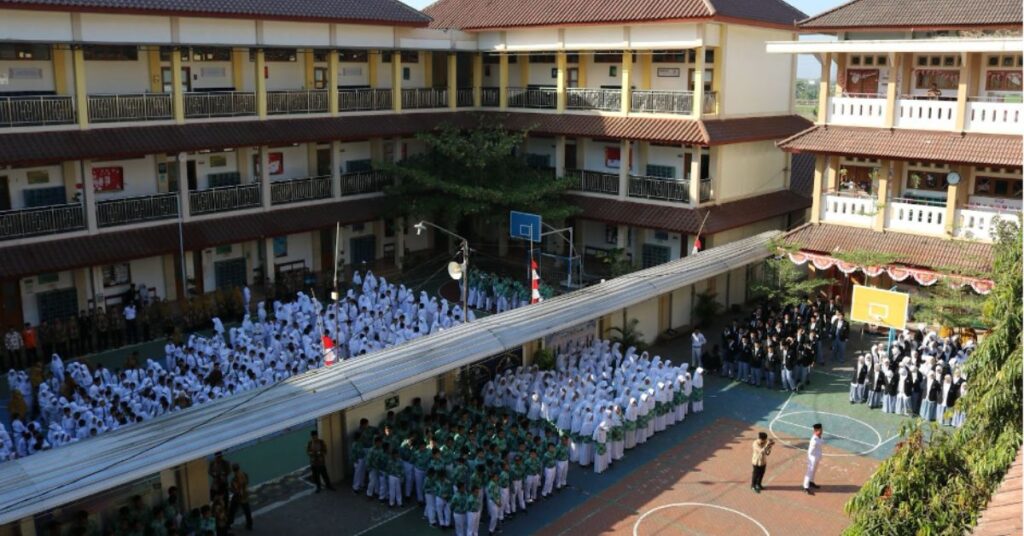
In a move aimed at enhancing the quality of education in Indonesia, the Minister of Basic and Secondary Education, Abdul Matti, conducted a field visit to monitor the progress of the Academic Ability Tests (TKA) for middle school students, where he provided them with effective strategies for tackling exam questions.
During the visit, the minister emphasized the importance of thorough preparation and mental calmness for students, noting that these tests represent an opportunity to showcase their academic abilities. He also highlighted the necessity of supporting students during this crucial period in their educational journey.
Event Details
This initiative comes as part of the Indonesian government's efforts to improve educational quality, as the minister seeks to provide a conducive learning environment that helps students excel. Practical advice was given to students on how to manage their time during exams and how to handle difficult questions.
Additionally, the Minister of Higher Education, Brian Yuliarto, called on universities to grant faculty members one day of remote work each week, aimed at alleviating pressures and improving the quality of higher education. This step is intended to enhance the work-life balance for teachers, which will positively reflect on educational quality.
Background & Context
Indonesia is one of the largest countries in Southeast Asia and faces significant challenges in its educational system, especially in light of the COVID-19 pandemic, which has led to a substantial shift towards distance learning. Studies have shown that students in Indonesia require more support and guidance to achieve academic success.
Historically, Indonesia has relied on traditional education methods, but with technological advancements, the government has begun adopting new approaches that align with modern requirements. Hence, the importance of these initiatives lies in their aim to enhance education and provide a flexible learning environment.
Impact & Consequences
These new policies are expected to improve students' academic performance, enabling them to better benefit from distance learning. Moreover, providing remote work days for teachers will help them manage work pressures more effectively, which will positively impact educational quality.
Furthermore, these initiatives reflect the Indonesian government's commitment to improving the education system, which may attract more investments in this sector. They could also serve as a model for other countries in the region facing similar challenges.
Regional Significance
These educational initiatives in Indonesia hold particular importance for Arab countries, as they can draw lessons from the Indonesian experience in promoting distance learning. Given the challenges many Arab nations face in their educational systems, these policies could inspire the development of new educational strategies.
In conclusion, these steps represent a positive move towards improving the quality of education in Indonesia and underscore the importance of innovation and adaptation to global changes in the field of education.