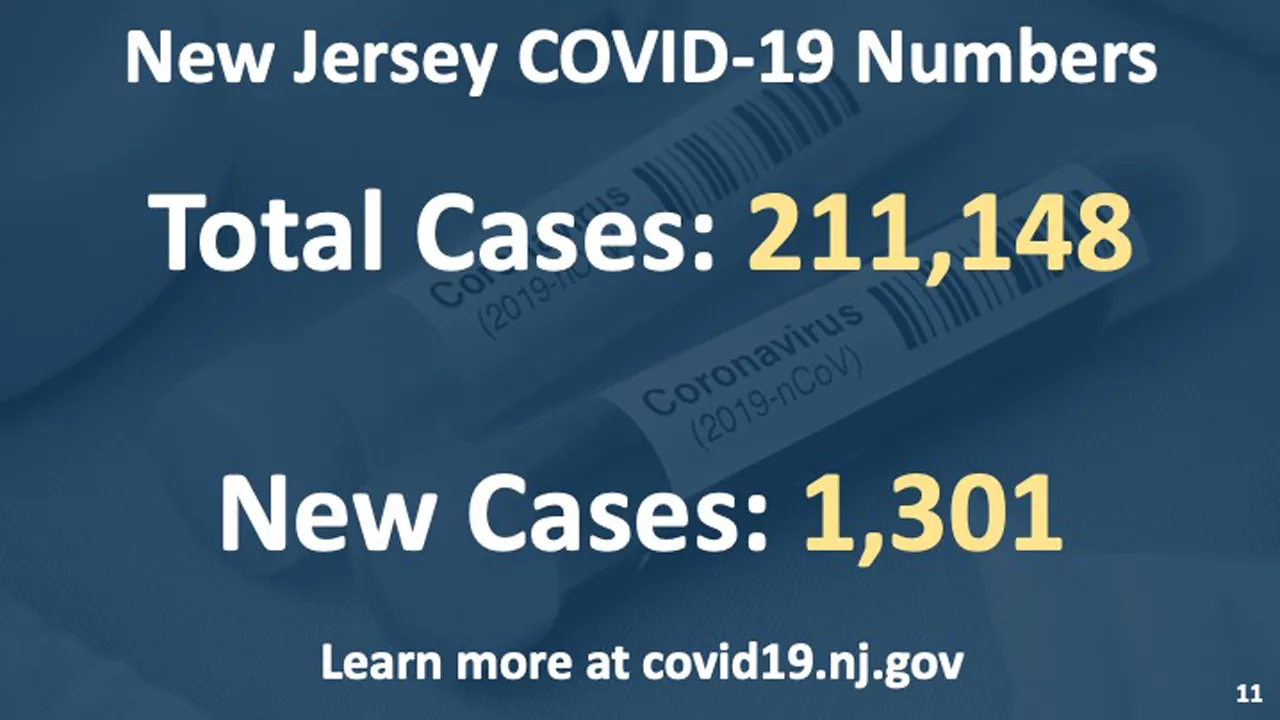
New Jersey is experiencing a significant rise in COVID-19 cases, raising new concerns among health authorities. According to official reports, over 5,000 new cases were recorded in the past week, representing a 20% increase compared to the previous week. This surge comes at a time when calls for stricter preventive measures are growing.
In light of these circumstances, the New Jersey Department of Health has confirmed that hospitals are beginning to experience increased pressure due to the rising number of patients. Officials noted that most new cases are related to mutated strains of the virus, complicating the health situation in the state.
Details of the Situation
The rise in COVID-19 cases in New Jersey is prompting health authorities to implement new measures. Some restrictions have been reimposed, including the mandatory wearing of masks in public places, especially in densely populated areas. Citizens are also being encouraged to receive booster vaccinations, which have proven effective in reducing the severity of the illness.
Reports indicate that the increase in cases comes at a sensitive time as the state prepares for the winter season, which typically sees a rise in respiratory illnesses. Authorities have warned that failure to take preventive measures could exacerbate the health situation.
Background & Context
Since the onset of the COVID-19 pandemic, the United States, and New Jersey in particular, has seen significant fluctuations in infection rates. New Jersey was one of the most affected states during the initial waves of the pandemic, prompting the government to take strict measures to curb the spread of the virus. However, with the emergence of vaccines, the state witnessed a notable decline in cases, but it appears that mutated strains have reverted the situation to what it was.
Historically, New Jersey has been one of the leading states in vaccine distribution, with a large percentage of the population vaccinated. Nevertheless, the new challenges posed by mutated strains may require a reevaluation of the health strategies in place.
Impact & Consequences
The current increase in cases underscores the importance of continuing to take necessary precautions against the virus. This surge may lead to new restrictions on economic and social activities, potentially negatively impacting the economic recovery that the state has experienced in recent months. Additionally, the increasing pressure on hospitals may result in delays in providing healthcare to other patients.
These circumstances require local and federal governments to work together to provide the necessary resources to address this health crisis. Citizens must also adhere to health guidelines to ensure their safety and that of others.
Regional Significance
Arab countries are closely monitoring the developments of the COVID-19 pandemic in the United States, as American experiences serve as a reference for many health policies. With the rise in cases in New Jersey, Arab nations may adopt similar precautionary measures, especially with the winter season approaching and increased travel. Any changes in health policies in the United States could also impact travel and trade between the U.S. and Arab countries.
In conclusion, the COVID-19 pandemic remains a significant challenge that requires global cooperation to address. Everyone, whether in the United States or in Arab nations, must be prepared to face any new challenges that may arise.