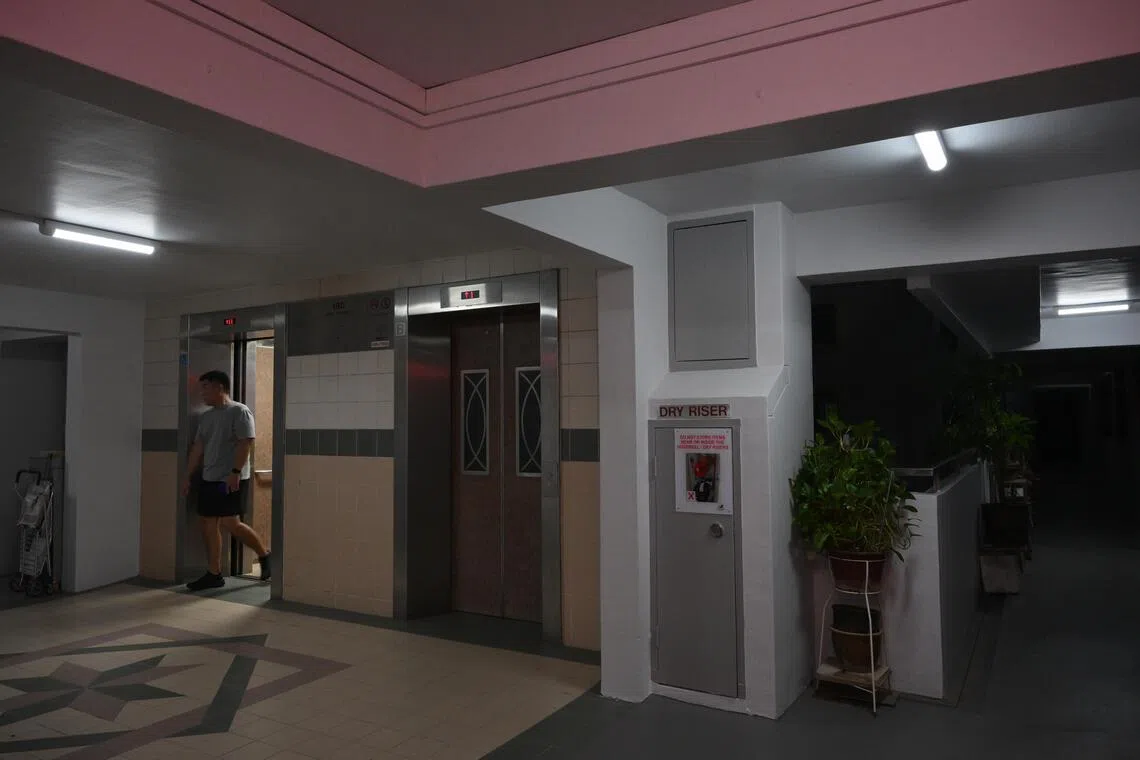
The Taman Jurong area in Singapore has announced the success of an innovative lighting system trial, achieving a reduction in energy consumption by more than 70%. This trial, conducted at the Taman Jurong Community Center and public housing blocks, aims to achieve substantial financial savings amid the ongoing rise in energy prices.
This initiative is part of the Singaporean government's efforts to enhance environmental sustainability and reduce reliance on traditional energy sources. Initial results from the trial indicate that the new system not only helps lower monthly bills but also improves the quality of lighting in the targeted areas.
Details of the Initiative
The trial was implemented at several locations within the Taman Jurong area, where traditional lighting systems were replaced with modern technologies such as LED, which are known for their energy efficiency. Data has shown that these new systems not only contribute to reducing energy consumption but also enhance the lighting quality, thereby increasing residents' comfort.
Smart technologies were also utilized to control the lighting, allowing adjustments to be made according to users' needs. This step reflects the global trend towards using technology to improve energy efficiency.
Background & Context
This trial comes at a time when there is increasing pressure on governments and communities to reduce carbon emissions and shift towards more sustainable energy sources. In recent years, there has been a notable rise in energy prices, prompting many countries to seek innovative solutions to reduce consumption.
Singapore, as a densely populated nation, faces significant challenges in the energy sector. Thus, these initiatives are part of a broader strategy aimed at achieving environmental sustainability and ensuring energy availability for future generations.
Impact & Consequences
The success of the Taman Jurong trial could have positive implications worldwide, as it may encourage other countries to adopt similar technologies. If these systems can achieve significant energy savings, they could serve as a model for other regions facing high energy costs.
Moreover, these initiatives could help raise public awareness about the importance of sustainability, prompting communities to take similar steps in other areas such as transportation and waste management.
Regional Significance
In the Arab region, where many countries are grappling with high energy costs, the Taman Jurong experiment could serve as an inspiration. Many Arab nations have already begun exploring renewable energy sources, such as solar and wind energy, but adopting energy-efficient lighting technologies could be an additional step towards achieving sustainability.
Enhancing energy efficiency can help Arab countries reduce their dependence on fossil fuels, contributing to the achievement of sustainable development goals.
The Taman Jurong experiment represents a significant step towards achieving energy efficiency and could serve as a model for many countries. Given the current environmental and economic challenges, it is crucial for communities to continue seeking innovative solutions to enhance sustainability.