Dr. Khalid Al-Nimr, a cardiology consultant, announced that there are medical tests that can be conducted without the need for fasting, facilitating patients' ability to undergo necessary examinations. Al-Nimr explained that these tests include a range of common examinations whose results do not affect fasting.
In his remarks, Al-Nimr pointed out that many people avoid medical tests due to fasting requirements, which can lead to delays in diagnosing health conditions. With the availability of testing options that do not require fasting, patients can now obtain essential health information without any barriers.
Details of the Announcement
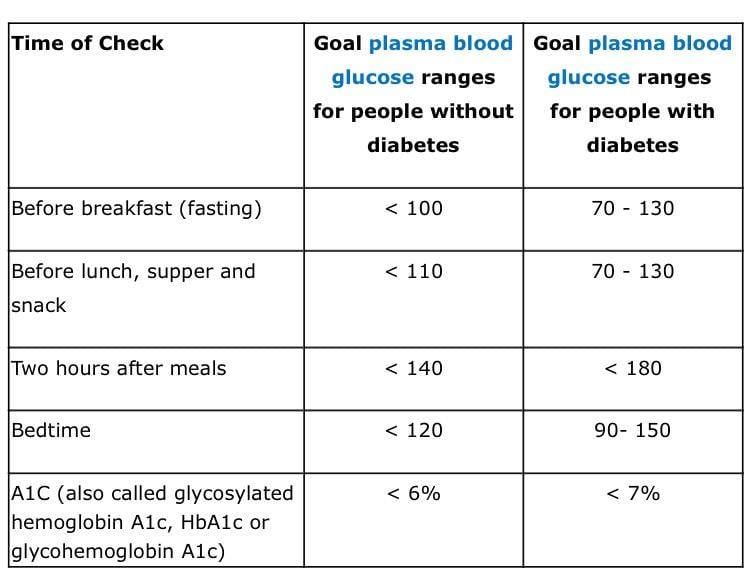
Dr. Al-Nimr revealed the types of tests that can be performed without fasting, such as blood sugar tests and some cholesterol examinations. He confirmed that these tests provide accuracy in results and are not affected by food intake, making them a suitable option for patients with specific health conditions or those who need to undergo regular examinations.
Al-Nimr also clarified that tests requiring fasting include certain examinations, such as triglyceride tests, which may be influenced by food consumption. Therefore, it is important for patients to be aware of the types of tests required before heading to the laboratory.
Background & Context
Medical tests are an essential part of healthcare, as they help diagnose diseases and monitor patients' health conditions. However, fasting requirements can pose a barrier for many, especially those with chronic health issues or the elderly. Thus, providing options for tests that do not require fasting is a positive step towards improving healthcare.
It is noteworthy that this development comes at a time when many Arab countries are witnessing increased efforts to enhance their healthcare systems and facilitate access to medical services. Providing flexible medical testing options can contribute to increasing the rate of regular examinations, thereby improving public health.
Impact & Consequences
The adoption of medical tests that do not require fasting could lead to a significant change in how patients approach medical examinations. With simplified procedures, the number of individuals undergoing regular tests may increase, contributing to early disease detection.
This trend could positively reflect on the healthcare system as a whole, potentially reducing treatment costs resulting from delayed diagnoses. Additionally, raising awareness about the importance of regular examinations may enhance public health and reduce rates of chronic diseases.
Regional Significance
In light of the health challenges facing Arab countries, providing flexible medical testing options is an important step towards enhancing healthcare. Many countries suffer from a lack of health awareness, leading to delays in patients undergoing necessary tests.
Improving access to medical services and simplifying testing procedures can contribute to raising the overall health level in the region. These steps also reflect the commitment of governments and health institutions to improve the quality of healthcare and meet citizens' needs.
In conclusion, Dr. Khalid Al-Nimr's announcement regarding medical tests that do not require fasting is a positive step towards improving healthcare. It is essential for patients to take advantage of these new options to ensure their health and safety.