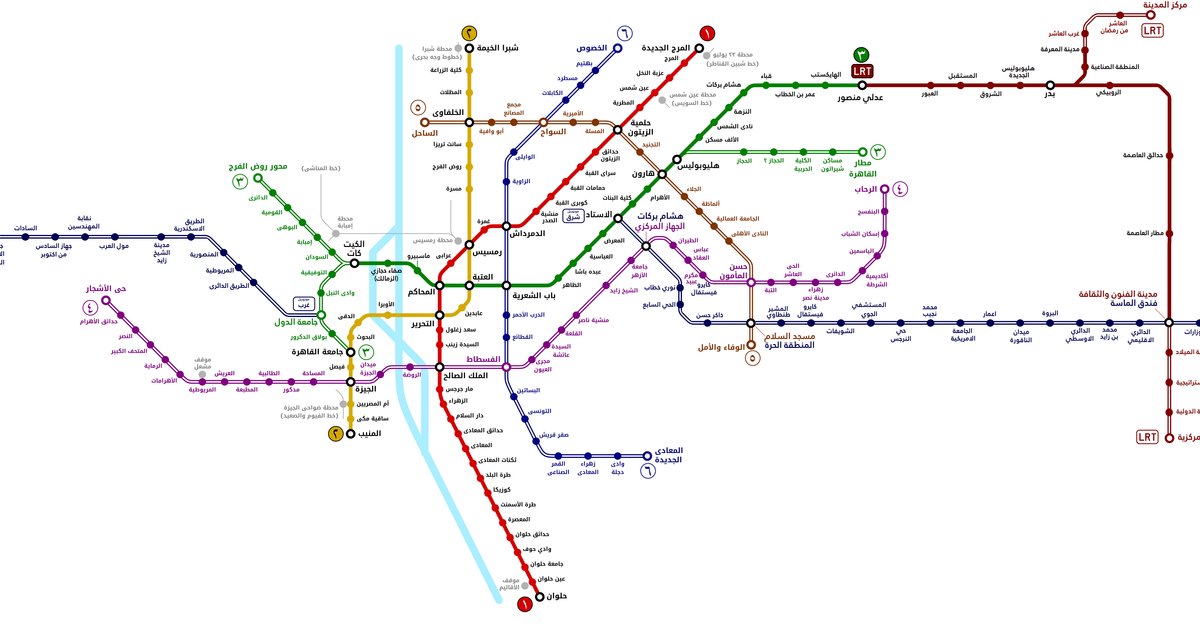
The Egyptian Ministry of Transport has announced a new increase in metro subscription prices, reaching up to 7300 EGP, raising questions about the impact of this increase on public transport users in the country.
This increase comes as part of the government's efforts to improve public transport services and cover rising costs. The new prices were announced during a press conference held by the Minister of Transport, who confirmed that this step aims to develop the metro network and provide better services to citizens.
Details of the Price Increase
According to official data, the new subscription prices include different categories, with the monthly subscription price for regular users set at 7300 EGP, while lower prices have been established for specific groups such as students and seniors. Special discounts have also been announced for groups that regularly use the metro.
The price increase comes after a period of relative stability in subscription prices, which have not been adjusted for several years. This decision has sparked mixed reactions among citizens, with some considering the increase necessary for improving services, while others view it as an additional burden on their finances.
Background & Context
The metro network in Egypt is considered one of the most important means of public transport, serving millions of citizens daily. This network has witnessed numerous updates and expansions in recent years, contributing to improved service levels. However, high operational costs and equipment maintenance require an increase in revenue, which explains the government's decision to raise prices.
It is worth noting that the Egyptian government has taken several steps to improve public transport infrastructure, including developing new metro lines and upgrading stations. However, these efforts require significant funding, placing the government in front of major challenges in managing the budget.
Impact & Consequences
The increase in subscription prices is expected to affect the number of metro users, as some may be forced to seek alternative transport options. This increase may also lead to increased pressure on other means of transport, potentially causing greater congestion on the streets.
On the other hand, this increase could contribute to improving the quality of services provided, as the revenue generated from the increase can be used for the maintenance and development of the network. Therefore, the ultimate impact of this increase depends on how the government manages the resulting revenues.
Regional Significance
The issue of increasing public transport prices is common in many Arab countries, where governments face similar challenges in providing transport services at affordable prices. In some countries, similar steps have been taken to raise prices with the aim of improving services, sparking widespread debate among citizens.
These challenges require cooperation between governments and citizens to find sustainable solutions that ensure the improvement of transport services without placing additional burdens on citizens. In this context, Egypt's experience in managing the metro price increase could serve as a model or lesson for other countries.
In conclusion, the increase in metro subscription prices in Egypt remains a sensitive topic that requires a balance between improving services and alleviating financial burdens on citizens. The government must ensure that this increase is supported by tangible improvements in service quality.