The UN special envoy for Western Sahara, Stefan de Mistura, announced during a closed session of the UN Security Council that there is 'real momentum' and an 'opportunity' to resolve the long-standing conflict surrounding Western Sahara. This announcement has raised numerous questions regarding the seriousness of these statements and whether they signify a genuine breakthrough in the settlement process.
This announcement comes at a sensitive time, as international pressure to find a lasting solution to the decades-long conflict is increasing. These statements could represent a turning point in negotiations, especially with the growing international interest in the issue.
Details of the Announcement
In his speech, de Mistura indicated that there is a real opportunity for progress in negotiations, reflecting a shift in the international stance towards the issue. This statement elicited varied reactions from the concerned parties, with the Polisario Front considering these remarks a positive step, while the Moroccan government expressed caution regarding any moves that might affect its firm position.
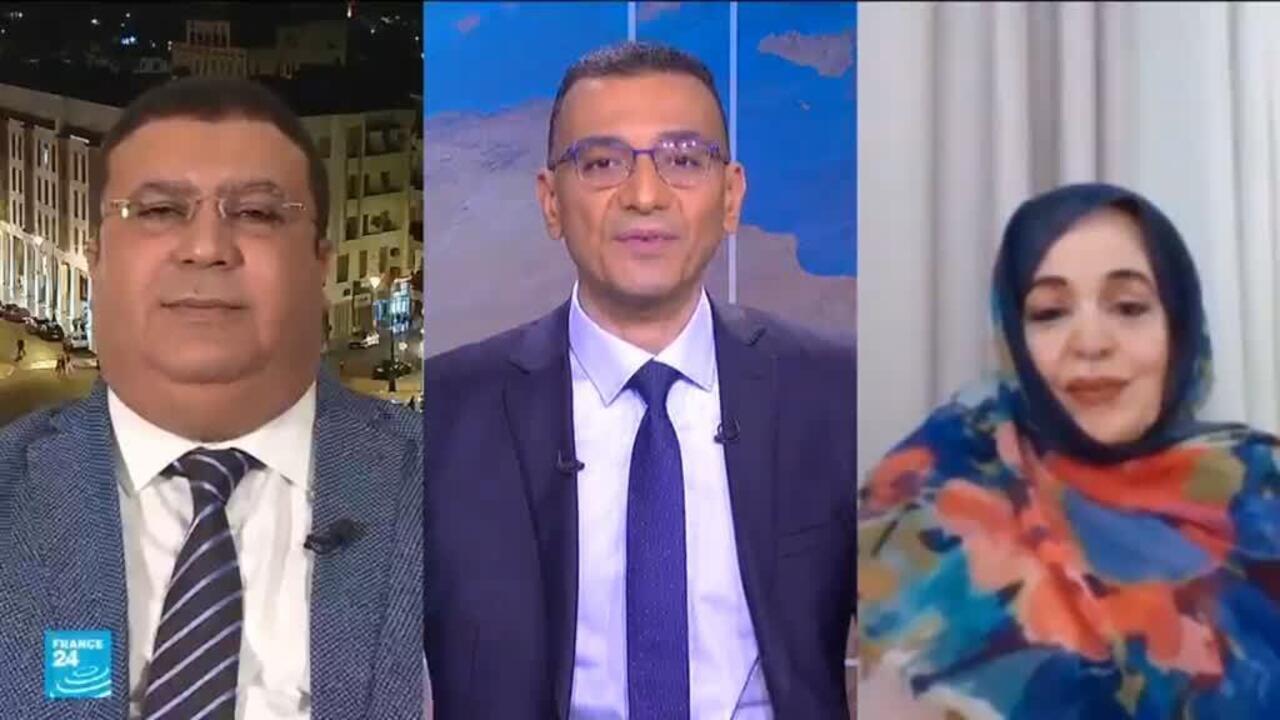
These developments occur at a time when the world is witnessing political and economic transformations, complicating the situation in Western Sahara. In this context, the program 'Face to Face' is hosting prominent guests to discuss the implications of this announcement, including Najat Handi, the representative of the Polisario Front in Switzerland, and Tariq Atlati, the head of the Moroccan Center for Strategic Studies and Research.
Background & Context
The history of the conflict in Western Sahara dates back to the 1970s when Spain withdrew from the region, leading to a struggle between the Polisario Front and Morocco. Since then, the area has experienced ongoing tensions, with multiple attempts to reach a peaceful resolution, but to no avail thus far.
Over the years, there have been numerous international efforts, including UN intervention, but the situation has remained complex due to deep-seated differences among the parties involved. However, de Mistura's recent statements may indicate the possibility of seriously reviving negotiations.
Impact & Consequences
If these statements reflect a genuine movement towards resolution, they could lead to an improvement in the humanitarian situation in the region, which suffers from the consequences of the ongoing conflict. Additionally, any progress in negotiations could contribute to the overall stability of the region, benefiting neighboring countries.
Nevertheless, the question remains about the parties' ability to overcome historical obstacles and reach a lasting agreement. These developments may also affect relations between Morocco and the Polisario Front, necessitating close monitoring by the international community.
Regional Significance
The issue of Western Sahara is considered one of the sensitive matters in the Arab world, impacting relations among Maghreb countries. Any progress in resolving the conflict could open new avenues for cooperation among these nations and enhance regional stability.
At the same time, the continuation of the conflict may exacerbate humanitarian conditions, calling for greater international intervention. Therefore, following these developments remains essential to understanding the various dimensions of the issue.
In conclusion, there is hope that these statements mark the beginning of a new phase in negotiations, leading to a lasting solution that achieves peace and stability in Western Sahara.