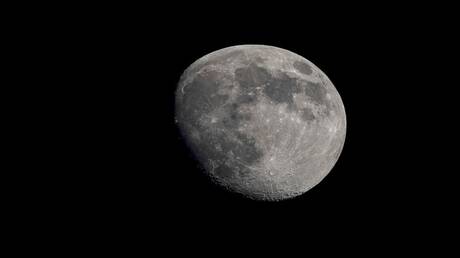
Recent studies on the lunar south pole have uncovered new terrain that could facilitate future spacecraft landings, enhancing opportunities for space exploration. These discoveries come at a time of growing global interest in space exploration, as many countries aim to strengthen their presence in space.
The lunar south pole is considered one of the most significant areas for space research, containing natural resources that may be vital for future missions. Studies have shown that this area features diverse terrain, making it an ideal landing site.
Event Details
The lunar terrain, particularly at the south pole, represents both a challenge and an opportunity. Russian scientists have conducted comprehensive studies using advanced techniques to create accurate maps of this region. Preliminary results indicate the presence of diverse terrain, including mountains, plains, and craters, which opens the door for new exploratory missions.
This research is part of a global effort to explore the moon, with many countries, including the United States, Russia, and China, aiming to send both manned and unmanned missions to the lunar surface. These studies will help identify the safest and most suitable landing sites.
Background & Context
Historically, the moon has been a primary target for space missions for decades. Following the American Apollo program in the 1960s and 1970s, lunar activities declined; however, in recent years, there has been a strong resurgence of interest in the moon as a destination for exploration.
Current efforts include the development of new technologies for landing and residing on the moon, allowing scientists to explore more about the moon's composition and history. The new Russian research fits into these efforts, aiming to provide valuable information about the lunar terrain.
Impact & Consequences
These discoveries could significantly impact future mission plans. The presence of suitable terrain may facilitate landing operations and reduce the risks associated with space missions. Additionally, this research may contribute to the development of new technologies in the field of space exploration.
Furthermore, these findings could pave the way for the exploitation of lunar resources, such as icy water that may exist at the south pole, facilitating the establishment of permanent bases on the moon.
Regional Significance
Although the Arab region is not at the forefront of space exploration, these discoveries highlight the importance of international cooperation in the field of space. Arab countries can benefit from this research by enhancing their space programs and developing partnerships with leading nations in this field.
Moreover, the growing interest in space may encourage Arab youth to engage in science and technology fields, contributing to a brighter future in space exploration.
In conclusion, new research on lunar terrain opens new horizons for space exploration, emphasizing the importance of international collaboration in this field. As developments continue, the moon remains an exciting destination for scientists and explorers alike.