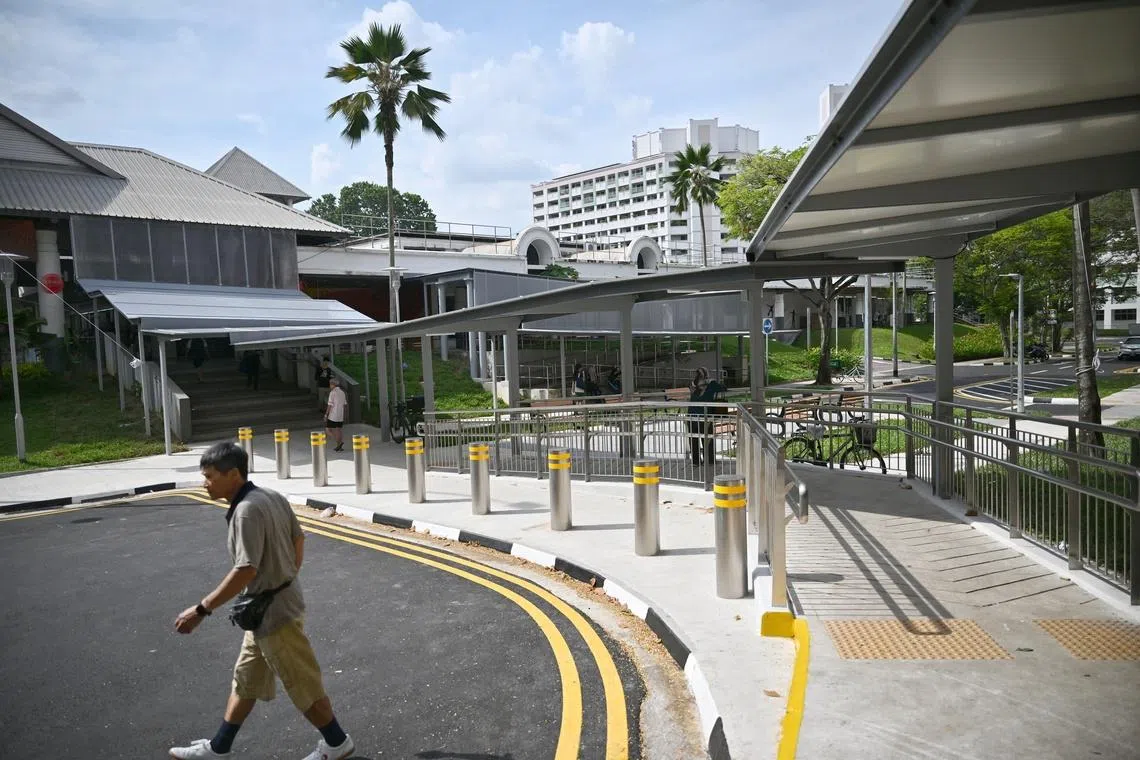
Several lawmakers in Singapore have unveiled new strategies aimed at helping residents adapt to rising temperatures, which include plans to create small forests and shaded walkways. These initiatives come at a time when the country is experiencing a noticeable increase in temperatures, raising concerns among residents about the impacts of climate change.
The plans announced by the lawmakers include providing additional green spaces in urban areas, which helps to mitigate the effects of high heat. The project also aims to raise environmental awareness among residents by organizing awareness events related to the importance of environmental conservation.
Details of the Initiatives
The new initiatives launched by the lawmakers involve creating small forests in residential neighborhoods, where various types of local trees and plants will be planted. These small forests aim to improve air quality and reduce temperatures in surrounding areas. Additionally, shaded walkways for pedestrians will be created, making it easier for residents to navigate during peak heat times.
Furthermore, the government will organize workshops and awareness events for citizens on how to adapt to harsh climatic conditions. These efforts are part of a comprehensive plan to address the environmental challenges facing Singapore.
Background & Context
Singapore is considered one of the countries facing significant challenges due to climate change, having experienced a noticeable rise in temperatures in recent years. According to reports, temperatures in Singapore have increased by an average of 1.5 degrees Celsius over the past decades, affecting residents' lifestyles.
The Singaporean government is striving to implement innovative strategies to tackle these challenges, with these plans representing part of a broader vision aimed at achieving environmental sustainability. Singapore is seen as a model for how to deal with climate change, seeking to balance urban development with environmental preservation.
Impact & Consequences
These initiatives are an important step towards enhancing environmental awareness among residents, as they will contribute to improving the quality of life in urban areas. These plans are expected to reduce energy consumption, as they will lessen the need for air conditioning in buildings.
Moreover, the establishment of green spaces will enhance biodiversity in urban areas, contributing to overall environmental improvement. These plans may also encourage other countries to take similar steps to address climate change.
Regional Significance
Many Arab countries face similar challenges due to rising temperatures and climate change. The initiatives in Singapore serve as a model for Arab countries suffering from harsh climatic conditions. Arab nations can benefit from Singaporean experiences in creating green spaces and developing strategies to adapt to climate changes.
In light of the environmental challenges facing the region, adopting such initiatives can contribute to improving the quality of life and reducing risks associated with climate change.