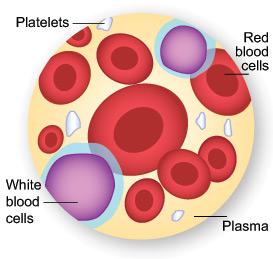
Recent research has revealed that there are biological markers in blood that may serve as indicators of depression. This study, conducted by a team of researchers, highlights the importance of blood tests in diagnosing this mental illness that affects millions of people worldwide.
The findings suggest that analyzing blood components can provide valuable insights into an individual's mental state. Research has shown that certain biomarkers, such as specific levels of proteins and hormones, may be associated with an increased risk of developing depression.
Details of the Study
This study was conducted on a group of participants whose mental health was assessed through comprehensive questionnaires. Blood samples were collected and analyzed to identify biomarkers associated with depression. The results demonstrated a clear relationship between the levels of certain chemicals in the blood and the emergence of depressive symptoms.
These findings come at a time when there is growing interest in understanding the biological and psychological factors that contribute to the development of depression. Researchers hope that this study will aid in developing new methods for early diagnosis and effective treatment of this illness.
Background & Context
Depression is a common mental disorder that affects approximately 264 million people worldwide, according to the World Health Organization. Its symptoms range from persistent sadness to a loss of interest in daily activities. Despite the availability of treatments, many patients do not receive appropriate care due to a lack of awareness or misinterpretation of symptoms.
Historically, depression was considered a purely psychological condition, but recent research has begun to shed light on the biological factors that play a role in its development. This new study adds another dimension to our understanding of this illness.
Impact & Consequences
If these findings are confirmed through further studies, it could lead to significant changes in how depression is diagnosed and treated. Blood tests could help identify patients who need urgent interventions, thereby reducing suffering and improving quality of life.
Moreover, these findings may pave the way for the development of new medications targeting specific biomarkers, potentially leading to more effective treatments with fewer side effects.
Regional Significance
In the Arab region, where stigma surrounding mental health still exists, this study may contribute to changing perceptions about depression. By providing scientific evidence supporting the importance of medical tests, more individuals may be encouraged to seek help.
In conclusion, this study represents an important step towards a deeper understanding of depression and may have positive implications for diagnostic and treatment methods in the future.