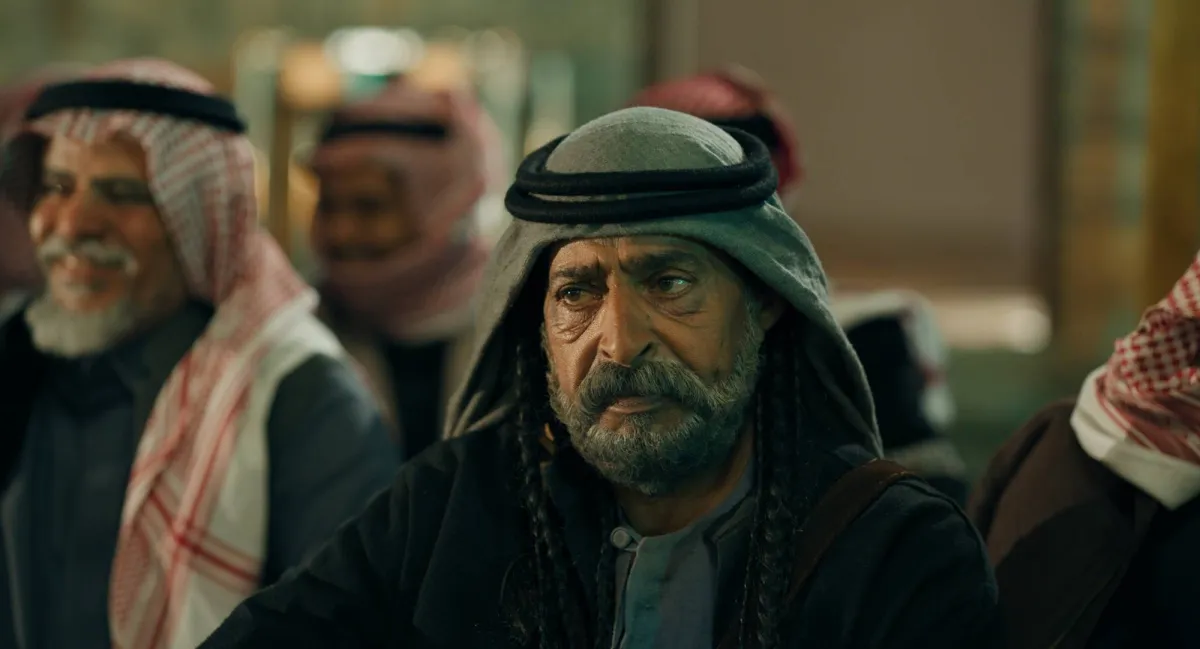
Saudi cinema is currently experiencing a radical transformation, with athletes, poets, and singers participating in dramatic and cinematic works, reflecting a shift in the concept of stardom. This phenomenon is not new to the artistic scene, but it is gaining greater momentum in the Kingdom, where these artists are transcending the boundaries of their original fields.
The participation of retired international football player Saeed Al-Owairan in the film "Rahin" (2025) is a prominent example of this shift. Al-Owairan embodies the character of Abu Ateeq, a gang leader seeking money from the film's hero, Mohammed Al-Dokhi. This character represents a radical departure from his image as an athlete, opening new horizons for him in the world of acting.
Event Details
Al-Owairan's participation received widespread acclaim from the audience, especially following its premiere at the Red Sea International Film Festival in Jeddah, where it was warmly welcomed. The film also achieved significant success on the Netflix platform, topping the list of most-watched works.
Although "Rahin" belongs to the genre of comedy mixed with action, Al-Owairan's performance was balanced, relying on physical presence and vocal tone without exaggeration, which endeared him to viewers.
In another experience, popular poet Mani' bin Shalhat participates in the series "Al-Khalat+", where he showcases his poetic talent in a visual framework that requires physical interaction. His role revolves around guiding another poet who struggles to express himself, reflecting the ability of poets to transition between the arts.
Background & Context
Historically, it has not been common for artists from different fields to intersect in cinematic works, but this phenomenon reflects a desire for renewal and innovation in the Saudi film industry. The participation of a singer like Abdulaziz Faisal in the film "Hijir", currently showing in cinemas, represents a new step towards integrating music with acting.
"Hijir" tells the story of a young man striving to achieve his dream of becoming a maestro despite his disability, highlighting the challenges faced by artists in their fields. This type of storytelling reflects the social and cultural changes in the Kingdom, where art is seen as a means of expressing identity and challenges.
Impact & Consequences
These phenomena contribute to redefining the concept of stardom, as it is no longer tied to a single field; artists can now transition between multiple domains. This shift also reflects changes in how audiences receive artistic works, moving from curiosity to evaluation based on performance.
The experiences of Al-Owairan, bin Shalhat, and Abdulaziz Faisal represent a new model for artists in the Arab world, where they can leverage their fame in their original fields to enter the world of cinema and drama. This type of collaboration between different arts enhances the appeal of artistic works and attracts a new audience.
Regional Significance
These phenomena transcend the borders of the Kingdom, potentially inspiring artists in other Arab countries to explore new fields. They also reflect a desire for renewal and innovation in the Arab film industry, which may lead to the emergence of new artistic works that reflect the cultural diversity in the region.
In conclusion, these phenomena reflect a transformation in the concept of stardom and art in the Arab world, opening new horizons for both artists and audiences alike.