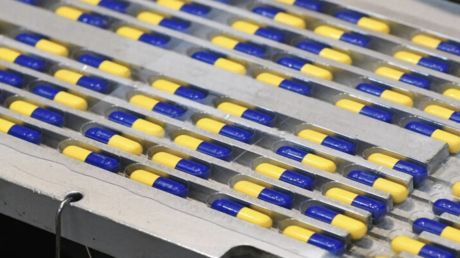
Pharmaceutical companies in both Germany and Switzerland have warned that the new US tariffs imposed on drug products represent a real threat to production sites in Europe. These tariffs, recently announced, could lead to increased costs and new challenges for European companies, raising questions about their ability to compete in the global market.
These warnings come at a sensitive time, as European pharmaceutical companies seek to enhance their production capabilities and research and development in light of global economic challenges. Companies have confirmed that the new tariffs could lead to a reduction in investments in the pharmaceutical sector, which would negatively affect innovation and reduce the ability to provide affordable medications.
Details of the New Tariffs
The new tariffs imposed by the United States cover a wide range of pharmaceutical products, increasing the financial burden on European companies. Officials from pharmaceutical companies have indicated that these tariffs could lead to higher drug prices in European markets, adversely affecting patients and consumers.
They also confirmed that these tariffs might necessitate a reevaluation of production and distribution strategies, as companies may be forced to relocate some of their operations to other countries to avoid tariffs, threatening the survival of many jobs in Europe.
Background & Context
Historically, trade relations between the United States and Europe have experienced recurring tensions, particularly in the fields of technology and industry. With the escalation of trade disputes, tariffs have become a tool used by countries to protect their local industries. In this context, the pharmaceutical industry is one of the sectors most affected by these policies.
Germany and Switzerland are considered leading countries in the pharmaceutical industry, hosting many major companies that contribute to the development of modern medications. However, the challenges posed by US tariffs may affect their ability to continue innovating and delivering new products.
Impact & Consequences
Companies expect that the new tariffs will lead to a reduction in investments in research and development, negatively impacting innovation in the pharmaceutical industry. This could result in delays in the launch of new drugs, affecting patients who need effective treatments.
Furthermore, the increase in costs may lead to higher drug prices, placing an additional burden on healthcare systems in Europe. Amid current economic crises, patients may find it difficult to afford medications, increasing the challenges faced by governments in providing healthcare.
Regional Significance
The European pharmaceutical industry is a primary source for supplying medications to the Arab region. Therefore, any impact on this industry could reflect on the availability of drugs in Arab markets. If drug prices rise due to US tariffs, consumers in Arab countries may face difficulties in obtaining medications at affordable prices.
Additionally, the challenges faced by European companies may affect cooperation between Arab countries and Europe in the field of pharmaceuticals, necessitating a reevaluation of partnership and cooperation strategies.
In conclusion, these developments highlight the importance of monitoring global trade events and their impact on vital industries, such as the pharmaceutical industry, which plays a crucial role in the health of communities.