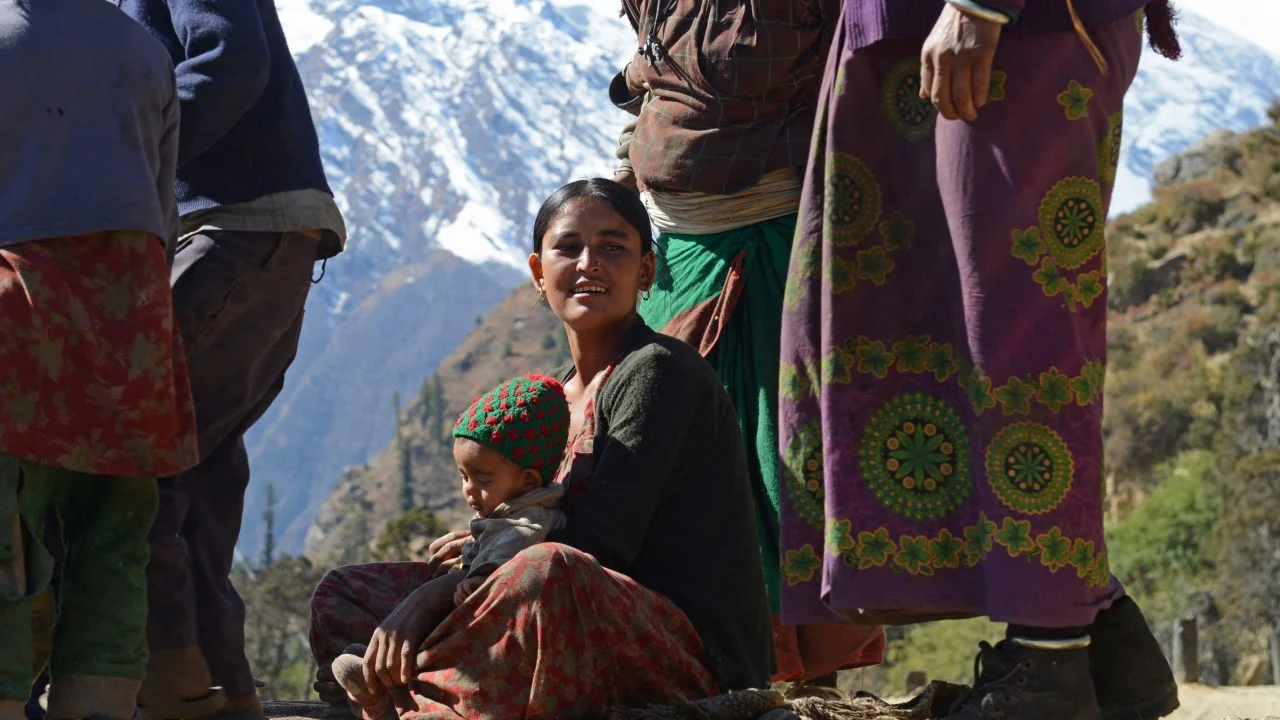
The new Nepali government, under the leadership of Prime Minister Balendra Shah, has made a formal apology to the Dalit community, historically recognized as one of the marginalized groups in Nepali society. This apology, deemed the first of its kind, comes after decades of social and economic discrimination faced by members of this community, who were often considered "untouchables."
The story of Saraswati Nepali, who has suffered discrimination since childhood, reflects the plight of many within the Dalit community. She was forced to walk for twenty minutes to return home to drink water, as she was not allowed to use the same water container as her schoolmates. This experience highlights the painful reality endured by many in Nepal, where Dalits are often regarded as inferior.
Details of the Apology
During a press conference, Prime Minister Balendra Shah announced that the government would issue a formal apology to the Dalit community, a gesture considered a historic step towards acknowledging the injustices faced by this group. The government also pledged to take tangible steps to improve the conditions of Dalits, including providing educational and employment opportunities and enhancing their civil rights.
This apology comes at a sensitive time, as the international community seeks to promote human rights and equality worldwide. This announcement is seen as a sign of positive change in Nepal, which has a long history of class and social discrimination.
Background & Context
Historically, Dalits in Nepal have been marginalized, facing social and economic discrimination for decades. In the traditional caste system, Dalits are placed at the bottom of the social hierarchy, leading to the deprivation of many basic rights. In recent years, Nepal has witnessed social movements aimed at achieving justice and equality, yet challenges remain.
Despite the progress made, the Dalit community continues to experience discrimination in various fields, including education, health, and economic opportunities. Therefore, the official apology from the government is seen as an important step towards addressing these issues.
Impact & Consequences
The Nepali government's apology is a significant step towards achieving social justice and may encourage other countries facing similar issues of class discrimination. This apology could enhance awareness of human rights in Nepal and inspire further social movements aimed at achieving equality.
Moreover, this apology may strengthen the position of the Nepali government in the international community, demonstrating its commitment to human rights and equality. Conferences and seminars are expected to be held to discuss how to promote the rights of Dalits in Nepal, potentially contributing to the improvement of their conditions.
Regional Significance
Although Nepal is far from the Arab region, the issue of human rights and equality is a significant topic worldwide. Arab countries can learn from Nepal's experience in addressing social discrimination issues, as some Arab communities face similar challenges related to class or ethnic discrimination.
Promoting human rights and equality is a fundamental issue that must be addressed globally, including in the Arab region. The Nepali government's apology could inspire Arab communities to work towards achieving justice and equality.