The UK’s National Health Service (NHS) has revealed a two-day delay in reporting a meningitis outbreak, raising significant concerns among health experts. The incident began when a patient was admitted to Queen Elizabeth Hospital in Margate on Wednesday, March 11, but the UK Health Security Agency (UKHSA) was not notified until two days later, impacting health authorities' ability to trace contacts.
The delay in reporting the case was deemed unjustified, as suspected cases are supposed to be reported immediately according to the Health Protection Regulations of 2010. East Kent Hospital, which manages the concerned hospital, admitted that it missed the opportunity to report the case early, waiting for an official diagnosis.
Details of the Incident
On Friday, March 13, the UKHSA was informed of the case, but by that time, several patients were already exhibiting similar symptoms. Reports indicate that 23 suspected cases involving young people and adolescents were admitted, resulting in the deaths of two individuals and the admission of four others to the intensive care unit. Data showed that ten people had developed symptoms between the admission of the first case and the public warning issued by the UKHSA on the evening of Sunday, March 15.
Dr. Des Holden, acting CEO of East Kent Hospital, acknowledged that there was an opportunity to report the case before obtaining the official diagnosis, emphasizing the importance of rapid reporting to identify contacts and provide preventive treatment.
Background & Context
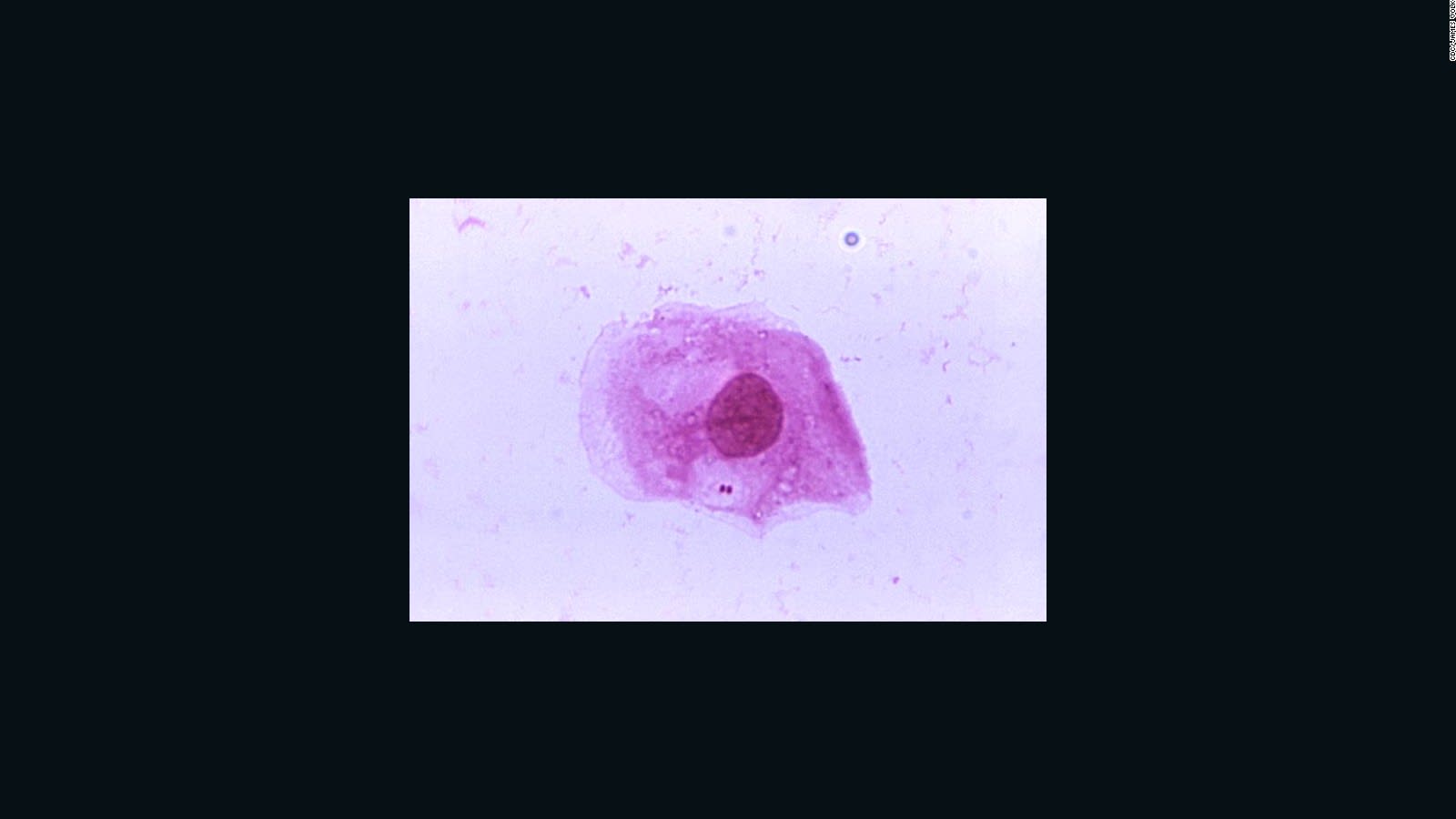
Meningitis is a serious disease that can lead to severe complications such as limb loss, blindness, or brain injuries. It is classified as a notifiable disease, requiring hospitals to inform health authorities of any suspected cases without waiting for test results.
Historically, the UK has experienced similar outbreaks, where rapid response was crucial to curtailing the spread of infection. In this case, the delay in reporting significantly impacted health authorities' ability to manage the situation effectively.
Impact & Consequences
Experts have criticized the delay in reporting, stating that it could jeopardize the lives of many individuals. Professor Paul Hunter, an infectious disease expert, confirmed that the delay in reporting cases is unjustified, as any suspected case should be reported immediately. He added that informing young people about the outbreak could help them seek treatment early, increasing their chances of survival.
Furthermore, the delay in reporting may affect public trust in the health system, as people may feel unsafe seeking necessary healthcare during crises.
Regional Significance
While this incident may appear to be confined to the UK, the lessons learned could be of significant importance to Arab countries. Given the increasing health challenges, it is crucial to have a rapid and effective response to any outbreaks of infectious diseases. Delays in reporting cases can lead to further outbreaks, placing additional strain on health systems.
Ultimately, there must be lessons learned from this incident to ensure that such mistakes are not repeated in the future, whether in the UK or elsewhere.