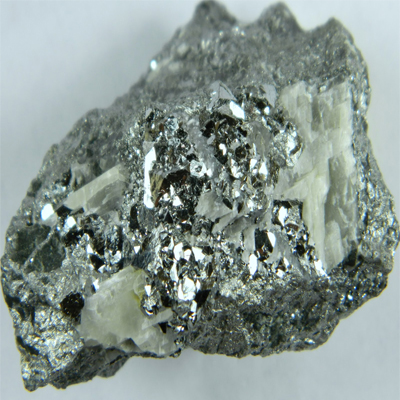
Nickel prices have seen a significant increase in global markets today, with the most traded contracts on the Shanghai exchange rising by 3.55% to reach 150,000 yuan (approximately 21,965.79 dollars) per ton, marking the highest level for the metal since January 2024. This surge comes amid growing concerns about supply shortages resulting from production cuts in Indonesia, the world's largest nickel producer, alongside a severe sulfur availability crisis due to conflict in the Middle East.
On the London Metal Exchange, the benchmark nickel contracts (three-month delivery) increased by 1.7% to reach 19,335 dollars per ton, the highest level since June 4, 2024. However, these contracts saw a reduction in gains to 1.45%, reflecting the current market volatility.
Details of the Event
This price increase follows the announcement by mining company Eramet to halt production at its mine in Indonesia starting next month. This decision comes at a sensitive time as the Indonesian government has set nickel ore mining quotas for 2026 at levels significantly lower than the previous year, raising concerns about the supply of this vital metal.
Indonesia is a key player in the global nickel market, contributing significantly to global production. With the rising demand for nickel in the electric battery industry, any reduction in output could lead to substantial price increases.
Background & Context
Historically, nickel prices have experienced significant fluctuations, having risen sharply in recent years due to increasing demand from the electric vehicle sector. However, any changes in production or government policies in producing countries can directly impact prices.
Indonesia is a major hub for nickel mining and has taken steps to reduce production in an effort to protect the environment. This could lead to supply shortages, driving prices higher in global markets.
Impact & Consequences
The increase in nickel prices could have widespread effects on industries that rely on this metal, including the battery and automotive sectors. Rising prices may negatively impact production costs, potentially leading to higher prices for end products.
Moreover, this increase could affect investments in the mining sector, as investors may hesitate to inject more funds into new projects amid uncertainty regarding prices and production.
Regional Significance
In the Arab region, rising nickel prices may impact local industries that depend on this metal, such as the automotive and battery manufacturing sectors. Additionally, higher prices may prompt some countries to seek alternatives or boost local production.
In conclusion, the situation in nickel markets remains under observation, with analysts expecting price fluctuations to continue under current conditions. It is crucial to monitor developments in Indonesia and their impact on the global market.