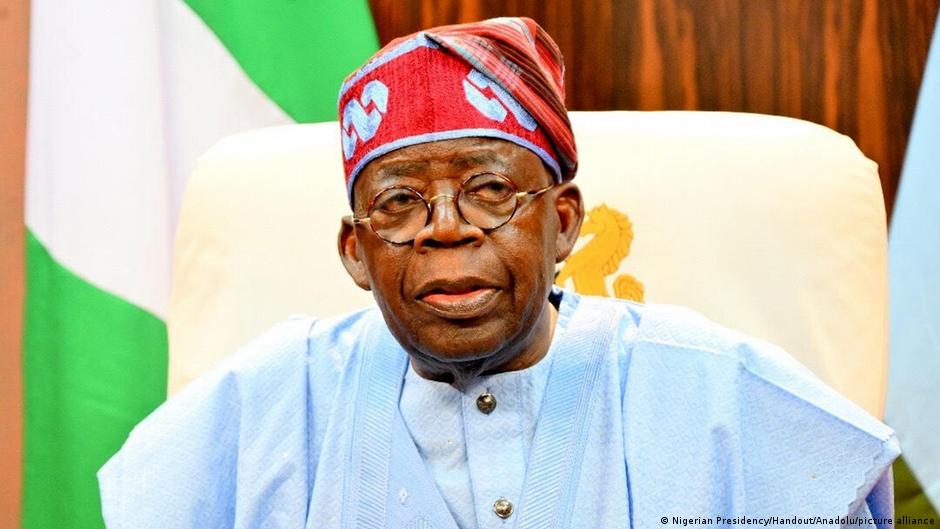
Nigeria is currently facing increasing challenges under the leadership of President Bola Ahmed Tinubu, with political and security crises intensifying across the nation. As the 2027 general elections approach, millions of Nigerians are enduring difficult living conditions, while Tinubu attempts to restore public confidence through changes within his government.
In recent weeks, accusations of treason have been leveled against six current and former security officials, raising new concerns about the stability of the government. This case is considered one of the most serious treason-related issues since Nigeria returned to civilian rule in 1999, coinciding with a rise in coups across West and Central Africa.
Details of the Current Situation
The crises facing Tinubu are manifold, ranging from treason allegations to ongoing violence perpetrated by armed groups in various regions. Analysts have pointed out that the government has failed to fulfill its key promises, leading to an erosion of public trust. Political analyst Ayoade Adeyemo states, "They are either incompetent, unprepared, or there are unsuitable individuals leading various agencies and ministries."
Concerns are mounting that the government may lose its legitimacy, a dangerous trend for any democracy. Simultaneously, the security situation continues to deteriorate, with rural communities suffering from violence that impacts their daily lives and undermines local economies.
Background & Context
Nigeria's political history is fraught with challenges, having experienced numerous military coups and internal conflicts. Since its return to civilian rule in 1999, Nigeria has endeavored to build strong democratic institutions, yet ongoing crises threaten these efforts. Although the government asserts that democratic institutions remain stable, the treason allegations reflect discontent among the elite within the security establishment.
As elections draw near, pressure on the government is increasing, with opposition groups reorganizing and forming new alliances. In this context, Tinubu has dismissed the Minister of Finance, indicating that further ministerial changes may be forthcoming.
Impact & Consequences
The daily lives of Nigerians are significantly affected by security and economic crises. Rising food prices due to attacks on transportation routes and agricultural communities exacerbate citizens' suffering. A business manager in Lagos comments, "It seems that politicians are disconnected from the reality of the citizens, as prices soar and people cannot afford basic necessities."
Analysts emphasize that the impact of insecurity is most acute in rural areas, where violence reshapes daily life and undermines long-term development. Political and security instability could worsen economic conditions, increasing pressure on the government.
Regional Significance
The crises in Nigeria hold particular significance for the Arab region, as they could affect regional stability. The rise in coups in West Africa may alarm Arab nations seeking to maintain their own stability. Additionally, Nigeria's deteriorating economic conditions could impact trade and investments with Arab countries.
In conclusion, Nigeria requires an effective response to the crises it faces, as success in addressing these challenges will have a profound impact on the country's future and the stability of the region as a whole.