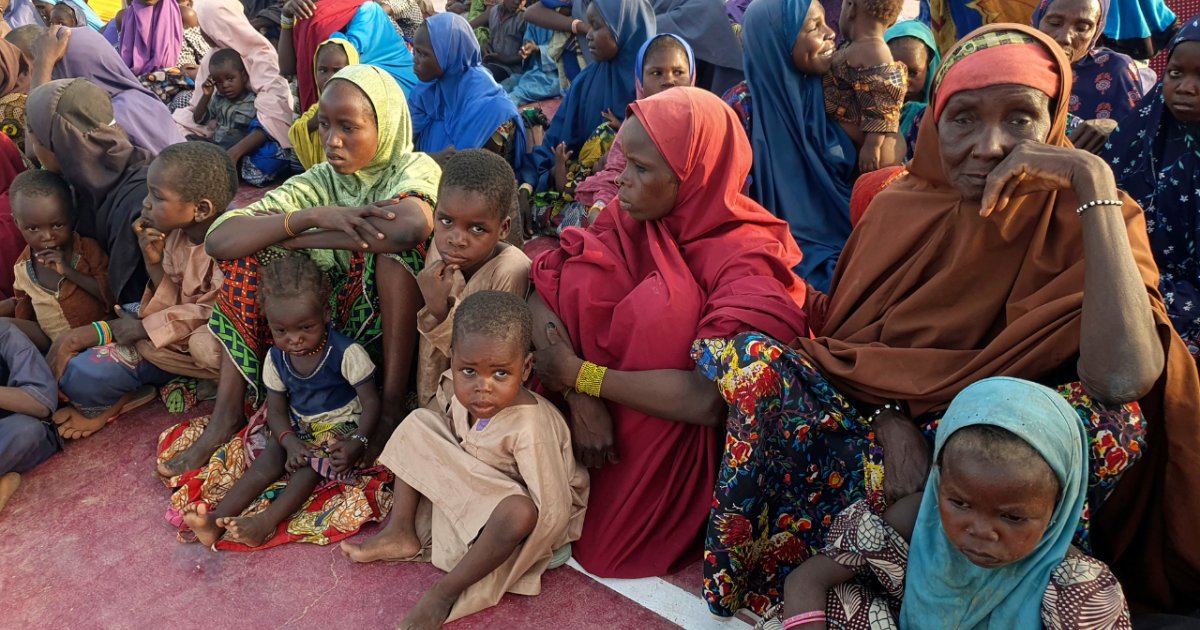
In a significant operation, the Nigerian army managed to rescue 31 hostages who had been held captive following an armed attack on a church in northern Nigeria. The attack took place late last night when gunmen stormed the church during a service, causing panic among worshippers.
This operation comes at a time when attacks on places of worship in Nigeria are on the rise, with militants targeting Christians in various regions of the country. A spokesperson for the Nigerian army confirmed that special forces conducted a successful rescue operation, freeing the hostages without any injuries among them.
Details of the Incident
The attack, which occurred in Katsina State, resulted in several individuals being taken hostage, including children and women. Military forces were immediately summoned to control the situation. According to reports, the assailants had stormed the church after worshippers had gathered for prayer, leading to chaos and fear.
The military operation involved the use of drones and armored vehicles, taking several hours for the forces to reach the location where the hostages were held. After their liberation, the hostages were transported to a safe location to receive necessary medical and psychological care.
Background & Context
Historically, Nigeria has seen a rise in violence linked to religious and ethnic conflicts, with armed groups from various faiths operating in the region. In recent years, attacks on churches and mosques have increased, raising international concern about the security situation in the country.
Katsina State is one of the areas experiencing significant security tensions, with repeated attacks on civilians. The Nigerian government faces substantial challenges in combating these armed groups, which exploit poverty and unemployment to expand their influence.
Impact & Consequences
The rescue of the hostages represents a positive step in the Nigerian government's efforts to enhance security, but it also highlights the urgent need for improvements in the country's security conditions. The recurring attacks on places of worship indicate a deeper crisis related to social and political stability.
The repercussions of this attack may increase pressure on the Nigerian government to take more effective measures against terrorism. Additionally, such events could affect relations between different communities in Nigeria, heightening tensions between Muslims and Christians.
Regional Significance
The events in Nigeria hold particular importance for the Arab region, reflecting the security challenges faced by many countries. The religious and ethnic tensions in Nigeria may serve as a model for what is happening in other parts of the Arab world, where conflicts are escalating due to religious differences.
Although the situation in Nigeria may seem distant from the Arab world, the psychological and social impact of these events can extend to Arab communities, necessitating international cooperation to address these challenges.