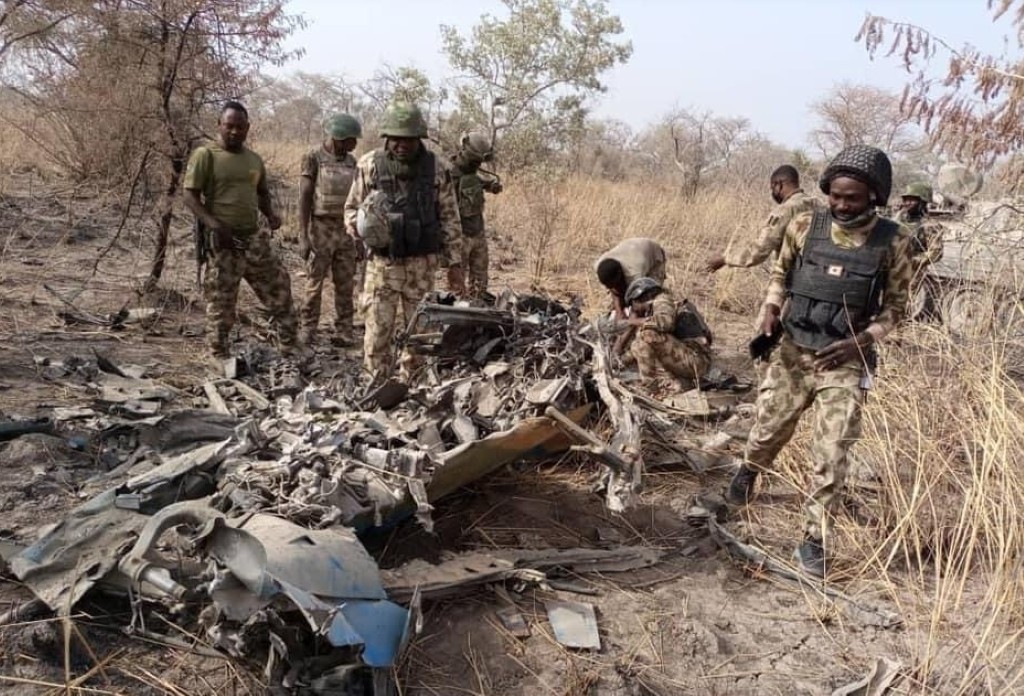
Nineteen members of the Nigerian security forces were killed in an armed ambush in the northeast of the country, in an incident that reflects the rising violence in the region. The attack occurred during an operation aimed at pursuing armed groups that have been active in the area, where clashes between government forces and militants have intensified recently.
This incident is considered one of the deadliest in the region, as the Nigerian government seeks to regain control over areas held by armed groups. Reports indicate that the attack took place in Borno State, which is a stronghold of the militant group Boko Haram, which continues to carry out attacks against both government forces and civilians.
Details of the Incident
According to local sources, Nigerian forces were conducting a military operation targeting the positions of armed groups when they were ambushed. The attack resulted in the deaths of 19 soldiers and injuries to several others, reflecting the significant challenges the government faces in combating terrorism in the region.
This attack comes at a sensitive time, as the Nigerian government had announced plans to enhance security in the northeast, yet recent events indicate that the situation remains precarious. Military reinforcements have been sent to the area in an attempt to regain control.
Background & Context
Historically, Nigeria has witnessed a rise in violence since 2009, when Boko Haram began launching attacks against the government. Since then, the region has turned into a battleground between government forces and militants, leading to the deaths of thousands and the displacement of millions.
The reasons for the escalation of violence in northeastern Nigeria are manifold, including poverty, unemployment, and weak local governance. Additionally, there are social and cultural factors that support armed groups, making it difficult for the government to achieve stability in the region.
Impact & Consequences
The repercussions of this attack will be significant for security in Nigeria, as it is expected to lead to an escalation of military operations against armed groups. Furthermore, this incident may negatively impact the government's efforts to restore trust among local populations, who are suffering from the effects of ongoing violence.
Moreover, the increase in violence could exacerbate humanitarian conditions in the region, where many residents are facing food and healthcare shortages. Humanitarian organizations have warned that the situation could worsen if urgent measures are not taken.
Regional Significance
Given the conditions in northeastern Nigeria, events there may affect regional security. The rise in violence in Nigeria could encourage militant groups in other parts of Africa, thereby increasing security threats in the Arab region as well.
Additionally, the deteriorating humanitarian situation in Nigeria could lead to an increased flow of refugees into neighboring countries, placing additional pressure on the governments in those nations. This situation necessitates international coordination to address the security and humanitarian challenges in the region.
In conclusion, the situation in northeastern Nigeria remains complex, requiring integrated efforts from the government and the international community to achieve stability and security in the area.