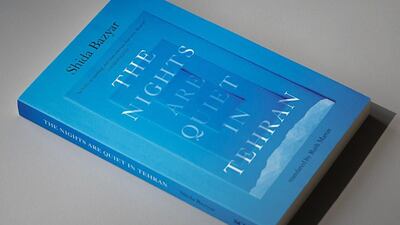
The International Booker Prize has nominated the novel 'Quiet Nights in Tehran' by exiled Iranian author, reflecting the influence of literature on migration and asylum issues. The novel highlights the experiences of Iranians under difficult political circumstances, addressing themes of identity and belonging in times of exile.
This nomination comes at a time when the world is witnessing an increase in the number of refugees and migrants, as the novel reflects the suffering of many individuals who are forced to leave their homelands in search of safety and freedom. The book has garnered interest from both critics and the public alike, being considered one of the prominent literary works that reflect a complex reality.
Event Details
The International Booker Prize is one of the most prestigious literary awards in the world, awarded annually for the best literary works translated into English. 'Quiet Nights in Tehran' was selected from a range of distinguished works, underscoring the importance of literature in conveying the experiences and cultures of peoples.
The novel, written by the exiled Iranian author, tackles multiple themes related to identity and alienation, providing a profound insight into life in Iran under a repressive regime. It also reflects the challenges faced by Iranians abroad, making it a literary work closely related to the current reality.
Background & Context
Historically, Iran has undergone numerous political and social transformations that have led many intellectuals and writers to emigrate. Since the Islamic Revolution in 1979, many Iranians have faced political repression, prompting them to seek safe havens in other countries. This novel comes as part of this context, reflecting the experiences of individuals living in exile.
Iranian literature in exile has proven its ability to express the complex issues facing Iranian society, and 'Quiet Nights in Tehran' is a vivid example of this. Through personal storytelling, writers can convey powerful messages about identity and belonging.
Impact & Consequences
The nomination of the novel for the International Booker Prize may contribute to raising awareness about migrant and refugee issues, enhancing the significance of literature as a means of expressing human suffering. This nomination can also open doors for further discussions regarding human rights and individual freedoms in Iran.
Literature can be a powerful tool for social change, and by highlighting the experiences of Iranians, the novel can contribute to fostering dialogue about political and social issues in the region. Moreover, this type of literature can inspire other writers to address similar topics, thereby enriching the diversity of literary voices.
Regional Significance
Migrant and refugee issues are significant topics affecting many Arab countries, where the region is also experiencing a large influx of refugees due to conflicts and wars. The novel 'Quiet Nights in Tehran' can serve as an inspiration for Arab writers to tackle similar issues, promoting understanding among different cultures.
Furthermore, literature can help build bridges of communication between peoples, as the experiences of Iranians in exile can reflect similar experiences in Arab countries. This type of literature enhances awareness of shared humanitarian issues, contributing to solidarity among peoples.
In conclusion, the nomination of 'Quiet Nights in Tehran' for the International Booker Prize is not just a literary achievement, but also a call to reflect on migration and asylum issues, reflecting the importance of literature in conveying the experiences and challenges of peoples. In a world increasingly marked by tension and conflict, literature remains a tool for change and understanding.