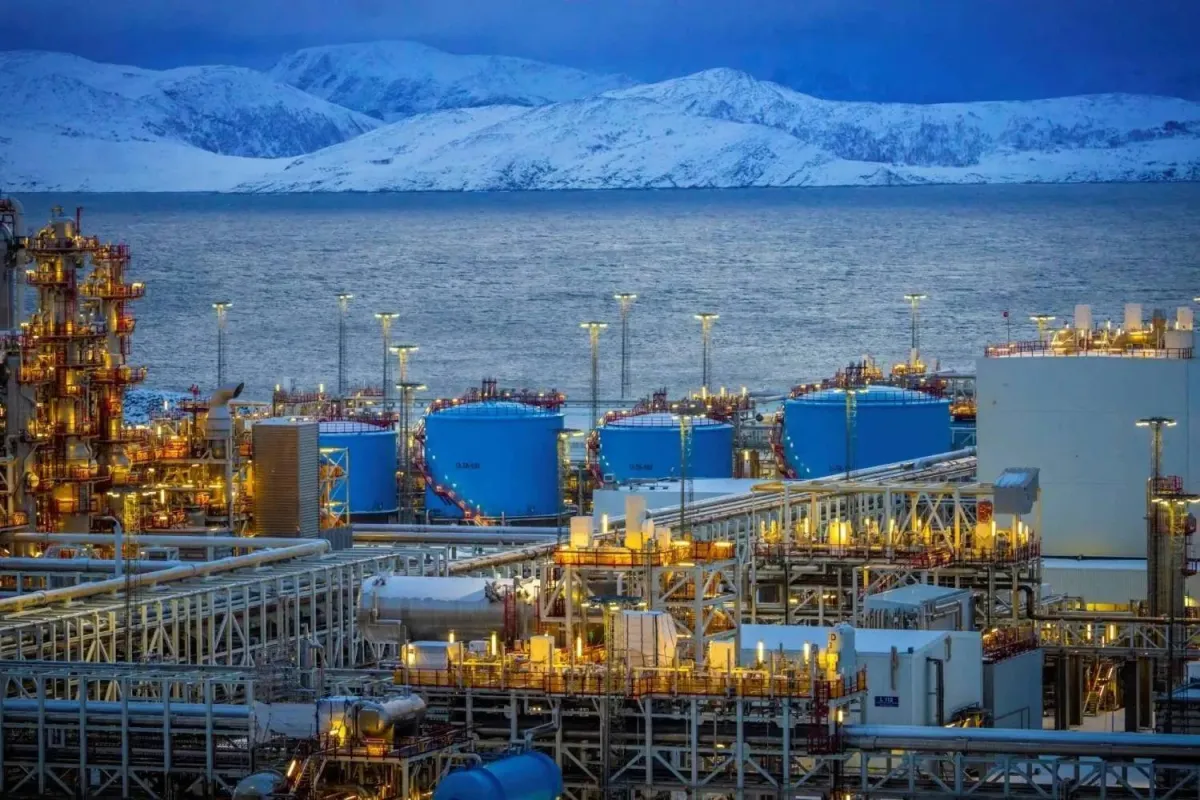
The industrial group 'Offshore Norway' has announced that oil and gas production in Norway may face a significant decline, reaching 45,500 barrels of oil equivalent per day, starting Friday, if the strike planned by workers is executed. This decrease represents more than 1% of the country's total production.
These developments come after three labor unions declared their intention to strike, with about 8% of offshore oil and gas workers in Norway planning to join the strike starting from June 5, should government mediation on wages fail in the coming days. The unions have not ruled out the possibility of escalating the strike later.
Details of the Event
Norway produces over 4 million barrels of oil equivalent daily, nearly evenly split between crude oil and natural gas. Any reduction in production could significantly impact global markets, especially given the declining output in the Middle East due to the tense situation there.
The three unions, representing around 8,100 members, clarified that more than 600 of them will participate in the first phase of the strike if negotiations fail. A spokesperson for one of the unions confirmed that their members hold vital positions in offshore facilities, meaning the strike could have a substantial effect on production.
Background & Context
The fields and platforms that will be affected by the strike include 'Statfjord A', 'Ola', 'Draugen', 'Ekofisk', as well as 'Osberg B' and 'East'. Major operating companies such as Equinor, BP, Aker, and ConocoPhillips are expected to be impacted.
The labor unions are seeking wage increases that exceed the inflation rate, along with other adjustments to contracts, but specific details about their demands have not been disclosed. The ongoing negotiations involve most workers in Norway's oil and gas facilities.
Impact & Consequences
The Norwegian Ministry of Labor can intervene to halt the strike if it deems that exceptional circumstances exist or that vital national interests are at risk. If the strike proceeds, it may lead to price increases in global markets, particularly given the instability in the Middle East.
Global markets are closely monitoring these developments, as any decrease in Norwegian production could increase pressure on prices at a time when the world is experiencing fluctuations in energy supplies.
Regional Significance
Norway is one of the main energy sources for Europe, and any decline in its production could affect market balance, potentially impacting prices in Arab countries that rely on oil as a primary source of revenue.
In the current circumstances, Arab countries may find themselves in a sensitive position, as any price increase could affect their economies while they seek to secure energy supplies amid geopolitical tensions.
The potential strike in Norway highlights the importance of stable energy production globally and reflects the challenges labor unions face in their efforts to improve workers' conditions amid fluctuations in the global market.