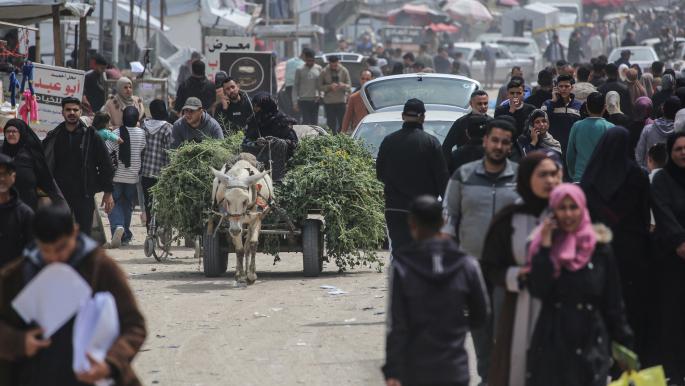
In March, Gaza recorded a significant decrease in the number of commercial and humanitarian trucks entering through the Kerem Shalom crossing, the only crossing designated for goods into the region. This decline comes at a time when the residents of Gaza are suffering from difficult economic conditions, as prices have risen markedly due to this supply shortage.
Reports indicate that the number of trucks that entered Gaza last month was much lower than usual rates, negatively impacting the availability of essential goods. Traders and citizens have expressed their concerns about this situation, as obtaining food and daily necessities has become increasingly difficult.
Details of the Situation
According to official data, the number of trucks entering Gaza has decreased by as much as 30% compared to previous months. This decline is attributed to several factors, including restrictions on the movement of goods due to security and political conditions, in addition to the economic crises affecting the region.
The rising costs of transportation and shipping due to current global conditions have also contributed to worsening the crisis, leading to a significant increase in prices. Traders have noted that some goods have seen price increases exceeding 20%, further intensifying the suffering of the population.
Background & Context
This decline in the number of trucks entering Gaza occurs within a complex historical context, as the region has been under a continuous blockade for more than 15 years. These conditions have led to a significant deterioration of the economic and social situation, with more than 70% of Gaza's population living below the poverty line.
Historically, the Kerem Shalom crossing has been the main artery for bringing goods into Gaza, but political and economic tensions have reduced truck movement, affecting all aspects of daily life for the residents.
Impact & Consequences
The effects of the decline in truck arrivals to Gaza extend beyond the economic sphere, impacting public health, education, and essential services. With rising prices, residents are struggling to secure their basic needs, increasing psychological and social pressures.
This situation may also exacerbate humanitarian crises, as many families rely on humanitarian aid that may also be affected by supply shortages. Relief organizations have warned that the situation could worsen if these trends continue.
Regional Significance
The Gaza crisis is part of a larger picture reflecting the challenges faced by many Arab countries amid economic and political crises. The decline in supplies and rising prices in Gaza could have indirect effects on neighboring countries, potentially leading to increased refugee flows or worsening humanitarian crises in the region.
Moreover, the situation in Gaza highlights the urgent need for comprehensive political and economic solutions from the international community to ensure improved living conditions for the population and achieve stability in the region.