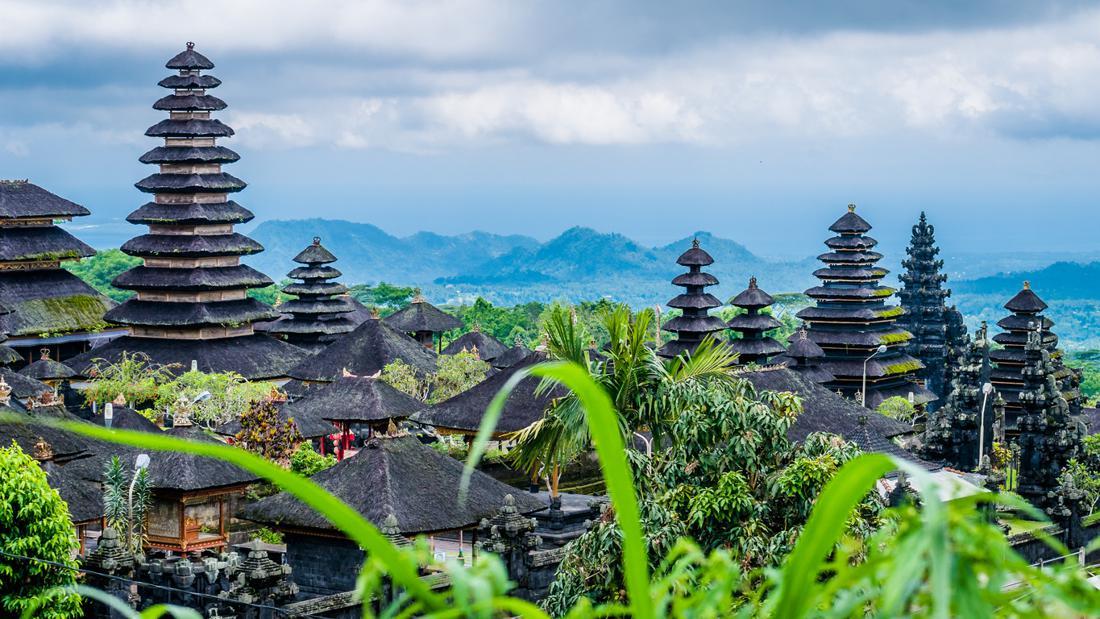
The city of Solo in Indonesia witnessed a notable increase in the number of tourists during the Eid al-Adha holiday in 2026, with visitor numbers reaching 345,000, reflecting a 4.5% increase compared to the previous year. This rise in tourist numbers comes at a time when the tourism sector is striving to recover after facing challenges in recent years.
Solo is considered one of the distinctive tourist destinations in Indonesia, combining traditional culture with stunning nature. Cultural events and festivals held during the holiday period have contributed to attracting more visitors, highlighting the importance of tourism in supporting the local economy.
Event Details
According to reports, the increase in tourist numbers is attributed to several factors, including improvements in tourism infrastructure and increased awareness of the importance of cultural tourism. Additionally, the diverse recreational activities organized during the holiday, such as artistic performances and local markets, have attracted families and visitors from various regions.
This increase in tourist numbers is a positive indicator of the recovery of tourism in Indonesia, as the government aims to enhance this sector as part of its economic strategy. Officials have noted that this success reflects the efforts made in promoting tourist destinations and improving services provided to tourists.
Background & Context
Historically, Indonesia, like many countries, has faced negative impacts due to the COVID-19 pandemic, which significantly reduced the number of tourists. However, the country has gradually begun to restore its tourism activity by implementing strict health measures and offering incentives to tourists. Solo, also known as the "City of Culture," is one of the cities that was heavily affected, but it is now witnessing a remarkable recovery.
The Indonesian government is keen to promote both domestic and international tourism, viewing tourism as one of the main sources of national revenue. Substantial budgets have been allocated to improve tourism infrastructure and develop cultural programs to attract more visitors.
Impact & Consequences
The increase in tourists to Solo is an indicator of the government's successful strategies in promoting tourism. This success may lead to increased investments in the tourism sector, contributing to the creation of new job opportunities and improving the living standards of local residents. Furthermore, an increase in tourist numbers also means higher local revenues, which helps in the development of public services and infrastructure.
Moreover, this recovery in tourism may encourage enhanced cooperation between the public and private sectors, contributing to the development of new projects that enhance visitor experiences and increase the city's attractiveness as a tourist destination.
Regional Significance
Considering tourism as a vital sector, the increase in tourists to Solo may have positive implications for tourism in Arab countries as well. With the growing interest in cultural tourism, Arab nations can benefit from successful experiences in Indonesia to enhance both domestic and international tourism.
Furthermore, boosting tourism in Indonesia can serve as a model for Arab countries seeking to develop this sector, thereby enhancing tourism cooperation between nations and increasing cultural exchange.
The increase in the number of tourists to the city of Solo during Eid al-Adha 2026 reflects the success of efforts made to promote tourism, opening new horizons for economic and social development in the region.